Expert articles, design standards, and technical guides on VPI, Cast Resin, Power, and Distribution Transformers.
Learn how our type-tested transformers deliver high efficiency and safety across industrial grid networks.
Best practices for selection, installation, and operation of fire-safe, maintenance-free transformers.
China Top Hermetically Sealed Oil Filled Transformer Price? This question sounds simple, but the answer depends on technical details. A 1,000 kVA unit may cost far less than a 2,500 kVA model. Voltage ratio, insulation level, cooling design, enclosure material, and testing requirements change the quotation quickly. So does the destination.
Transformer specialist John J. Winders offers a useful purchasing principle: “A transformer must be selected for the system it serves, not merely for its nameplate price.” That advice matters when comparing Chinese manufacturers. A low quotation may exclude routine factory tests, export packaging, spare parts, or installation support. Check the details.
A Hermetically Sealed Oil Filled Transformer uses a sealed tank to limit oil contact with air. This design can reduce moisture entry and oxidation. Picture a dry substation room, a compact tank, and fewer maintenance points. However, performance still depends on manufacturing quality, sealing reliability, and correct loading.
This guide will examine realistic China price ranges without pretending that one figure fits every project. It will compare copper and aluminum windings, transformer capacity, delivery terms, certification, and after-sales service. Buyers should request a complete technical offer, not a sales-sheet headline. A factory visit, independent inspection, or witnessed test can reveal important differences.
Pricing remains imperfect. Exchange rates move. Steel and copper costs change. Some online figures may be outdated or incomplete. That uncertainty is worth acknowledging. A dependable decision balances purchase cost, efficiency losses, service life, and operational risk. The cheapest transformer may not be the lowest-cost transformer.
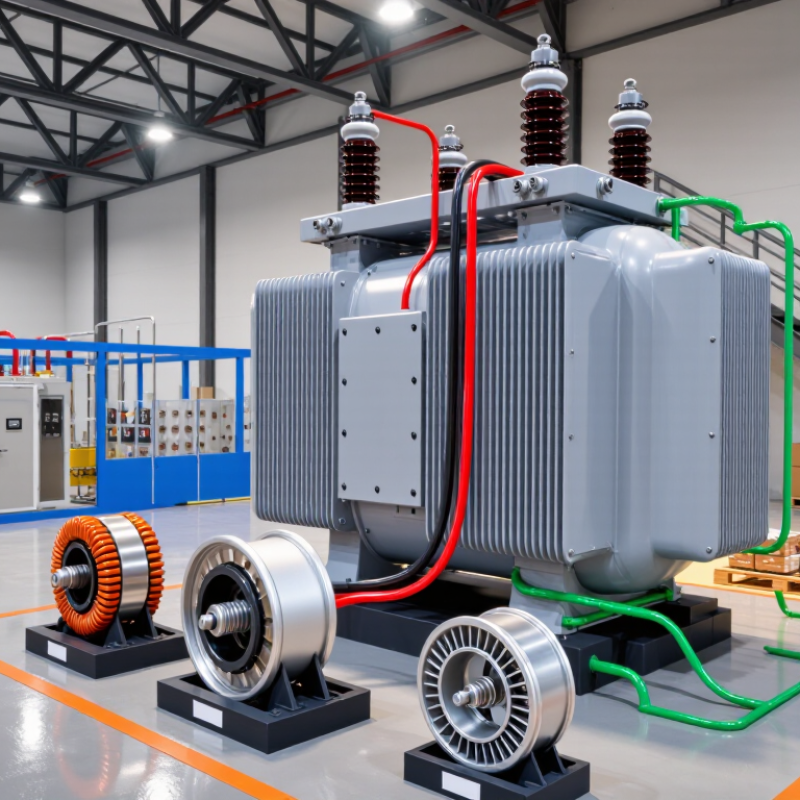
Hermetically sealed oil-filled transformers use a sealed tank to isolate insulating oil from outside air. The tank contains the core, windings, and oil under controlled conditions. Unlike conventional conservator designs, the oil has no direct contact with atmospheric moisture or oxygen. That detail matters. Moisture can weaken insulation and accelerate paper aging.
During operation, electrical losses heat the windings and core. The oil absorbs this heat and circulates naturally through convection. Heated oil moves upward, while cooler oil returns downward. The sealed tank expands slightly through a flexible membrane or pressure-relief system. IEC 60076-1 defines key transformer requirements, while IEC 60076-7 explains thermal aging and loading behavior. The U.S. Department of Energy’s 2024 distribution-transformer analysis also separates no-load losses from load losses, which strongly affects lifetime energy costs and purchase decisions. Price is not only a factory quotation.
Tips: Check rated power, voltage ratio, cooling class, oil volume, and guaranteed losses. Ask for routine test records. A low price can hide higher annual losses. I have seen specifications that looked efficient but lacked clear temperature-rise data. That deserves a second review. Installation altitude and ambient temperature also change performance. A simple comparison sheet helps buyers judge the real cost over twenty years, not merely the initial purchase price.
China-made hermetically sealed transformers are usually specified by capacity, voltage, losses, and enclosure design. Common distribution ratings range from 50 kVA to 2,500 kVA. Primary voltages often cover 6 kV, 10 kV, and 35 kV systems. Secondary output may be 400 V or another project-specific value. Price follows specification.
The sealed tank removes the conservator and limits oil contact with air. This can reduce moisture ingress and oxidation during service. IEC 60076 remains a key reference for transformer design and testing. Typical requirements include insulation resistance, induced-voltage testing, temperature-rise verification, and leak testing. Many projects select a 65 K winding temperature-rise limit, though the final value depends on the design and contract. Dyn11 vector grouping is common in distribution networks, but it should never be assumed without checking the system study.
According to the IEA Electricity 2024 report, global electricity demand is expected to grow by more than 4% annually from 2024 to 2026. That growth increases pressure on compact, reliable distribution equipment.
Buyers should compare no-load loss, load loss, impedance, noise, oil volume, and corrosion protection. Factory routine-test records matter. So does a witnessed acceptance test.
One detail is easy to miss: lower purchase price may hide higher lifetime losses. I would also question unclear temperature data. A quotation without tolerances is incomplete.
When buyers search for China top hermetically sealed oil filled transformer prices, they often expect one fixed number. The market does not work that way. Price begins with rated capacity, voltage class, frequency, and installation conditions. A compact 630 kVA unit may cost far less than a customized 2500 kVA model with higher insulation requirements. Copper changes everything. Aluminum windings can reduce the initial quotation, but efficiency and lifecycle losses deserve careful review.
Core steel quality, tank thickness, sealing materials, and oil volume also affect the quotation. Hermetically sealed designs need reliable welding and pressure control. Small details matter. A dependable supplier should provide routine test records, temperature-rise results, insulation data, and clear drawings. Certifications may increase the purchase cost, especially for export projects. However, missing documents can create delays during inspection or installation.
Accessories influence the final price more than many buyers expect. Cable boxes, surge arresters, protection relays, cooling fans, wheels, and monitoring devices all add cost. Freight distance, packaging, insurance, customs requirements, and delivery schedules must be calculated separately. A low factory price may become expensive after transport and site work. I have seen quotations that looked attractive but excluded testing and spare parts. That comparison was incomplete. Buyers should request the same technical specification from several manufacturers and check warranty terms carefully. A realistic budget includes maintenance access, oil sampling, and possible voltage adjustments. Quotation errors happen. Careful review remains necessary.
Indicative China factory price ranges by transformer capacity, excluding taxes, freight, installation, and customized accessories.
Transformer prices generally increase with rated capacity because of higher copper, electrical steel, insulating oil, tank, testing, and protection-system requirements. Final quotations are also influenced by voltage ratio, efficiency class, temperature-rise limits, enclosure design, compliance testing, order quantity, and delivery terms.
Hermetically sealed oil-filled transformer prices in China vary sharply with capacity. In recent sourcing checks, a 50–160 kVA unit may cost 2,800–6,500 USD. A 200–630 kVA model often reaches 6,000–15,000 USD. Larger 800–2,500 kVA equipment can exceed 15,000–42,000 USD. These are indicative ex-works ranges, not fixed quotations. Copper prices, testing requirements, and delivery terms can change the final figure.
Voltage also affects the price. A 10 kV primary rating usually provides a practical baseline for distribution projects. Moving to 20 kV or 35 kV may add roughly 8–20 percent because of insulation distance, bushings, and factory testing. The gap is real. A 35 kV transformer needs careful coordination with the local grid design. I would not compare voltage alone without checking impulse level and tap range.
Configuration creates another price difference. A standard two-winding unit with off-circuit taps is usually economical. Automatic tap changers, dual-voltage windings, stainless-steel tanks, surge accessories, or low-loss cores increase the quotation. A 630 kVA, 10 kV transformer with common accessories might sit near 10,000 USD, while a customized version can rise considerably. Ask for loss data, temperature-rise results, routine test reports, oil specifications, and warranty terms. Small omissions matter. One purchasing mistake is comparing a bare transformer with a package including protection, transport, and commissioning.
China Top Hermetically Sealed Oil Filled Transformer Price?
A low quotation rarely shows the real purchase cost. Evaluate the complete supply package, not only the transformer price. Request clear details for rated capacity, voltage ratio, frequency, impedance, losses, cooling method, and enclosure materials. Hermetically sealed designs also require reliable tank welding, pressure protection, oil quality, and leak testing.
Compare at least three Chinese suppliers using the same technical specification. Check their manufacturing experience, production capacity, quality records, and export documentation. Ask for routine and type-test reports from qualified laboratories. A factory video is useful, but it is not enough. An on-site audit or independent inspection can reveal welding defects, poor storage conditions, and weak testing procedures.
Inspect the quotation line by line. Include packaging, inland transport, port charges, ocean freight, insurance, customs duties, installation tools, spare parts, and commissioning support. Confirm the delivery term and responsibility for damage. Warranty length matters, but response time matters more. Ask how defects are handled and where replacement parts are stocked.
I once compared two offers and focused too heavily on the lower factory price. Freight and protective packaging later changed the calculation. That mistake was avoidable. Also estimate lifetime costs, including oil maintenance, no-load losses, load losses, and downtime risks. Ask for payment milestones linked to inspection results. A slightly higher price may be reasonable when testing, traceability, and technical support are stronger. But never accept vague promises. Get every important condition in writing.
It has a sealed tank containing the core, windings, and insulating oil. The oil stays isolated from outside air. This reduces moisture and oxygen exposure. Moisture is a quiet enemy.
Electrical losses heat the core and windings. Hot oil rises naturally inside the tank. Cooler oil moves downward. This convection cycle continues without a separate pump.
A 50–160 kVA unit may cost about 2,800–6,500 USD. A 200–630 kVA unit may cost about 6,000–15,000 USD. These are indicative factory ranges, not fixed offers.
Higher voltage usually increases insulation, bushing, and testing costs. Moving from 10 kV to 20 kV or 35 kV may add 8–20 percent. Check impulse levels and tap ranges too.
A two-winding transformer with off-circuit taps is commonly economical. Automatic tap changers and dual-voltage windings cost more. Stainless-steel tanks and low-loss cores also raise prices.
Request capacity, voltage ratio, frequency, impedance, losses, cooling class, and oil volume. Ask for temperature-rise data and routine test records. Vague specifications need another review.
Give at least three suppliers the same technical specification. Review manufacturing experience, export documents, quality records, and test reports. A factory video helps, but it proves little alone.
Check packaging, inland transport, freight, insurance, duties, tools, spare parts, and commissioning. Confirm delivery responsibilities in writing. A low factory price can become expensive later.
No-load losses and load losses affect energy costs for many years. Include oil maintenance, downtime, and replacement risks. I once trusted the lower quotation too quickly. Freight changed everything.
A Hermetically Sealed Oil Filled Transformer is a distribution transformer designed to keep its insulating oil fully isolated from outside air. This sealed structure helps reduce moisture and oxidation, supports stable insulation performance, and lowers routine maintenance requirements. China-made models are available in various capacities, voltage levels, cooling methods, enclosure designs, and protection configurations to meet different industrial, commercial, and utility applications.
The price of a Hermetically Sealed Oil Filled Transformer in China depends on rated capacity, primary and secondary voltage, core and winding materials, insulation grade, temperature-rise limits, accessories, testing requirements, and order quantity. Larger capacities and customized configurations generally result in higher costs. Buyers should compare technical specifications, manufacturing quality, efficiency, safety testing, delivery terms, warranty coverage, after-sales support, and transportation expenses rather than focusing only on the initial quotation. Evaluating the complete purchase cost helps ensure a reliable transformer solution that balances performance, service life, and budget.