Blog
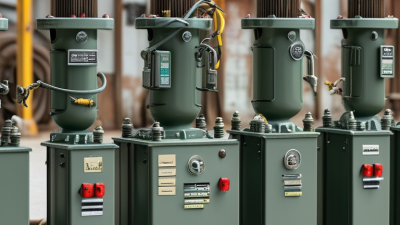
Top Neutral Grounding Transformer Suppliers and Prices
Choosing the right Neutral Grounding Transformer requires more than comparing a few online prices. Industrial buyers must examine voltage ratings, grounding methods, fault-current capacity, insulation levels, enclosure design, and local installation requirements. A transformer that looks inexpensive may need costly accessories, engineering changes, or longer commissioning support.
This guide introduces leading Neutral Grounding Transformer suppliers and explains how their pricing is commonly structured. It considers manufacturers with documented testing procedures, practical field experience, responsive technical teams, and established quality systems. Supplier reputation matters, but it is not the whole answer. A well-known brand may still offer an unsuitable configuration for a specific substation.
Prices can vary widely. Rating, neutral resistor integration, cooling method, protection devices, shipping distance, and certification requirements all influence the final quotation. Some suppliers publish estimated prices, while others provide confidential, project-based offers. That limitation matters.
A careful comparison should request complete technical schedules, routine test reports, delivery terms, warranty coverage, and after-sales assistance. Ask about spare parts, inspection access, and replacement lead times. Small details become important during a fault event.
Real projects are rarely identical. A compact transformer for a medium-voltage facility cannot be judged against a high-capacity utility unit. Buyers should confirm assumptions with qualified electrical engineers and request comparable specifications from every supplier. The cheapest offer may not be the lowest lifecycle cost. Sometimes, the quotation is simply incomplete.
Read more »
 By:Evelyn
- September 15, 2026
By:Evelyn
- September 15, 2026
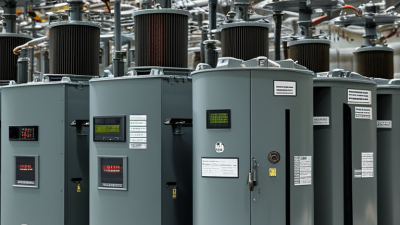
How to Choose a Cast Resin Dry Type Transformer?
Choosing a Cast Resin Dry Type Transformer is not simply a matter of comparing catalog ratings. The correct decision begins with the electrical system, the building environment, and the people responsible for maintenance. A transformer may appear efficient in a quiet factory test, yet perform differently beside variable-speed drives, dust, heat, or restricted ventilation. Small details matter.
Transformer specialist Michael Heathcote has often emphasized a practical principle: “A transformer must be judged in the system, not in isolation.” This view remains valuable when reviewing cast resin designs. Engineers should examine rated power, primary and secondary voltages, insulation level, impedance, temperature rise, noise, losses, and short-circuit strength. Harmonic currents also deserve attention. They can increase heating and reduce expected service life.
This guide explains how to choose a Cast Resin Dry Type Transformer with evidence rather than attractive claims. It considers load patterns, indoor installation, fire-risk expectations, cooling conditions, maintenance access, and applicable technical standards. Manufacturer test reports should support the stated performance. Independent engineering review is wise for hospitals, data centers, transport facilities, and other critical sites.
There is no perfect selection.
A larger transformer may offer useful reserve capacity, but it can raise purchase cost and no-load losses. A compact unit may fit the room, yet leave little space for future expansion. Sometimes the original specification is the problem. Careful questioning can expose it. The following outline provides a practical path from site assessment to supplier evaluation, helping readers balance safety, reliability, efficiency, and lifecycle value.
Read more »
 By:Ethan
- September 15, 2026
By:Ethan
- September 15, 2026
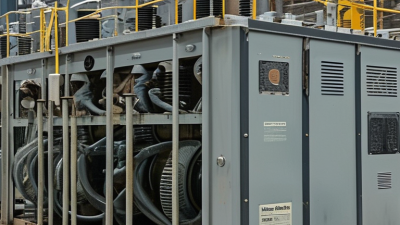
Top Vacuum Pressure Impregnated Transformer Manufacturers?
Choosing among the top Vacuum Pressure Impregnated Transformer manufacturers requires more than comparing catalog ratings. It requires field judgment. A reliable unit must withstand heat, vibration, moisture, and repeated electrical stress. Its resin system should penetrate winding spaces evenly. Its insulation should remain stable after years of thermal cycling.
Dr. Thomas A. Prevost, a recognized transformer diagnostics specialist, has said, “Transformer reliability depends on understanding how insulation behaves throughout its service life.” That principle guides this overview. Manufacturer reputation matters, but it never tells the whole story. Factory testing, resin quality, winding design, curing control, and after-sales support deserve equal attention. A polished brochure cannot replace verified test records.
Look closely at practical details. Ask whether the supplier performs partial-discharge testing. Check how it controls voids around conductors. Examine temperature-rise data, enclosure protection, and documented standards compliance. Site conditions also matter. A transformer installed beside a dusty production line faces different risks from one serving a clean commercial building.
The strongest manufacturers combine engineering depth with consistent production discipline. Some are excellent in custom industrial systems. Others offer stronger global service networks. A few appear impressive but provide limited technical evidence. That should raise questions.
This guide compares leading manufacturers through performance, application experience, quality systems, and customer support. The assessment is not perfect. Real-world reliability can vary between factories, projects, and operating environments. Readers should verify current certifications, references, and test documentation before making a purchase.
Read more »
By:Evelyn
- September 15, 2026