Expert articles, design standards, and technical guides on VPI, Cast Resin, Power, and Distribution Transformers.
Learn how our type-tested transformers deliver high efficiency and safety across industrial grid networks.
Best practices for selection, installation, and operation of fire-safe, maintenance-free transformers.
Choosing among the 10 Best Electrical Power Substation Manufacturers requires more than comparing brand visibility or product catalogs. A substation controls voltage, protects equipment, and connects generation with communities, factories, and transport networks. Its performance depends on transformers, switchgear, protection relays, control systems, cybersecurity, testing, and long-term field support. Small design decisions matter. A weak relay setting can delay fault isolation. Poor ventilation can shorten transformer life.
John D. McDonald, an IEEE Fellow and recognized substation engineering authority, has said, “The substation is the most critical component of the electric power system.” That perspective shapes this review. The leading manufacturers are assessed through engineering experience, manufacturing capacity, product reliability, grid compatibility, innovation, maintenance support, and compliance with recognized international standards. Their ability to deliver AIS, GIS, digital substations, mobile substations, and renewable-energy connections also deserves attention.
Still, no ranking is perfect. A global company may offer excellent technology but limited local service. A regional manufacturer may understand operating conditions better but lack large-project capacity. Price can look attractive until spare parts, training, and outage costs appear. These practical differences are easy to miss. Therefore, this guide considers both published capabilities and real operational value. It also recognizes an uncomfortable point: impressive specifications do not guarantee dependable performance. Buyers should verify references, factory testing, lifecycle data, and after-sales commitments before making a final decision. Reliability is built over years, not promised in a brochure.
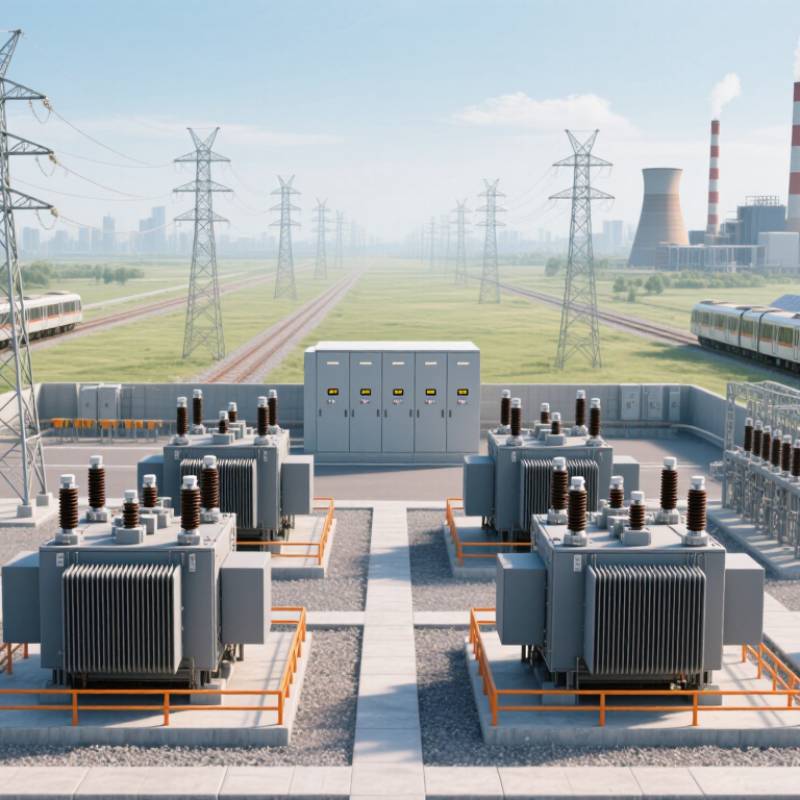
An electrical power substation manufacturer designs and builds the equipment that controls, protects, and distributes electricity. This work extends beyond producing steel cabinets or transformers. It includes electrical engineering, enclosure design, protection systems, control panels, busbars, and monitoring equipment. The manufacturer converts grid requirements into a working substation package.
A reliable manufacturer studies voltage levels, fault currents, soil conditions, climate, and available installation space. Engineers select insulation, cooling methods, switching devices, and protective relays based on measured risks. Factory teams then assemble components, label every circuit, and perform insulation, wiring, and functional tests. Test records matter. They help operators verify performance before energizing the site.
Experience becomes visible in small details. Cable entries resist water. Doors open safely in winter. Labels remain readable after years of heat and dust. A manufacturer should also provide drawings, maintenance instructions, spare-parts guidance, and technical support during commissioning. Compliance with applicable electrical standards must be documented, not merely claimed.
No design is perfect. A model may underestimate future load growth or overlook difficult access for maintenance. That is why experienced teams review assumptions with utilities, contractors, and site operators. Independent inspection can expose mistakes before they become expensive failures. Manufacturers should welcome that scrutiny, even when it slows delivery. Reliability is built through disciplined testing, honest communication, and careful correction.
10 Best Electrical Power Substation Manufacturers?
How the Top Substation Manufacturers Are Evaluated
A strong evaluation begins with field performance, not advertising claims. Buyers should examine transformer efficiency, switchgear endurance, protection accuracy, and proven uptime. Factory testing must include temperature rise, insulation resistance, short-circuit capability, and control-system integration. IEC 62271 and IEC 60076 compliance provide useful technical benchmarks. Yet certification alone is not enough. A supplier’s failure records, maintenance response, spare-parts access, and commissioning experience matter more during a real outage.
Grid pressure is increasing. The International Energy Agency’s Electricity 2024 report expects global electricity demand to grow by about 3.4% annually through 2026. Its World Energy Outlook 2024 also estimates that more than 80 million kilometres of grids may require new construction or refurbishment by 2040. Therefore, manufacturers should demonstrate scalable designs, digital monitoring, cybersecurity controls, and practical expansion plans. Sensors that identify overheating or partial discharge can reduce surprise failures. Data quality still varies.
Cost evaluation must include the full asset life. Procurement teams should compare energy losses, inspection hours, replacement intervals, environmental performance, and training requirements. Independent test results deserve greater weight than polished case studies. The evaluation should also check local service capacity, because a technically excellent substation can remain unavailable when specialists are distant. No ranking is perfect. Site conditions, network voltage, climate, and operator skill can change the result. That weakness should remain visible.
The strongest substation manufacturers usually begin with field evidence, not polished brochures. A utility-scale switchgear specialist earns trust through accurate fault ratings and stable delivery. A gas-insulated equipment producer focuses on compact designs for crowded urban sites. One transformer manufacturer stands out through low-loss cores, tested insulation, and clear thermal data. Another serves renewable projects with flexible protection systems and fast commissioning support. These profiles reflect practical strengths rather than popularity alone.
A digital substation manufacturer combines intelligent relays, secure communications, and detailed event records. A high-voltage equipment maker is judged by factory testing, seismic design, and long service intervals. A modular substation producer reduces construction time with factory-assembled units.
A distribution specialist supports rural networks with simpler maintenance and accessible spare parts. One manufacturer specializes in mobile substations, helping utilities restore service after storms or equipment failures. Another focuses on customized engineering for mining, transport, and industrial facilities.
Reliable manufacturers document every critical decision. They provide test certificates, installation guidance, protection settings, and training for operators. Independent audits and witnessed factory acceptance tests strengthen their authority. I would also examine warranty terms and response times after energization. Some product comparisons remain imperfect because published efficiency figures use different test conditions. That matters. Site conditions, climate, grid codes, and maintenance skills can change the final result. A strong supplier accepts those questions and revises its design when field evidence exposes a weakness.
Leading electrical power substation manufacturers combine proven engineering with practical field experience. Their core work includes power transformers, switchgear, busbars, protection relays, and control panels. Modern facilities increasingly use gas-insulated equipment where land is limited. Air-insulated designs remain useful for spacious sites and easier visual inspection. Digital substations connect intelligent devices through IEC 61850, improving data exchange and reducing copper wiring. Safety remains visible in interlocks, grounding systems, fire protection, and clear maintenance access.
Manufacturers also provide complete services, not only equipment. They survey the site, calculate fault levels, develop protection settings, and coordinate civil interfaces. Factory acceptance testing can verify wiring, relay logic, insulation performance, and alarm sequences before shipment. On site, experienced teams handle installation, commissioning, energization, and operator training. Remote monitoring may track transformer oil temperature, dissolved gases, partial discharge, and breaker travel times. These measurements help maintenance teams act before a failure becomes an outage.
Reliable suppliers document every test and provide spare-parts plans, maintenance schedules, and emergency support. Cybersecurity deserves equal attention, including access control, network separation, secure updates, and event logging. No design is perfect. A low-cost choice may create higher service demands later. Engineers should question assumptions, review real operating data, and test abnormal conditions. Even a polished digital dashboard cannot replace a correctly tightened connection or a careful field inspection. That lesson is easy to forget.
The chart shows commonly deployed substation technology and service areas, including protection, automation, communications, asset monitoring, engineering, and lifecycle support. Voltage values represent widely used nominal substation levels in transmission and distribution networks.
Choosing the right electrical power substation manufacturer begins with your project conditions, not a sales brochure.
Define voltage levels, load capacity, fault ratings, climate, site access, and expansion plans. A reliable manufacturer should explain how its design handles heat, humidity, dust, flooding, and transport limitations. Ask for certified test reports, factory inspection records, and drawings that match your specifications.
Ask for evidence.
Technical compliance matters, but practical experience matters too. Review similar installations by capacity, environment, and commissioning difficulty. Speak with former clients about delivery accuracy, documentation, troubleshooting, and response time after energization.
Confirm whether the manufacturer provides protection coordination, relay settings, operator training, spare parts, and maintenance support. Details matter. A low purchase price can become expensive when replacement components require long international shipping.
Evaluate the engineering process carefully. The supplier should identify risks before fabrication and explain changes in clear, traceable documents. Check manufacturing quality controls, routine testing, component traceability, and inspection access.
Cybersecurity and remote monitoring also deserve attention, especially when substations connect to wider control systems. A polished brochure is not proof. Even experienced project teams can overlook drainage, cable bending space, or future feeder capacity.
I would request a factory acceptance test plan early, then compare every promise against measurable acceptance criteria. Some decisions still involve judgment, particularly when schedules, budgets, and technical preferences conflict. That uncertainty should be documented, not hidden.
It designs, builds, tests, and supports equipment that controls, protects, and distributes electricity. A complete package may include transformers, switchgear, control panels, busbars, relays, and monitoring devices.
They should study voltage, fault current, soil, climate, available space, and future load growth. A dusty site may need stronger enclosure protection. Small assumptions can become expensive later.
Factory testing should cover insulation resistance, wiring, temperature rise, short-circuit performance, and control-system integration. Functional tests should confirm that protection devices respond correctly. Test records are essential.
Water-resistant cable entries can prevent moisture damage. Doors should open safely during cold weather. Labels must remain readable after years of heat and dust. These details seem minor. They are not.
Buyers should examine field performance, failure records, maintenance response, spare-parts access, and commissioning experience. Advertising claims are not enough. Independent inspection can reveal hidden problems.
No. Certification provides useful evidence, but it cannot show every operating risk. Buyers should also review test results, service capacity, uptime, and previous project performance. Paperwork can look perfect.
Compare purchase price, energy losses, inspection time, replacement intervals, training, environmental performance, and maintenance support. A cheaper unit may cost more during years of operation.
Electricity demand is growing, and many grids require refurbishment or expansion. Sensors can detect overheating or partial discharge before a major failure. Data quality still varies. Digital systems need careful review.
The supplier should provide drawings, maintenance instructions, spare-parts guidance, training, and commissioning assistance. Local specialists can reduce outage time. Distance matters during emergencies.
No ranking fits every project. Voltage, climate, access, network conditions, and operator skills can change the result. A design may also underestimate future demand. That weakness deserves attention.
An Electrical Power Substation manufacturer designs, engineers, and delivers the equipment and systems that transform, control, protect, and distribute electrical energy safely and efficiently. This overview explains how leading manufacturers are evaluated, including product quality, engineering expertise, safety standards, innovation, customization capabilities, project experience, delivery performance, and after-sales support. It also presents profiles of ten leading types of manufacturers without focusing on brand names, helping readers understand the strengths and specialties commonly found across the industry.
The article further examines key technologies and services, such as power transformers, switchgear, protection systems, automation, monitoring solutions, digital control platforms, installation, testing, and maintenance. Finally, it provides practical guidance for selecting the right manufacturer by considering project capacity, voltage requirements, environmental conditions, regulatory compliance, lifecycle costs, technical support, and long-term reliability. These factors can help utilities, industrial organizations, and infrastructure developers make informed decisions for secure and dependable power distribution.