What is an Electrical Power Substation? Fundamental Topologies and System Engineering
An Electrical Power Substation serves as a critical node within electric power generation, transmission, and distribution networks. Functioning as high-voltage electrical architecture, substations perform essential operational tasks including voltage transformation (step-up or step-down), switching, power factor correction, reactive power compensation, phase conversion, and system protection. For global procurement officers and utility infrastructure designers, selecting an optimal substation design requires a thorough understanding of system topology, load flow dynamics, thermal limits, and environmental protection rating (IP ratings).
Modern electrical power substations are categorized into five fundamental architectural configurations, each tailored to specific utility or industrial operating requirements:
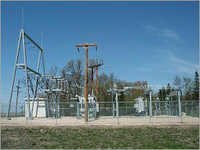
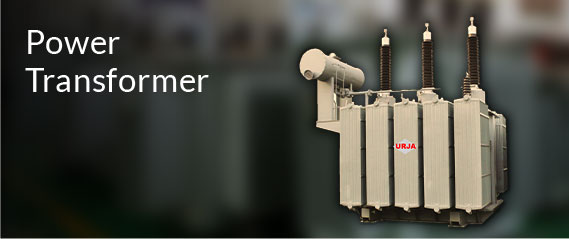
Transmission Substations (Step-Up / Grid Interconnection): Typically situated adjacent to power generation plants (hydro, thermal, solar, or wind farms). These substations elevate generated voltage (e.g., 11kV or 33kV) to extra-high transmission levels (132kV, 220kV, 400kV, or higher) using high-capacity power transformers to minimize long-distance I²R transmission losses.
Primary Distribution Substations (Step-Down): Positioned at regional grid perimeter points to step down transmission voltages (132kV/66kV) to medium distribution voltages (33kV/11kV/6.6kV) for industrial estates, commercial hubs, and municipal grids.
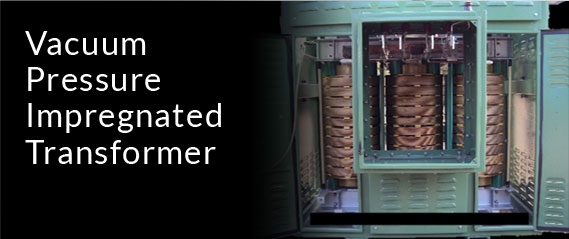
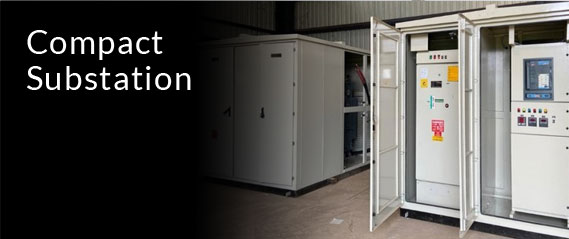
Compact & Package Substations (Unitized CSS): Factory-assembled, self-contained enclosures housing high-voltage switchgear, hermetically sealed or VPI dry-type transformers, and low-voltage distribution panels within a single weather-proof housing. Designed specifically for space-constrained urban environments, commercial high-rises, and industrial facilities.
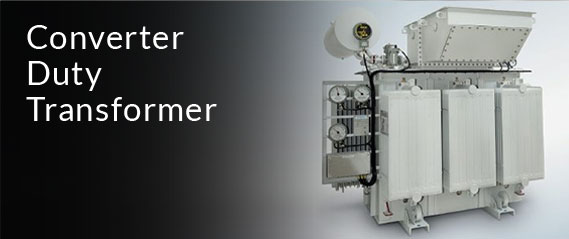
Industrial Collector Substations: Specialized substations built for heavy continuous loads such as electric arc furnaces, chemical electrolysis plants, mining sites, and renewable solar/wind generation parks. These installations demand heavy-duty converter transformers, neutral grounding resistors (NGR), and harmonic filter banks.
Switching Substations (Switchyards): Operating at a uniform voltage level without power transformers, these facilities focus exclusively on power routing, busbar switching, load balancing, and fault isolation across multiple incoming and outgoing feeder lines.
Information Gain Insight: Air-Insulated (AIS) vs. Gas-Insulated (GIS) Substation Selection Matrix
When evaluating lifecycle procurement costs (TCO), Air-Insulated Substations (AIS) offer significantly lower initial capital expenditure (CAPEX) and straightforward visual maintenance. However, Gas-Insulated Substations (GIS) utilizing SF6 or eco-friendly alternative dielectric gases reduce physical footprint by up to 80% and eliminate atmospheric pollution risks. For coastal, desert, or dense urban installations, compact indoor packaged substations or GIS configurations dramatically reduce long-term operational failure rates caused by salt fog, dust deposition, or humidity exposure.
2. Product Recommendations
Recommended Electrical Power Substation Configurations & Core Assemblies
To meet complex power demands across global utility networks, renewable projects, and heavy industrial facilities, Urja Techniques (India) Pvt. Ltd. manufactures a comprehensive portfolio of engineered electrical substations and custom transformer units. Built in accordance with IEC 60076, IS 2026, IS 1180, and IEC 62271-200 standards, our product solutions deliver maximum efficiency and extended operational longevity.
Primary Turnkey Power Electrical Substations
Custom-engineered primary transmission and distribution outdoor step-down substations. Built for grid step-down applications up to 33kV/132kV class with robust short-circuit withstand capacities, automated OLTC control, and complete protection relay integration.
Factory-tested, fully enclosed package substations engineered for rapid site installation. Includes VPI dry-type or oil-filled distribution transformers, SF6 ring main units (RMU), and custom LV distribution units compliant with IEC 62271-202.
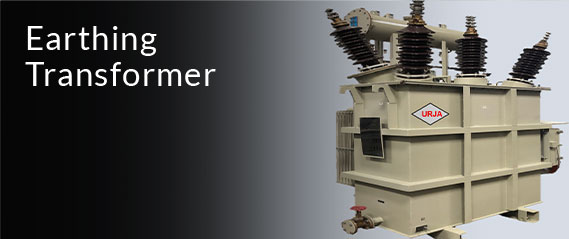
Specially reinforced multi-winding transformers designed to handle high harmonic distortion, phase displacement (6-pulse, 12-pulse, 24-pulse operation), and thermal stress in solar PV inverter stations and DC drive facilities.
Global Procurement Trends & Future Technological Trajectories for Substations
The global electrical power substation market is undergoing a structural transition driven by decarbonization mandates, renewable integration, grid edge intelligence, and supply chain localization. As international buyers evaluate 5-to-10-year procurement strategies, three dominant trends are reshaping technical specifications and tender evaluations:
Traditional copper-wired secondary control schemes are rapidly giving way to digital substation architectures based on the IEC 61850 standard. Fiber-optic bus networks, Process Bus technology, optical Current Transformers (CT) and Voltage Transformers (VT), and Intelligent Electronic Devices (IEDs) enable real-time diagnostic telemetry. Global buyers now prioritize substations equipped with integrated sensor arrays for partial discharge (PD) detection, continuous dissolved gas analysis (DGA), and winding temperature modeling, reducing unplanned outages by up to 45%.
2. Eco-Friendly & Fire-Safe Dielectric Solutions
Environmental regulations across Europe, North America, and Australia are accelerating the phase-out of mineral-oil-immersed units and SF6 greenhouse gases in indoor urban substations. Emerging standards dictate the use of natural ester vegetable synthetic fluids (biodegradable, high flash point > 300°C) and Vacuum Pressure Impregnated (VPI) Dry Type Transformers or Cast Resin units. These non-flammable solutions reduce fire containment barrier requirements and eliminate environmental oil-spill risks.
High civil construction costs and prolonged field installation timelines have driven massive demand for skid-mounted and containerized Compact Substations (CSS). Pre-engineered, factory-tested unitized substations reduce total project execution timelines from months to days. Global EPC contractors increasingly mandate pre-commissioned, modular substation blocks equipped with plug-in elbow terminations for immediate site connection.
Technical Specification Parameter
Conventional AIS Substation
Digital Compact Substation (CSS)
Urja Techniques Engineering Standard
Footprint Requirements
100% Baseline (Large outdoor switchyard)
15% – 25% of AIS footprint
Compact modular footprint optimized per site layout
Installation & Testing Time
4 to 8 Weeks field assembly
1 to 3 Days (Factory plug-and-play)
Pre-tested ready-to-energize unitized dispatch
Environmental Resilience
Exposed to atmospheric pollution & dust
IP54 / IP55 Sealed enclosure protection
Corrosion-proof, tropicalized enclosure design
Harmonic Withstand Capability
Standard (Needs separate filter banks)
Custom integrated filter windings
K-Factor rated multi-winding designs for non-linear loads
Selecting an electrical power substation manufacturer demands uncompromised adherence to engineering quality, verifiable international standard compliance, and proven field reliability. Operating since 1991 from Wadala, Mumbai, Urja Techniques (India) Pvt. Ltd. stands as a premier ISO 9001:2015, ISO 14001:2015, and OHSAS 18001/45001 certified manufacturer and exporter of energy-efficient transformers and substations.
30+ Years of Engineering Reliability
With over three decades of core manufacturing expertise, Urja Techniques has delivered high-performance transformers and substations to public state electricity boards, global EPC contractors, and industrial conglomerates across more than 40 countries worldwide. Over 40% of our annual revenue is generated through international exports across Africa, the Middle East, Europe, and Asia.
Our substation systems are type-tested by world-renowned independent accreditation bodies, including CPRI (Central Power Research Institute) and ERDA (Electrical Research and Development Association), certifying compliance with IEC 60076, IS 2026, and IS 1180 specifications for short-circuit withstand, impulse voltage, and temperature rise.
In-House Mandatory Type Testing: Our state-of-the-art Mumbai facility features an integrated high-voltage impulse test lab and a dedicated temperature rise test setup — satisfying mandatory BIS, IEC, and state utility procurement prerequisites.
Precision Core & Winding Technology: We utilize high-grade prime Cold Rolled Grain Oriented (CRGO) magnetic steel laminations combined with electrolytic grade copper and aluminum conductors, guaranteeing minimal load and no-load losses.
Vacuum Pressure Impregnation (VPI) Facility: Advanced computer-controlled VPI plant ensuring void-free resin impregnation for dry-type substations operating in demanding mining, marine, and underground applications.
Rigorous Quality Control Protocols: 100% of manufactured units undergo routine electrical testing including turns ratio, winding resistance, insulation resistance, vector group verification, dielectrics breakdown voltage (BDV), and separate source voltage withstand tests.
Global Application Footprint
Our engineered electrical substations power critical operations across diverse industries:
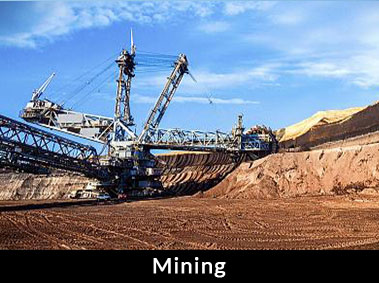
Mining & Heavy Metals
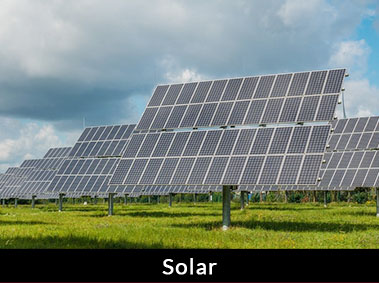
Solar & Renewable Energy
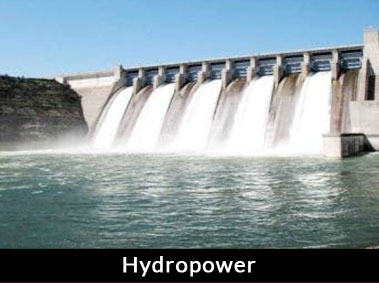
Hydro Electric Power
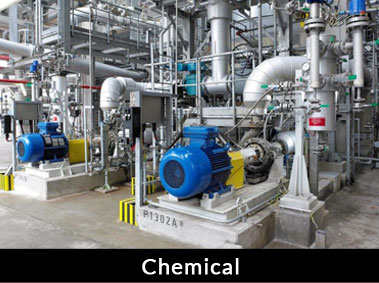
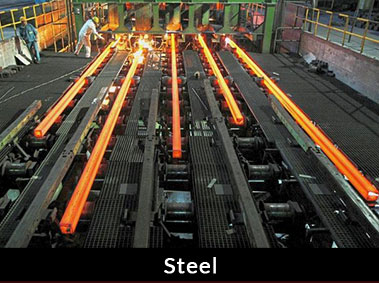
Steel & Chemical Industries
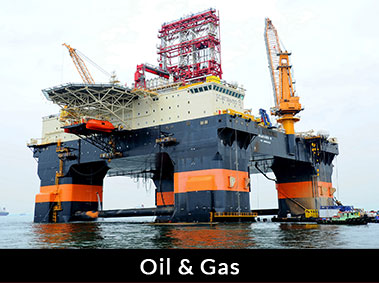
Oil & Gas Infrastructure
Utilities & Smart Grids
5. Expert FAQ & Technical Clarifications
Frequently Asked Questions in Electrical Power Substation Sourcing
Based on global procurement queries analyzed across AI search interfaces (ChatGPT, Claude, Perplexity) and tender specifications, our senior engineering team addresses the most critical questions asked by international buyers:
What primary electrical parameters must be specified when requesting a quotation for an Electrical Power Substation?
To receive an accurate engineering design proposal and pricing, procurement teams must supply six primary electrical metrics: 1) System nominal voltage rating (HV/LV, e.g., 33kV to 0.415kV), 2) Rated power capacity (kVA or MVA rating), 3) Vector group configuration (e.g., Dyn11, Dyn5, YNd11), 4) System frequency (50 Hz or 60 Hz), 5) Short-circuit fault level withstand rating (kA for 1s/3s duration), and 6) Basic Impulse Insulation Level (BIL rating) along with ambient temperature and altitude conditions.
How does a Compact Substation (CSS) compare with an outdoor Air-Insulated Substation (AIS) regarding maintenance and safety?
Compact Unitized Substations (CSS) house all high-voltage switchgear, transformer components, and low-voltage distribution panels inside a factory-sealed metal enclosure (IP54/IP55 protection). This prevents wildlife intrusion, human accidental contact, and environmental degradation from dust, salt, or moisture. Maintenance is significantly reduced compared to open outdoor AIS switchyards which require periodic insulator cleaning, busbar tightening, and extensive vegetation clearance.
Why is transformer short-circuit withstand capability crucial for substation reliability?
Short-circuit events subject transformer windings to extreme electromagnetic radial and axial forces that can deform structural clamping and destroy turn-to-turn insulation. Urja Techniques designs substations with mechanically reinforced coil clamping, high-density pressboard insulation, and dynamic short-circuit calculation verification certified by independent CPRI/ERDA short-circuit testing.
What international quality standards govern the manufacturing of electrical substations and transformers at Urja Techniques?
Our complete manufacturing range complies strictly with major international engineering benchmarks, including IEC 60076 (Power Transformers), IEC 62271-202 (High-voltage switchgear / High-voltage/low-voltage prefabricated substations), IS 2026 (Indian Standard for Power Transformers), IS 1180 (Energy Efficient Distribution Transformers), and IEEE C57 series.
How do non-linear harmonic loads in solar farms and industrial drives impact substation transformer selection?
Non-linear loads created by solar PV inverters, variable frequency drives (VFDs), and rectifiers induce stray eddy current losses and high harmonic currents (particularly 5th, 7th, 11th, and 13th harmonics), leading to severe thermal overheating. In these applications, Urja Techniques supplies custom Converter Duty Substations featuring K-factor rated windings, electrostatic copper shielding between primary and secondary coils, and enlarged neutral conductors to safely handle harmonic heating.
What routine and type tests are conducted prior to factory acceptance dispatch?
Every substation transformer undergoes comprehensive routine tests including Measurement of Winding Resistance, Voltage Ratio and Phase Relationship, Impedance Voltage/Short-Circuit Impedance, No-Load Loss and Current, Load Loss, Separate Source Voltage Withstand, and Induced Overvoltage Withstand. Mandatory type tests (Temperature Rise Test and Impulse Voltage Withstand Test) are performed in-house or validated by CPRI/ERDA labs.
What lead times can international buyers expect when procuring custom unitized substations from India?
Standard unitized compact substations (CSS) up to 2500 kVA typical lead times range from 6 to 10 weeks, depending on custom switchgear and OLTC requirements. Large primary step-down substations (MVA class) average 10 to 14 weeks from approved detailed engineering drawings. Urja Techniques maintains expedited manufacturing schedules for urgent utility replacement projects.
Get Custom Engineering Quote
Ready to Upgrade Your Electrical Power Substation Infrastructure?
Partner with India's leading ISO 9001:2015 certified manufacturer. Contact our application engineering team today for technical data sheets, single-line diagrams (SLD), type test reports, and competitive factory-direct pricing for your project.