Choosing the right Neutral Grounding Transformer requires more than comparing a few online prices. Industrial buyers must examine voltage ratings, grounding methods, fault-current capacity, insulation levels, enclosure design, and local installation requirements. A transformer that looks inexpensive may need costly accessories, engineering changes, or longer commissioning support.
This guide introduces leading Neutral Grounding Transformer suppliers and explains how their pricing is commonly structured. It considers manufacturers with documented testing procedures, practical field experience, responsive technical teams, and established quality systems. Supplier reputation matters, but it is not the whole answer. A well-known brand may still offer an unsuitable configuration for a specific substation.
Prices can vary widely. Rating, neutral resistor integration, cooling method, protection devices, shipping distance, and certification requirements all influence the final quotation. Some suppliers publish estimated prices, while others provide confidential, project-based offers. That limitation matters.
A careful comparison should request complete technical schedules, routine test reports, delivery terms, warranty coverage, and after-sales assistance. Ask about spare parts, inspection access, and replacement lead times. Small details become important during a fault event.
Real projects are rarely identical. A compact transformer for a medium-voltage facility cannot be judged against a high-capacity utility unit. Buyers should confirm assumptions with qualified electrical engineers and request comparable specifications from every supplier. The cheapest offer may not be the lowest lifecycle cost. Sometimes, the quotation is simply incomplete.
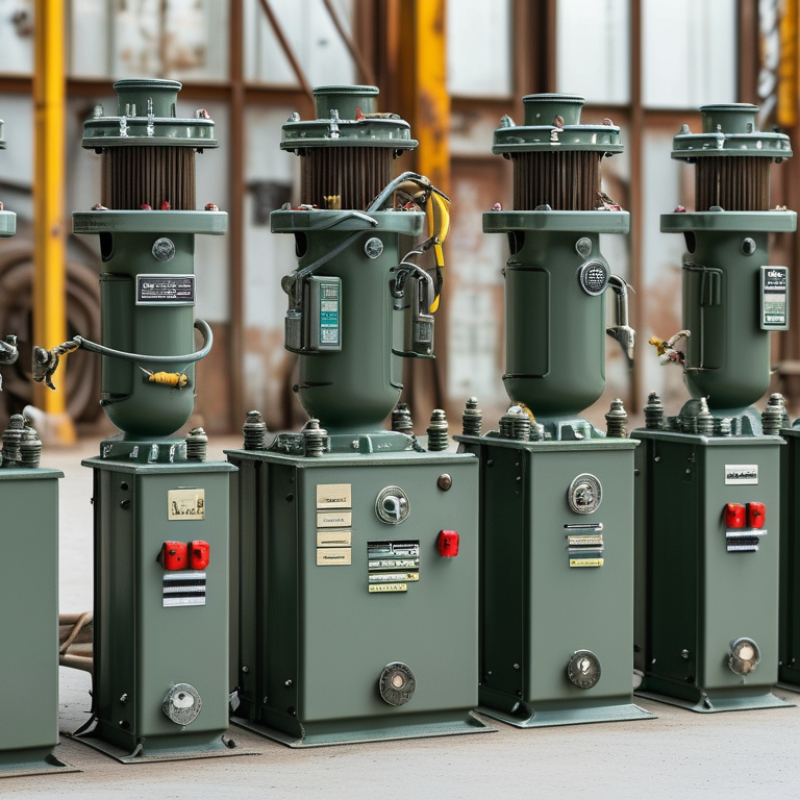
Neutral Grounding Transformers: Purpose, Design, and Operating Principles
Top Neutral Grounding Transformer Suppliers and Prices
Neutral grounding transformers create a controlled path between an electrical system and ground. The neutral is created. This path limits fault current and stabilizes phase-to-ground voltage. A zigzag design is common on systems without an accessible neutral. A wye-delta arrangement may suit different voltage and connection requirements. The transformer usually works with a neutral grounding resistor, which controls current during a fault. Relays then detect the event and isolate the damaged circuit.
Design starts with system voltage, available fault current, grounding method, and clearing time. Engineers also check insulation level, thermal withstand, enclosure rating, and altitude. For example, a specification may require 100 amperes for ten seconds, but that value is not universal. IEEE Std 142 explains grounding practices, while IEEE Std 32 addresses neutral grounding devices and resistors. IEC 60076-6 also provides relevant guidance for reactor-related applications. Field commissioning often exposes a missed detail: the resistor rating may fit, but the protection relay setting may not.
Reliable suppliers should provide impedance data, temperature-rise results, routine test records, and short-time current capability. Price comparisons should include the resistor, enclosure, monitoring devices, freight, and testing. A low quotation can hide costly omissions. The IEA’s Electricity 2024 report forecasts average global electricity-demand growth of 3.4% from 2024 through 2026. NERC’s 2024 Long-Term Reliability Assessment projects North American peak-demand growth of 4.7% over ten years. These trends increase the need for dependable grounding equipment, but published market prices remain difficult to compare without matching technical specifications.
Top Neutral Grounding Transformer Suppliers and Prices - Neutral Grounding Transformers: Purpose, Design, and Operating Principles
| Supplier Category | Typical Application | Primary Voltage | Transformer Rating | Secondary Voltage | Neutral-Point Current | Grounding Resistor | Duty Rating | Construction | Indicative Price (USD) | Typical Lead Time |
|---|---|---|---|---|---|---|---|---|---|---|
| Standard industrial transformer supplier | Low-voltage industrial distribution systems | 2.4–4.16 kV | 15–75 kVA | 240–480 V | 25–100 A | 5–25 Ω, 10 s | Short-time neutral grounding | Dry-type, enclosed or ventilated | $4,000–$10,000 | 6–12 weeks |
| Medium-voltage equipment supplier | Factory power systems and process plants | 4.16–13.8 kV | 50–300 kVA | 240–600 V | 50–400 A | 2–15 Ω, 10 s | 10-second fault duty | Dry-type zig-zag or wye-delta | $9,000–$25,000 | 8–16 weeks |
| Utility substation transformer supplier | Distribution substations and feeder systems | 13.8–34.5 kV | 150–1,000 kVA | 400–690 V | 100–800 A | 1–10 Ω, 10 s | Short-time or continuous duty | Oil-immersed or dry-type | $25,000–$75,000 | 12–24 weeks |
| Mining and heavy-industry supplier | Mining, metals, cement, and high-fault-current sites | 4.16–13.8 kV | 100–750 kVA | 480–1,000 V | 200–1,200 A | 0.5–5 Ω, 10 s | High-current short-time duty | Heavy-duty dry-type with skid base | $20,000–$65,000 | 12–22 weeks |
| Renewable-energy electrical supplier | Solar, wind, and battery energy storage plants | 6.6–34.5 kV | 50–500 kVA | 400–800 V | 50–600 A | 2–20 Ω, 10 s | Intermittent fault duty | Outdoor enclosure with monitoring | $15,000–$55,000 | 10–20 weeks |
| Marine and offshore electrical supplier | Marine vessels, offshore platforms, and isolated grids | 3.3–13.8 kV | 25–300 kVA | 230–690 V | 25–400 A | 5–30 Ω, 10 s | Short-time fault duty | Marine-grade enclosure and corrosion protection | $18,000–$60,000 | 14–26 weeks |
| Custom engineering supplier | Special protection, testing, or space-constrained installations | Up to 69 kV | 25–2,500 kVA | Specified by system design | Project-specific | Project-specific | Continuous or short-time duty | Dry-type or oil-immersed custom design | $40,000–$150,000+ | 18–36 weeks |
FAQS
Compare primary voltage, secondary voltage, frequency, and connection arrangement. These values must match the distribution system exactly.
They define how much thermal stress the transformer can withstand. Check ratings such as 10 seconds or 30 seconds.Short duration matters.
Review its resistance value and tolerance. The resistor controls ground-fault current and can significantly change the final quotation.
Check insulation level, temperature rise, cooling method, enclosure rating, ambient temperature, and altitude limits. Outdoor stainless-steel cabinets usually cost more.
Compact dry-type units may cost about US$3,000 to US$12,000. Larger oil-immersed designs may reach US$15,000 to US$60,000 or more.These figures are indicative.
The price may exclude resistors, monitoring devices, current transformers, testing, commissioning, or freight. A low line total is not always a low installed cost.The comparison may be incomplete.
State the voltage, neutral current, fault duration, duty cycle, frequency, grounding method, ambient temperature, and required standards. Clear data reduces later revisions.
Request certified test reports, wiring diagrams, routine inspection records, and impedance verification details. Ask how short-time withstand capability is confirmed.
Use the same technical schedule for every supplier. Compare accessories, delivery terms, maintenance support, material availability, and total installed cost.I would recheck old fault data. Load conditions may have changed.
Conclusion
A Neutral Grounding Transformer is designed to create an artificial neutral point in power systems that lack a natural grounded neutral. It supports controlled grounding, limits fault current, improves system stability, and helps protect equipment during line-to-ground faults. Common designs include zigzag and wye-delta configurations, with selection depending on voltage level, grounding method, fault duration, impedance, thermal capacity, insulation requirements, and installation environment.
When comparing suppliers, buyers should review product ranges, engineering capabilities, testing standards, delivery schedules, warranty terms, and technical support. Neutral grounding transformer prices vary according to rated voltage, kVA capacity, fault-current withstand time, enclosure type, monitoring accessories, customization, materials, and transportation requirements. Typical costs can range from relatively economical units for small industrial systems to significantly higher prices for large, custom-engineered installations. The right choice should balance electrical performance, safety, lifecycle cost, maintainability, and supplier reliability while meeting the specific requirements of the power network.