1. The Crucial Role of CE Certification in Power Substation Procurement
For international buyers and engineering procurement contractors (EPCs), sourcing electrical substations and power transformers requires strict compliance with safety, electromagnetic compatibility, and environmental impact regulations. The CE Mark (Conformité Européenne) is not merely a trading passport; it signifies that the electrical substation infrastructure meets stringent European Directives, including:
- Low Voltage Directive (LVD 2014/35/EU): Ensures operational safety for switchgear, insulation systems, and control wiring operating within designated voltage thresholds.
- Electromagnetic Compatibility Directive (EMC 2014/30/EU): Guarantees that substation control electronics, numerical relays, and monitoring sensors resist external electromagnetic interference (EMI) while suppressing radiated emissions.
- EcoDesign Directive (EU 548/2014 & 2019/1783): Mandates maximum allowable load and no-load power losses (Tier 2 compliance), directly reducing operational carbon footprints and total cost of ownership (TCO).
2. Comparative Technical Matrix: Substation Transformer Insulating Technologies
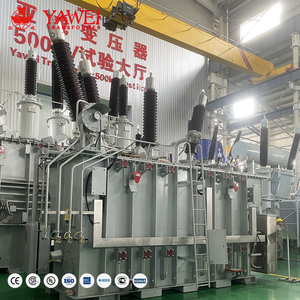
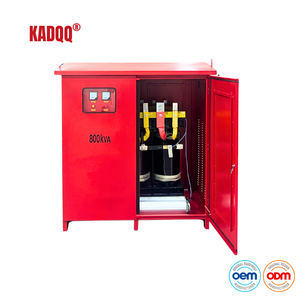
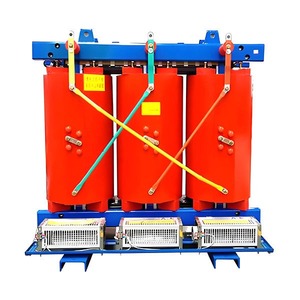
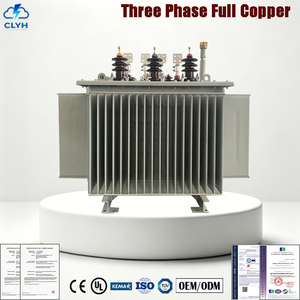
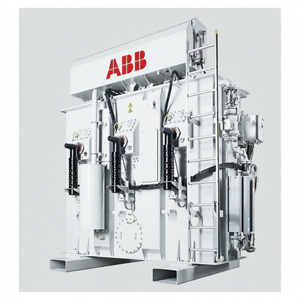
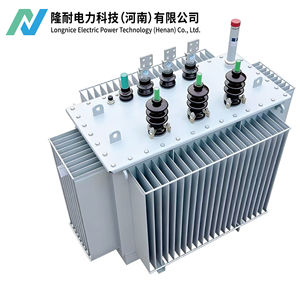
Selecting the optimal transformer insulation topology—Oil-Immersed, Vacuum Pressure Impregnated (VPI), or Cast Resin Dry-Type—depends directly on ambient operating conditions, fire risk classification, and thermal cycling demands.
| Technical Parameter | Oil-Immersed Substation Unit | VPI Dry-Type Transformer | Cast Resin (CRT) Substation Unit |
|---|---|---|---|
| Insulation Class | Class A (105°C) Mineral / Ester Oil | Class H (180°C) or Class C (220°C) | Class F (155°C) / Class H (180°C) |
| Cooling Medium | ONAN / ONAF / OFAF | AN / AF (Air Natural / Forced) | AN / AF Encapsulated Winding |
| Fire Risk & Safety | Requires Fire Pit & Deluge (F1 rated ester available) | Non-flammable, Self-extinguishing F1 Safety Class | Flame retardant, zero toxic gas emissions |
| Environmental Class | Outdoor Substation / Pole-Mounted | Indoor / High Moisture / Dust Proof (IP54) | E2 (Condensation), C2 (Climatic), F1 (Fire) |
| Maintenance Intensity | Periodic DGA & Oil Filtration | Minimal (Visual Inspection & Dust Blowing) | Virtually Maintenance-Free |
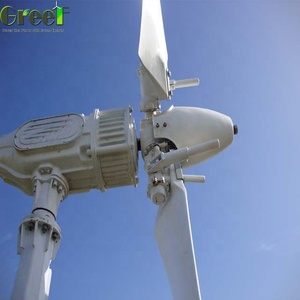
| Best Application | Utility Distribution, Extra High Voltage Grid | Commercial Towers, Metros, Wind Turbines | Chemical Plants, Offshore, Data Centers |
3. Structural Core & Winding Engineering for Extreme Short-Circuit Resilience
The operational longevity of a substation transformer hinges on its electrodynamic resistance to external short-circuit faults. According to IEC 60076-5 standards, transformers must withstand extreme mechanical stress generated during symmetrical and asymmetrical short circuits.
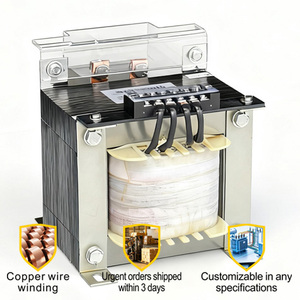
Our manufacturing plant utilizes High-Grade Cold Rolled Grain Oriented (CRGO) Silicon Steel (M0H, M4, or Amorphous Alloy cores) cut with precision step-lap mitered joints (45° angle). This step-lap core stacking architecture minimizes magnetostriction, reducing no-load losses by up to 18% and acoustic noise by 5–8 dB(A) compared to traditional lap-joint designs.
For windings, we exclusively deploy 100% Electrolytic High-Conductivity Copper (99.99% purity) insulated with high-density pressboard and thermal-class paper. Low-voltage high-current windings utilize continuous sheet/foil winding techniques, virtually eliminating axial mechanical forces during short-circuit events.