Recommended Substation & Distribution Equipment
Explore our export-grade transformer portfolio engineered for high efficiency, severe short-circuit withstand capacity, and harsh operating environments.
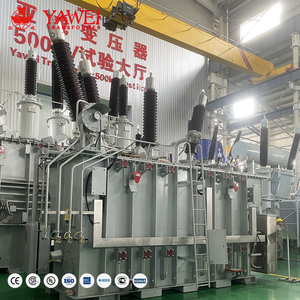
Yawei Manufacturer Price 10 MVA 15MVA 20MVA 67KV 69KV 33KV Power Transformer Copper Winding 60hz Dyn11
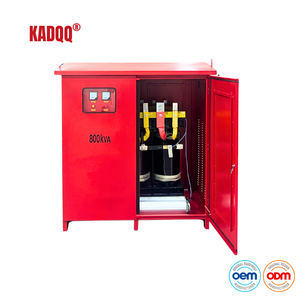
Wind Turbine Generator Isolation Transformer 800KVA Three Phase IP65 Protection CE Certified for Renewable Energy Systems
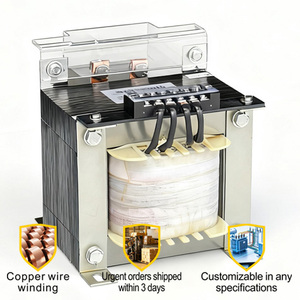
5KVA 10kVA Single Phase Control Transformer 110/220V To 36/48V For Packaging Machinery Pure Copper Winding CE ISO
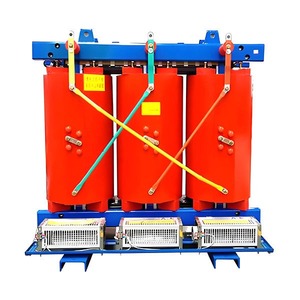
Customizable Fire Prevention Buildings Use Isolation Copper Winding Three Phase 33KV 35KV 38.5KV Wind Turbine Dry Transformer
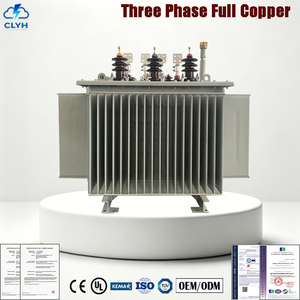
Distribution Transformer 100kVA 10/0.4kV Three Phase Oil Immersed Copper Winding IEC CE Certified 50Hz For Utility Grid
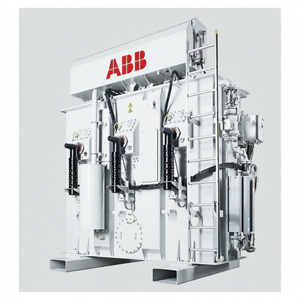
ABB (Hitachi Energy) Offshore Wind Turbine Transformer 5-25MVA 66-72.5KV IEC Genuine
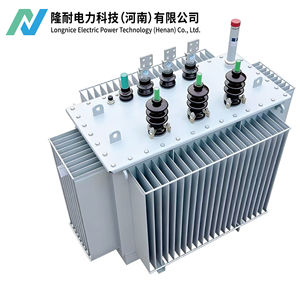
S11 3 Phase Oil Immersed Distribution Transformer 10kV 0.4kV 100% Copper Winding Power Transformer
30+
Years Manufacturing History (Since 1991)
40+
Countries Exported Worldwide
40%
Revenue From International Projects
100%
Routine & Type Tested (CPRI/ERDA)
Enterprise Manufacturing Capabilities & Engineering Authority
As a leading Chinese supplier and global exporter of power transformer systems, our engineering operations are built upon over three decades of continuous manufacturing innovation. Operating out of state-of-the-art facilities equipped with computerized winding lines, automated vacuum pressure impregnation (VPI) chambers, and dedicated temperature-rise testing bays, we deliver sub-station class power and distribution transformers compliant with international benchmarks including IEC 60076, IEEE C57.12, IS 2026, and IS 1180.
Our quality management architecture is certified under ISO 9001:2015, ISO 14001:2015, and ISO 45001:2018. Every single transformer manufactured in our facility undergoes rigorous testing—including Lightning Impulse Withstand, Partial Discharge Measurement, Short-Circuit Withstand Capability, and Acoustic Sound Level Measurement—validated by independent laboratories such as CPRI (Central Power Research Institute) and ERDA (Electrical Research and Development Association).
Step-Lap Core Lamination
Utilizes high-permeability, cold-rolled grain-oriented (CRGO) silicon steel assembled with step-lap mitered joints to dramatically reduce no-load losses and magnetizing current.
Electrolytic Copper Windings
High-grade 99.99% oxygen-free electrolytic copper conductors insulated with high-density thermally-toughened Kraft paper or DuPont Nomex® for elevated short-circuit strength.
Hermetic Sealing & VPI
Options for hermetically sealed oil tanks with corrugated cooling radiators or Class H/F Vacuum Pressure Impregnated dry-type structures for fire-hazardous installations.
Macro Procurement & Technological Trends in Substation Equipment (2025–2035)
The global electrical power landscape is experiencing a paradigm shift driven by grid decarbonization, rapid expansion of utility-scale renewable energy farms (solar PV and offshore wind), and the aggressive modernization of aging distribution networks in North America, Europe, and the Middle East. Sourcing managers and EPC contractors must navigate key macro trends when specifying substation transformers:
1. Renewable Energy Grid Integration & Harmonic Stress Resilience
Conventional transformers designed for linear utility loads fail prematurely when subjected to the high harmonic distortion (THD) and dynamic reverse power flows generated by modern solar inverters and wind turbine power converters. Sourcing trends favor transformers engineered with specific K-Factor ratings (K-9, K-13, K-20) and specialized electrostatic shielding between primary and secondary windings to dissipate high-frequency high-voltage transients.
2. Transition to Eco-Friendly & High-Flashpoint Ester Fluids
Environmental regulations (such as EU EcoDesign Directive Tier 2) and stringent urban fire safety requirements are driving procurement away from conventional mineral oils (IEC 60296) toward Natural and Synthetic Ester Liquids (IEC 61099 / IEEE C57.147). Natural esters offer a fire point exceeding 300°C (Class K fluid classification), self-extinguishing safety, and 100% biodegradability within 28 days, making them ideal for substations located near waterways, high-density metropolitan commercial zones, and underground mining operations.
3. Digitization & IoT-Enabled Smart Substation Transformers
Procurement specifications increasingly mandate real-time condition monitoring systems integrated directly into the transformer control cabinet. Modern smart transformers feature fiber-optic winding hot-spot sensors, online Dissolved Gas Analysis (DGA) monitors, micro-processor controlled On-Load Tap Changers (OLTC), and Modbus/IEC 61850 communication gateways for predictive maintenance and digital twin integration.
Procurement Tip for EPC Buyers: When evaluating supplier proposals for sub-transmission transformers (33kV, 66kV, 69kV, 110kV), ensure the Total Cost of Ownership (TCO) formula is calculated using loss capitalization factors: TCO = Initial Capital Cost + (A × No-Load Loss in kW) + (B × Load Loss in kW). A lower initial purchase price often leads to massive operational financial losses over a 30-year lifecycle if no-load core losses are unoptimized.
Substation Transformer Insulation & Cooling Architecture Comparison
| Transformer Technology | Cooling Mechanism | Thermal Class | Fire Safety Level | Primary Application Areas |
|---|---|---|---|---|
| Oil-Immersed (Mineral Oil) | ONAN / ONAF / OFAF | Class A (105°C) | Standard (Flash point ~145°C) | Outdoor Substations, Utility Grids, High-MVA Transmission |
| Ester Fluid Immersed | KNAN / KNAF | Class K (120°C - 140°C) | High (Flash point >300°C, K-Class) | Eco-sensitive Zones, Solar/Wind Farms, City Centers |
| VPI Dry-Type | AN / AF | Class H (180°C) | Self-Extinguishing (F1/C2/E2) | Commercial High-Rises, Industrial Plants, Packaging Machinery |
| Cast Resin (CRT) Dry-Type | AN / AF | Class F (155°C) / Class H | Non-Flammable, Zero Explosive Risk | Offshore Wind Platforms, Data Centers, Underground Metros |
Frequently Asked Questions (FAQ) for Transformer Sourcing & RFQs
Q1: What factory test certificates and type-test reports should be requested during procurement?
Buyers should mandate both Routine Tests (performed on 100% of manufactured units per IEC 60076-1) and independent Type Test reports. Routine tests include Winding Resistance Measurement, Voltage Ratio & Vector Group Verification, Short-Circuit Impedance and Load Loss, No-Load Loss and Current, and Separate-Source Voltage Withstand Test. Type tests must include Temperature Rise Test, Lightning Impulse Withstand Test (per IEC 60076-3), and Short-Circuit Dynamic Withstand Test issued by accredited test facilities such as CPRI, ERDA, or KEMA.
Q2: What is the significance of Vector Group selection (e.g., Dyn11 vs. Ynd11) in substation transformers?
The vector group specifies the phase displacement between high-voltage (HV) and low-voltage (LV) windings. A Dyn11 configuration (Delta primary, Star secondary with neutral, 30-degree leading phase angle) is the international standard for step-down distribution transformers because it provides a neutral connection for 3-phase 4-wire single-phase loads, suppresses 3rd harmonic voltages, and prevents neutral unbalance from feeding back into the high-voltage transmission grid.
Q3: How do Cast Resin (CRT) and Vacuum Pressure Impregnated (VPI) Dry-Type transformers differ?
Cast Resin Dry-Type transformers encapsulate windings in solid epoxy resin under vacuum, providing complete moisture, dust, and chemical resistance (ideal for offshore platforms, humid environments, and aggressive chemical plants). Vacuum Pressure Impregnated (VPI) transformers use high-temperature Class H/N polyester varnishes to coat open windings, offering superior thermal dissipation, higher temporary overload capacity, and easier field repairability while maintaining excellent fire resistance.
Q4: What custom specifications are required for transformers used in offshore and onshore wind turbines?
Wind turbine step-up transformers (such as 33kV, 35kV, or 66kV units) experience intense mechanical vibrations, severe electrical transients, compact nacelle or tower space constraints, and high ambient humidity. Key engineering requirements include compact dimensioning, reinforced mechanical clamping structures to resist vibrational fatigue, C4/C5 marine-grade paint coatings, IP65 protection for external cabinets, and specialized electrostatic shields to isolate high-frequency inverter switching spikes.
Q5: How are On-Load Tap Changers (OLTC) integrated into power substation transformers?
OLTC mechanisms allow step-by-step ratio adjustments while the transformer remains energized under full load, stabilizing grid output voltage despite fluctuating primary transmission voltages. Modern power transformers utilize vacuum-switch OLTCs, which eliminate arc-contamination of transformer oil, extend maintenance intervals beyond 300,000 operations, and interface seamlessly with modern digital automatic voltage regulators (AVR).
Q6: What export packaging, nitrogen padding, and ocean transport precautions are implemented?
For large power transformers (>5 MVA), main tanks are frequently shipped drained of oil and filled with pressurized dry nitrogen gas (N2) at 0.02 to 0.03 MPa to prevent internal moisture ingress during ocean transit. Tanks are fitted with impact recorders to track G-force acceleration during crane handling and sea voyages. Bushings, conservators, and radiators are detached, sealed, vacuum-packed in heavy-duty wooden cases compliant with ISPM-15 heat-treatment standards.
Ready to Source High-Performance Substation Equipment?
Connect directly with our senior transformer application engineers to receive custom technical drawings, full type-test documentation, dynamic load loss sizing, and factory-direct commercial quotations tailored for your project requirements.
Get Catalog