Featured Oil-Immersed Transformers & Power Solutions
Engineered for utility power grids, renewable energy farms, heavy industrial plants, and commercial substations with 100% pure copper windings and zero-leakage hermetic seals.
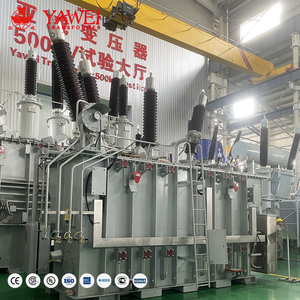
Yawei Wholesale 10MVA - 20MVA 67kV/69kV/33kV Power Transformer
Heavy-duty power transformer featuring 100% copper windings, Dyn11 vector group, OLTC tap changers, and low loss design for utility grids.
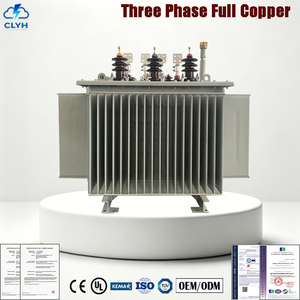
Distribution Transformer 100kVA 10/0.4kV Three Phase Oil Immersed
High-efficiency utility distribution unit built to IEC 60076 & CE standards. Pure copper winding with optimized thermal dissipation.
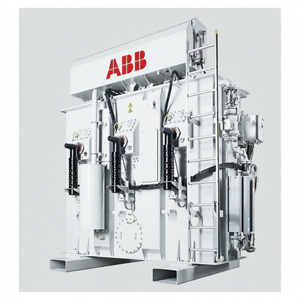
ABB Grade Offshore Wind Turbine Transformer 5-25MVA 66-72.5kV
Harsh-environment marine grade transformer designed for offshore wind platforms. Features anti-corrosion C5-M coating and ester fluid isolation.
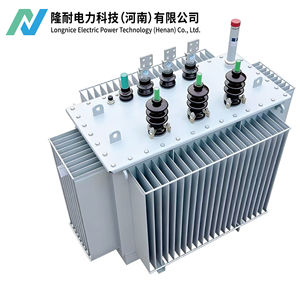
S11 3 Phase Oil Immersed Distribution Transformer 10kV 0.4kV
Energy-saving S11 core structure with 100% electrolytic copper winding. Reduces no-load losses by 30% compared to standard models.
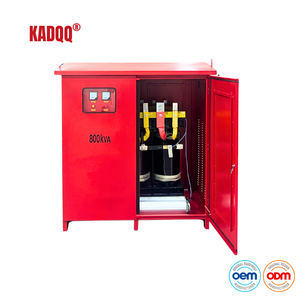
Wind Turbine Isolation Transformer 800kVA Three Phase IP65
Specially designed for renewable energy systems. High short-circuit resistance, galvanic isolation, and withstands severe voltage spikes.
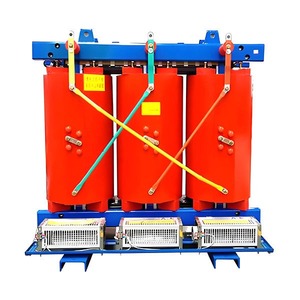
Customizable Fire Prevention 33kV 35kV 38.5kV Wind Transformer
High-voltage isolation transformer designed for commercial building substations and renewable wind energy step-up integration.
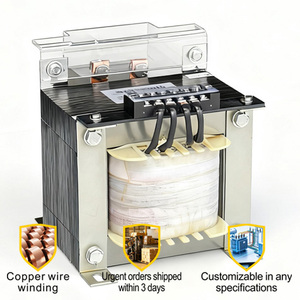
5kVA 10kVA Single Phase Industrial Step-Down Control Transformer
Precision voltage stepping (110/220V to 36/48V) for heavy machinery, packaging systems, and continuous industrial control loops.
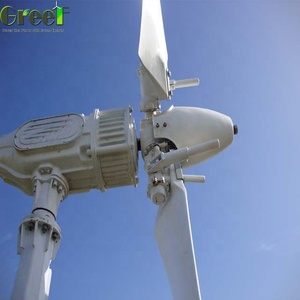
Aluminium Body Micro-Grid Wind Power Integration Transformer Unit
Lightweight, corrosion-resistant outdoor transformer unit ideal for agricultural micro-grids, remote farms, and distributed generation.
Why Sourcing From China's Leading Oil Transformer Manufacturer Matters
Combining 30+ years of high-voltage transformer engineering legacy with ISO 9001:2015 precision manufacturing, world-class testing labs, and global utility compliance.
Strict Global Standard Compliance
Our oil-immersed power and distribution transformers are engineered to comply rigorously with international standards including IEC 60076, IEEE C57.12, IS 2026, and IS 1180. Every production batch undergoes comprehensive routine testing and third-party type tests certified by ERDA, CPRI, and KEMA.
Full In-House Quality Assurance
Equipped with specialized laser cutting machinery, automated CNC core stacking, vacuum oil filling chambers, and an in-built Temperature Rise Test Laboratory. We control 100% of the manufacturing process from raw CRGO silicon steel slitting to final hermetic seal pressure testing.
Tailored OEM/ODM Customization
From extreme high-altitude (>3000m) derating to tropical humidity, desert heat, and corrosive offshore environments (C5-M paint), our engineering team designs bespoke vector configurations (Dyn11, YNd11, YNyn0), dual voltage primaries, and specialized ester fluid tanks.
Technological Evolution & Engineering Trends in Oil-Immersed Transformers
An in-depth analysis of material science breakthroughs, smart grid sensor integration, and dielectric fluid transition shaping next-generation transformer manufacturing.
1. Dielectric Fluid Revolution: Transitioning from Mineral Oil to Bio-Degradable Synthetic & Natural Esters
The global power distribution landscape is undergoing a decisive shift from traditional petroleum-based mineral oils toward Natural Esters (vegetable oils such as FR3) and Synthetic Esters (MIDEL 7131). Vegetable ester fluids possess a fire point exceeding 300°C—substantially higher than mineral oil’s 160°C threshold—classifying them as K-class fire-safe insulating fluids.
Furthermore, ester fluids offer zero ecotoxicity and complete biodegradability within 28 days, rendering them the gold standard for environmentally sensitive deployments such as wind farm substations, urban underground distribution grids, and water protection zones. China's top transformer manufacturers are leading this transition by re-engineering transformer cooling passages and gasket materials (Fluorocarbon & Viton) to accommodate ester fluid viscosity characteristics.
2. Amorphous Alloy Cores vs High-Permeability CRGO Silicon Steel
Core loss (no-load loss) represents a continuous operational cost for power utilities over a transformer's 30-year lifecycle. Modern oil transformers utilize two primary core materials:
| Core Metallurgy Type | No-Load Loss Reduction | Saturation Flux Density | Acoustic Noise Level | Primary Application Scenario |
|---|---|---|---|---|
| Amorphous Alloy (Fe-Si-B) | 60% - 75% Lower vs CRGO | 1.56 Tesla | Slightly Higher (+3 to 5 dB) | Rural Grids, Solar Farms, Low-Load Factor Grids |
| High-Permeability CRGO (23Q110 / M0H) | Standard Baseline (Tier 2 Compliant) | 1.90 - 2.03 Tesla | Ultra-Quiet (< 45 dB) | Urban Substations, Heavy Industry, High kVA Units |
3. Smart Transformer Sensors & IoT Dissolved Gas Analysis (DGA)
Unplanned grid downtime is extremely costly. Modern wholesale oil transformers from China are increasingly integrated with online IoT condition monitoring suites. These systems embedded directly into the transformer conservator or main tank include:
- Online DGA Gas Chromatography: Continuously measures dissolved Hydrogen ($H_2$), Acetylene ($C_2H_2$), Methane ($CH_4$), and Carbon Monoxide ($CO$) to detect incipient arc discharges or thermal hotspots before catastrophic breakdown occurs.
- Fiber-Optic Direct Winding Temperature Sensing: Replaces traditional thermal image indicators with quartz fiber optic sensors embedded inside winding coils for real-time hotspot tracking under dynamic overload conditions.
- Micro-Water Moisture Sensors: Monitors oil dielectric breakdown strength by tracking PPM moisture accumulation in oil insulation in real time.
Future Procurement Trends for Global Transformer Buyers
Key market forces, regulatory mandates, and Total Cost of Ownership (TCO) evaluation models reshaping international B2B transformer purchasing decisions.
1. Decarbonization & Eco-Design Regulations
International procurement policies now prioritize strict maximum loss allowances. Regulations such as the EU EcoDesign Directive Tier 2 (EN 50588-1) and US Department of Energy (DOE 2026) standards strictly cap maximum allowable $P_0$ (no-load loss) and $P_k$ (load loss). B2B procurement managers sourcing from China must ensure factory compliance with these stringent efficiency metrics to avoid regulatory penalties and high lifecycle carbon costs.
2. Transition to Total Cost of Ownership (TCO) Evaluation
Leading electrical utilities and industrial conglomerates are moving away from evaluating suppliers purely based on initial Purchase Price (CapEx). Sourcing decisions are now calculated using the TCO formula:
Where A and B represent the capitalized monetary values of electricity losses over 20-30 years. Purchasing a high-efficiency transformer with lower losses often saves 3x to 5x its initial capital cost over its operational lifetime.
3. Direct Wholesale Factory Sourcing vs. Trading Intermediaries
To mitigate global supply chain bottlenecks and extended lead times, EPC contractors and power utilities are establishing direct OEM/ODM partnerships with verified Chinese manufacturers. Direct factory sourcing allows custom engineering modifications, transparent Factory Acceptance Testing (FAT) via remote video feeds, and 15% to 30% cost savings compared to purchasing through local resellers.
4. Grid Modernization for Wind, Solar & EV Infrastructure
The rapid expansion of renewable energy microgrids and mega-watt EV charging stations demands transformers capable of handling severe dynamic harmonic loads (K-Factor ratings) and bidirectional power flows. Modern oil transformers are customized with electro-static shields between windings to prevent high-frequency inverter switching surges from damaging the distribution grid.
Frequently Asked Questions for Oil Transformer Procurement
Expert technical advice addressing common engineering inquiries, vector group selections, short-circuit requirements, and factory acceptance procedures.
Q1 What is the key difference between S11, S13, and S22 oil-immersed transformer series?
Q2 Why is Dyn11 vector group preferred over YNyn0 for distribution transformers?
Q3 What is the standard insulation lifespan of oil-immersed transformers under full load?
Q4 What Factory Acceptance Testing (FAT) routine tests are performed prior to shipment?
- Measurement of winding resistance at cold state.
- Measurement of voltage ratio and vector group verification.
- Measurement of short-circuit impedance and load loss ($P_k$).
- Measurement of no-load loss ($P_0$) and no-load current.
- Separate-source AC applied voltage withstand test (Hi-Pot test).
- Induced overvoltage withstand test and partial discharge (< 10 pC) verification.
- Hermetic tank oil leak pressure test (50 kPa pressure sustained for 24 hours).
Q5 How does an On-Load Tap Changer (OLTC) differ from an Off-Circuit Tap Changer (OCTC)?
Q6 What are the advantages of Hermetically Sealed oil transformers versus Conservator Type transformers?
Q7 What ambient temperature derating factors must be considered for tropical or desert climates?
Q8 What packaging and sea transport protocols are used for international wholesale delivery?
Ready to Request a Factory-Direct Wholesale Quotation?
Get in touch with our senior electrical engineering team for technical datasheets, full CAD dimensional drawings, short-circuit withstand reports, and factory-direct pricing tailored to your project requirements.