Featured Marine & Offshore Transformer Systems
High-reliability transformers designed for marine propulsion, offshore wind platforms, naval vessels, and industrial marine power networks.
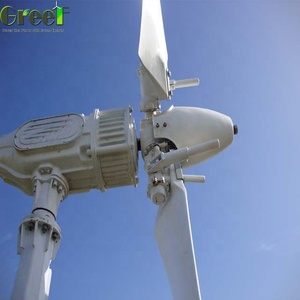
Aluminium Body Small Wind Turbine Isolation & Marine Auxiliary Unit
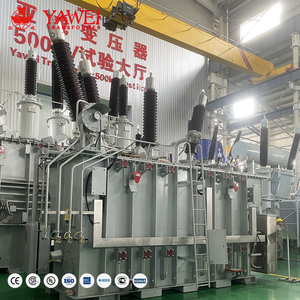
Yawei Marine Grade 10MVA - 20MVA 69KV/33KV Heavy Power Transformer (100% Copper)
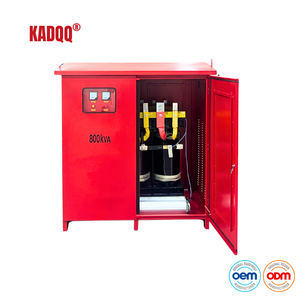
Offshore Wind & Marine Generator Isolation Transformer 800KVA Three Phase IP65 CE
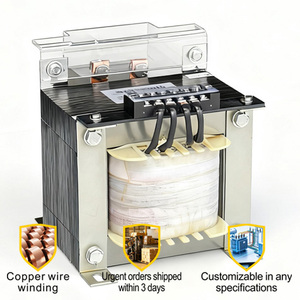
5KVA - 10KVA Single Phase Marine Deck Control Transformer 110/220V Pure Copper Winding
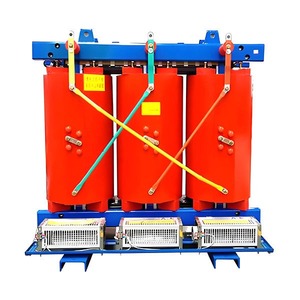
Fire-Safe 33KV - 38.5KV Offshore VPI Dry Type Isolation Copper Transformer
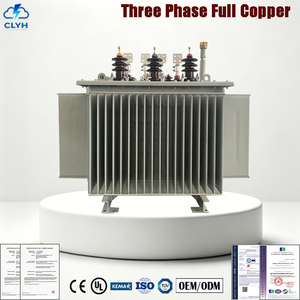
100KVA 10/0.4kV Marine Deck Distribution Transformer Oil-Immersed IEC CE Certified
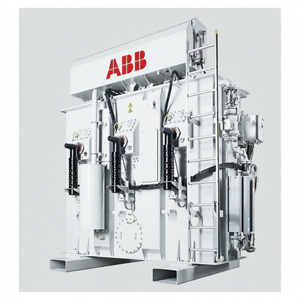
Heavy Offshore Wind Platform Transformer 5-25MVA 66-72.5KV High Voltage Marine Unit
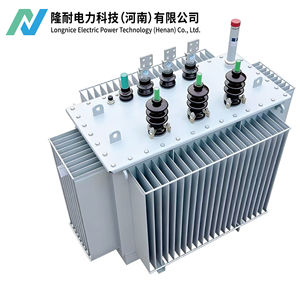
S11 Marine Grade 3-Phase Oil Immersed Distribution Transformer 10kV to 0.4kV Copper
Leading OEM/ODM Marine Transformer Manufacturer
Over 30+ Years of Precision Electrical Engineering, Global Compliance, and Custom Offshore Power Solutions.
ISO 9001:2015 & Global Certifications
Operating under rigorous ISO 9001:2015, ISO 14001:2015, and OHSAS 18001 standards. Our manufacturing workflow adheres strictly to IEC 60076, IEC 60092 (Marine Electrical Installations), IS 2026, and IS 1180 guidelines, guaranteeing flawless reliability across international waters.
30+ Years OEM/ODM Specialization
Founded in 1991 in Mumbai, India, our engineering legacy spans over three decades. We deliver tailormade OEM/ODM solutions for shipyards, offshore platforms, defense vessels, and EPC contractors across more than 40 countries worldwide.
CPRI & ERDA Type Tested
All designs undergo rigorous independent validation at CPRI (Central Power Research Institute) and ERDA. Testing verified dielectric strength, full short-circuit withstand performance, acoustic noise emissions, thermal rise tolerance, and severe vibration resistance.
Comprehensive Marine Transformer Technical Whitepaper
Information Gain Analysis: Critical Engineering Requirements for Oceanic, Offshore Wind, and Vessel Power Distribution.
1. Oceanic Environment & Anti-Corrosion Protection (C5-M Heavy Marine Standard)
Marine environments present extreme operational challenges, including high humidity, high salinity, continuous thermal cycling, and aggressive salt-spray corrosion. Standard industrial transformers fail rapidly under oceanic conditions due to insulation degradation and enclosure corrosion.
Our OEM/ODM marine transformers utilize C5-M heavy-duty marine paint systems (polyurethane and epoxy zinc-rich coatings exceeding 320µm thickness) alongside 316L stainless steel hardware. Windings are completely encapsulated using advanced Vacuum Pressure Impregnation (VPI) or Cast Resin dry-type technology, eliminating moisture absorption and ensuring zero breakdown under 100% condensing humidity.
2. Mechanical Shock, Pitch/Roll & Vibration Resistance
Shipboard and offshore environments subject electrical machinery to dynamic mechanical stress caused by propulsion vibration, engine resonance, pitch, roll, and severe wave impacts. Standard core clamping structures loosen over time, leading to audible noise spikes and core displacement.
We engineer reinforced structural frames with high-tensile tie rods, anti-vibration rubber dampers, and specialized core clamping mechanisms capable of withstanding dynamic accelerations up to 4G in any axis. Core laminations are produced using cold-rolled grain-oriented (CRGO) high-permeability silicon steel, precision-stepped and bonded to suppress acoustic noise under intense mechanical shock.
3. Harmonic Mitigation & Pulse-Shift Rectifier Duty
Modern marine vessels heavily rely on Variable Frequency Drives (VFDs) for electrical propulsion, thrusters, winches, and HVAC pumps. Non-linear VFD loads introduce extreme current harmonics (THD), generating severe thermal stress, eddy current losses, and voltage distortion in standard transformers.
Our custom Converter Duty Marine Transformers feature specialized multi-winding phase-shifting configurations (12-pulse, 18-pulse, and 24-pulse secondary outputs). Designed with K-Factor ratings (K-13, K-20) and electrostatic copper shielding between windings, they effectively neutralize harmonics, suppress electromagnetic interference (EMI), and prevent premature overheating.
4. Fire Safety & Zero-Leakage Marine Dry-Type Technology
Fire on board a vessel or offshore rig is an catastrophic safety hazard. Traditional mineral oil-immersed transformers pose severe flammability and fluid spill risks in confined shipboard engine rooms or enclosed deck substations.
We specialize in Class H (180°C) VPI and Class F (155°C) Cast Resin dry-type marine transformers built with flame-retardant, self-extinguishing Nomex insulation materials. For applications requiring liquid-filled transformers, we provide hermetically sealed designs utilizing bio-degradable synthetic ester fluids with high flashpoints (>300°C), providing absolute environmental and fire safety compliance.
Technical Specification Matrix: Marine vs. Standard Industrial Transformers
| Specification Parameter | Standard Industrial Transformer | OEM/ODM Marine Grade Transformer (Our Standard) |
|---|---|---|
| Corrosion Class | C2 - C3 Industrial Coating | C5-M Offshore Marine Grade Coating |
| Insulation System | Class A / Class F (105°C - 155°C) | Class H Nomex VPI (180°C) / Cast Resin |
| Vibration & Shock Withstand | Standard Base Frame (1G Limit) | Reinforced Frame & Anti-Vibration Dampers (Up to 4G) |
| Harmonic Capability | Standard K-1 Rated | K-13 to K-20 Converter Duty / Multi-Pulse Phase Shift |
| Enclosure Protection | IP20 / IP23 Basic Indoor Enclosure | IP44, IP55, IP56, IP65 Marine Enclosures (AFWF/ANAN) |
| Ambient Temperature Rating | 40°C Standard Ambient | 45°C - 55°C High Ambient Marine Deck Rating |
| Type Testing Standards | Standard IS 2026 / IEC 60076 | IEC 60092-303, DNV, ABS, LR, CPRI & ERDA Certified |
Future Procurement & Technology Trends in Marine Transformers
Navigating Global Decarbonization, High-Voltage Shore Connection (OPS), and Intelligent Digital Marine Grids.
1. Shore-to-Ship Cold Ironing & High-Voltage Shore Connections (HVSC)
To comply with IMO green marine mandates and zero-emission port policies, ship owners are rapidly upgrading fleet infrastructure to accept High-Voltage Shore Connection (HVSC) systems (IEC/IEEE 80005-1 standard). Procurement demand is shifting toward dual-frequency (50Hz/60Hz), multi-tap isolation transformers capable of seamless shore-power synchronization, preventing auxiliary engine emissions while berthed.
2. Digital Twin Integration & Real-Time IoT Condition Monitoring
Unplanned power outages on high-seas commercial or naval vessels can lead to severe operational losses. Next-generation marine transformers feature embedded fiber-optic temperature sensors, vibration monitoring probes, online dissolved gas analyzers (for ester units), and digital IoT gateways compatible with integrated vessel management systems (VMS).
3. Advanced Forced Water-Air Cooling Systems (AFWF)
Space constraints inside vessel engine rooms demand maximum power density. Procurement trends highlight a strong preference for AFWF (Air-Forced Water-Forced) liquid-to-air heat exchanger systems integrated directly onto IP54/IP56 enclosed dry-type transformers. This allows ultra-compact footprints while utilizing vessel seawater/chilled water cooling circuits.
Marine Transformer Procurement FAQ
Answers to Critical Engineering and Commercial Questions Raised by Marine Architects, Shipbuilders, and Procurement Managers.
What specific international standards govern marine transformer manufacturing?
Why are Vacuum Pressure Impregnated (VPI) Dry-Type transformers preferred over oil-filled transformers on ships?
How do OEM/ODM manufacturers handle harmonic distortion caused by vessel electric propulsion drives?
What is the difference between ANAN, ANAF, and AFWF cooling modes in marine transformers?
What surface treatment is applied to marine transformer enclosures to combat salt-mist corrosion?
Can you customize voltage ratios, vector groups, and footprint sizes for retrofit shipyard projects?
Enterprise Capabilities & OEM Manufacturing Advantage
State-of-the-Art Production Facility, In-House High Voltage & Temperature Rise Testing Laboratory in Mumbai.
In-House Temperature Rise & CPRI Facilities
Our manufacturing infrastructure in Wadala, Mumbai includes full in-house temperature rise testing equipment—a critical type test mandated by international maritime standards. Every transformer undergoes 100% routine testing before shipment.
Registered Vendor to Utilities & Multinationals
We are a certified supplier to electricity boards, international shipbuilders, offshore wind developers, and EPC conglomerates. Our engineering team provides direct support from initial marine design calculations to vessel commissioning.
100% Electrolytic Copper Windings
We strictly use high-grade prime electrolytic copper conductors insulated with Nomex paper or double-paper covering (DPC). This ensures maximum electrical conductivity, minimal load losses, superior overload capacity, and long operational service life.