Engineered Transformer Solutions for Industrial Metallurgy
Directly sourced high-capacity furnace transformers, isolation dry-types, and renewable grid-interfacing power units built to IEC 60076 and IS 2026 standards.
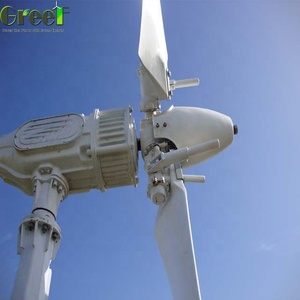
Aluminium Body Small Wind Turbine for Farm
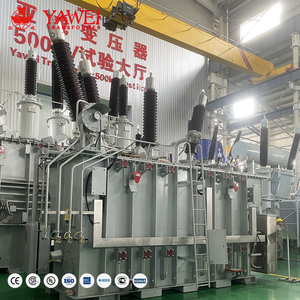
Yawei 10MVA 15MVA 20MVA 67KV 69KV 33KV Power Transformer Copper Winding Dyn11
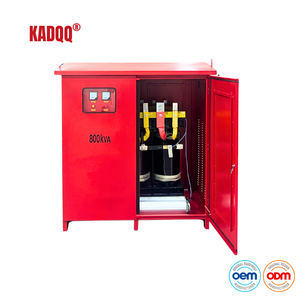
Wind Turbine Isolation Transformer 800KVA Three Phase IP65 Protection
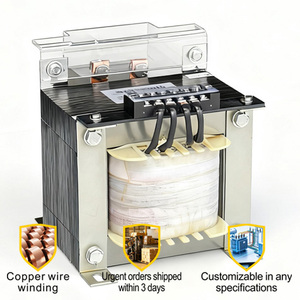
5KVA 10kVA Single Phase Control Transformer 110/220V To 36/48V Pure Copper
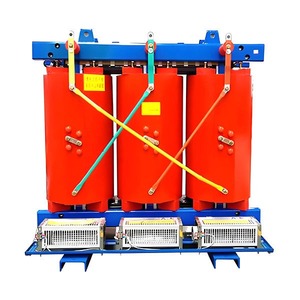
Fire Prevention Isolation Copper Winding Three Phase 33KV 35KV Dry Transformer
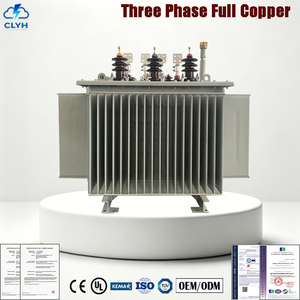
Distribution Transformer 100kVA 10/0.4kV Three Phase Oil Immersed IEC CE
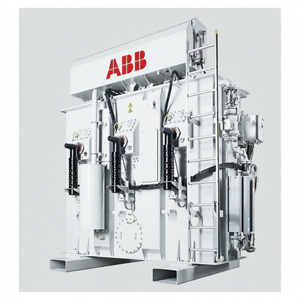
ABB (Hitachi Energy) Offshore Wind Turbine Transformer 5-25MVA 66-72.5KV
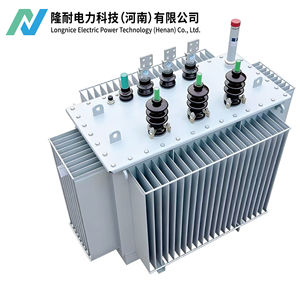
S11 3 Phase Oil Immersed Distribution Transformer 10kV 0.4kV 100% Copper
1. Executive Summary & Thermal Dynamics of Furnace Transformer Engineering
Furnace transformers represent the absolute zenith of industrial electrical engineering. Unlike standard power distribution transformers that operate under relatively stable steady-state grid conditions, a Furnace Transformer is subjected to extreme operational stress, severe mechanical electrodynamic forces, rapid thermal cycling, high harmonic content, and repeated dead short-circuit conditions inherent to steelmaking and smelting processes.
Whether powering an Electric Arc Furnace (EAF), a Submerged Arc Furnace (SAF), a Ladle Refining Furnace (LF), or a high-capacity Ferroalloy smelting system, China’s tier-1 manufacturers have evolved advanced thermal modeling and structural reinforcement techniques. Today, top Chinese exporters deliver customized furnace transformers capable of stepping down medium or high transmission voltages (e.g., 33kV, 66kV, 110kV) to exceptionally low secondary voltages (typically 100V to 1,200V) while supplying extraordinary continuous currents reaching up to 100,000 Amperes (100kA).
Technical Comparison: Arc Furnace vs. Submerged Arc vs. Converter Duty Units
To assist procurement engineers and plant directors in technical specification evaluation, the following structural breakdown highlights key operational differences among specialized heavy-duty industrial transformers:
- Electric Arc Furnace (EAF) Transformers: Designed to withstand severe current fluctuations, direct arc ignition short-circuits, and frequent switching operations (up to 100–150 breaker trips per day). Equipped with motorized On-Load Tap Changers (OLTC) with wide voltage regulation bands (often 30 to 80 steps).
- Submerged Arc Furnace (SAF) Transformers: Used extensively in silicon metal, ferrosilicon, and calcium carbide production. Characterized by continuous ultra-high secondary current output, low secondary voltage, and heavy copper busbar arrangements integrated directly into water-cooled delta closures.
- Converter Duty & Rectifier Transformers: Optimized for DC arc furnaces, aluminum electrolysis, and variable frequency motor drives. Designed with multiple phase-shifted secondary windings (12-pulse, 24-pulse, or 48-pulse) to neutralize grid-side harmonic currents.
2. Structural Design Principles & Electrodynamic Protection
When selecting a supplier from China or global markets, mechanical integrity and cooling management dictate total asset lifecycle value (TCO). A failure in a steel plant's primary power unit can cost millions of dollars per day in lost production. Below are the key engineering pillars prioritized by elite manufacturers:
A. Core Geometry & Magnetic Flux Management
Modern furnace transformers utilize high-permeability, cold-rolled grain-oriented (CRGO) silicon steel laminations (such as Baosteel or Nippon Steel grades 23ZH085 or 27ZH100). Cores are stacked using 45-degree full-mitred step-lap joints, drastically minimizing no-load losses, magnetizing current, and acoustic noise emissions. Furthermore, magnetic shielding and non-magnetic stainless steel structural clamping plates prevent stray flux heating along the tank walls when carrying 50kA+ secondary currents.
B. Secondary Busbar & Water-Cooled Delta Closure
Because the secondary voltage is low and current is immense, the impedance of the secondary circuit is critical. Premium Chinese transformer designs incorporate interleaved copper busbars that exit the transformer tank wall via non-magnetic stainless steel gland plates or resin bus ducts. Internal windings utilize oxygen-free copper (OFC) transposed conductors (CTC) to minimize skin effect and eddy current losses, while external delta connections are frequently water-cooled to maintain thermal stability under 100% continuous overload cycles.
3. Technical Specification Matrix: Standard vs. Furnace Duty Transformers
This reference matrix provides standardized operational parameters for industrial procurement evaluations:
| Parameter / Feature | Standard Utility Transformer | Electric Arc Furnace (EAF) | Submerged Arc Furnace (SAF) | Rectifier / Converter Duty |
|---|---|---|---|---|
| Typical Power Rating | 1 MVA – 100 MVA | 10 MVA – 160 MVA | 12 MVA – 80 MVA | 5 MVA – 60 MVA |
| Secondary Voltage Range | 400V – 33,000V | 150V – 1,100V (Multi-tap) | 80V – 400V (Fine taps) | 200V – 1,500V (DC equivalent) |
| Secondary Current | 100A – 2,000A | 20,000A – 120,000A | 30,000A – 150,000A | 10,000A – 80,000A |
| Short-Circuit Stress Level | Standard (Occasional grid fault) | Extreme (Frequent daily strikes) | Moderate to High (Continuous load) | High (Harmonic load) |
| Cooling System Type | ONAN / ONAF | OFWF / ODAF (Forced oil/water) | OFWF / ODAF | ONAF / OFWF |
| Tap Changer Configuration | Off-Circuit / Standard OLTC | Heavy-Duty High-Cycle OLTC | On-Load fine adjustment OLTC | Motorized OLTC / Saturable Reactor |
| Harmonic Mitigation | Baseline (5th/7th filter optional) | Extensive dynamic reactive power | Medium harmonic stress | Multi-phase shifting (12/24/48P) |
4. Global Sourcing Trends & Procurement Dynamics (2025–2030)
The global steel industry is undergoing a historic transformation driven by decarbonization, green hydrogen initiatives, and net-zero sustainability mandates. As a result, the global procurement landscape for high-capacity furnace transformers is evolving across three major dimensions:
1. Shift Toward Direct Reduced Iron (DRI) & Electric Arc Furnaces (EAF)
Governments across Europe, North America, and Asia are penalizing traditional coal-fired Blast Furnace-Basic Oxygen Furnace (BF-BOF) steel production under carbon border adjustment mechanisms (such as EU CBAM). Consequently, global steel producers are replacing blast furnaces with Gas/Hydrogen-based DRI plants combined with high-power Electric Arc Furnaces. This shift has created an unprecedented global demand surge for 80MVA to 180MVA furnace transformers.
2. Integration of Biodegradable Synthetic & Natural Esters
Environmental regulations and fire safety codes in high-density industrial parks have accelerated the adoption of natural and synthetic ester transformer fluids (such as FR3 or MIDEL) in place of conventional mineral oil. Chinese exporters are now leading the implementation of high-flashpoint ester fluids in dry-type and liquid-immersed furnace transformers, offering K-class fire safety (flash point > 300°C) and superior environmental biodegradability.
3. Intelligent Digital Twins & Real-Time DGA Condition Monitoring
Modern furnace transformers exported from top-tier Chinese facilities are supplied with integrated Smart IOT monitoring suites. These systems perform online Dissolved Gas Analysis (DGA), continuous winding hot-spot temperature calculation via embedded fiber-optic sensors, dynamic moisture measurement, and OLTC contact wear tracking. This predictive analytics layer prevents catastrophic field outages and extends transformer operational lifespan past 30+ years.
5. Enterprise Advantages & Quality Control Architecture
When partnering with leading Chinese and global manufacturing groups, top-tier suppliers differentiate themselves through stringent quality management systems, world-class testing equipment, and complete supply chain transparency.
In-House Type Testing & High Voltage Labs
Equipped with 1,200kV impulse voltage generators, partial discharge (PD) testing chambers with background noise < 5pC, and full load temperature rise testing bays validated by international accreditation bodies such as KEMA, CPRI, and ERDA.
International Regulatory & Quality Certifications
Fully compliant with ISO 9001:2015, ISO 14001:2015, and ISO 45001:2018. Products meet or exceed IEC 60076, IEEE C57.12, ANSI, EN, and GOST standards, ensuring seamless grid interconnection worldwide.
End-to-End Vertical Manufacturing
From copper rod drawing and CTC cable insulation to silicon steel core cutting, tank fabrication, automated vacuum pressure impregnation (VPI), and oil degassing—vertical integration ensures rigorous quality control at every phase.
Global EPC & Logistics Field Execution
Turnkey export execution including heavy-lift ocean transport, on-site transformer dressing, vacuum oil filling, commissioning supervision, and 24/7 field engineering response across 40+ countries.
Frequently Asked Questions: Furnace Transformer Sourcing
Detailed technical answers to common engineering, quality verification, and commercial questions asked by international buyers.
What is the primary difference between a standard power transformer and a furnace transformer?
A standard power transformer delivers stable voltage and current under continuous grid frequencies with minimal load fluctuations. In contrast, a furnace transformer is specially designed to handle ultra-high secondary currents (up to 120kA), extreme short-circuit electrodynamic forces during arc generation, rapid load variations, and heavy harmonic distortions without insulation breakdown or mechanical deformation.
Why are On-Load Tap Changers (OLTC) critical for Electric Arc Furnace (EAF) transformers?
During the steelmaking process, different operational phases (such as scrap melting, refining, and slag formation) require significantly different arc voltages and current levels. An OLTC allows operators to adjust the secondary voltage under load across dozens of steps, maximizing energy transfer efficiency, minimizing electrode consumption, and preventing unwanted grid disturbance.
How do Chinese exporters handle short-circuit withstand validation for large furnace transformers?
Top Chinese suppliers conduct full electrodynamic short-circuit stress calculations using 3D Finite Element Analysis (FEA) software during the design phase. Physical short-circuit testing is performed in accordance with IEC 60076-5 standards at independent national laboratories such as CPRI, ERDA, or KEMA-certified testing facilities.
What cooling methods are recommended for 50MVA+ furnace transformers?
For furnace transformers rated above 30MVA to 50MVA, Forced Oil Forced Water (OFWF) or Directed Oil Forced Water (ODWF) cooling heat exchangers are standard. Water-cooled heat exchangers provide exceptionally compact footprints and high thermal dissipation efficiency compared to air-cooled radiators (ONAF), which is critical inside cramped steel mill buildings.
Can Chinese manufacturers design furnace transformers compatible with natural ester (FR3) fluids?
Yes. Tier-1 Chinese exporters routinely engineer ester-filled furnace transformers. Because natural ester has higher viscosity than mineral oil, thermal flow passages, duct sizing, and paper insulation materials are specially re-engineered to maintain optimal cooling performance while achieving K-class fire safety and high environmental compliance.
What is the typical manufacturing lead time for a customized 40MVA EAF transformer?
Typical manufacturing lead time ranges from 16 to 24 weeks depending on raw material availability (such as specialized CRGO steel and CTC copper) and factory testing schedules. High-priority fast-track production programs can reduce this timeline to approximately 12 to 14 weeks upon engineering drawing approval.
Request a Customized Technical Quote & Engineering Consultation
Need specialized furnace transformer specifications, CAD dimension layouts, or budget quotations for your upcoming melt shop expansion? Connect directly with our application engineering team today.