Industrial Transformers & Substation Solutions
Explore our top-rated range of oil-immersed, dry-type, and wind/solar dedicated step-up substations engineered for global utility grids and high-demand commercial infrastructure.
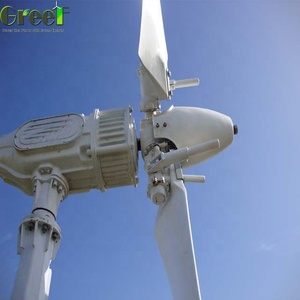
Aluminium Body Small Wind Turbine for Farm Applications
Send an Inquiry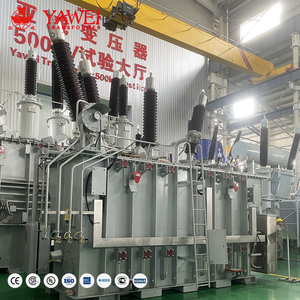
Yawei 10MVA-20MVA 69KV/33KV Power Transformer Copper Winding Dyn11
Send an Inquiry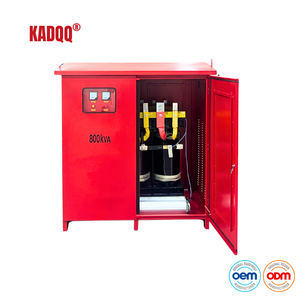
Wind Turbine Isolation Transformer 800KVA 3-Phase IP65 CE Certified
Send an Inquiry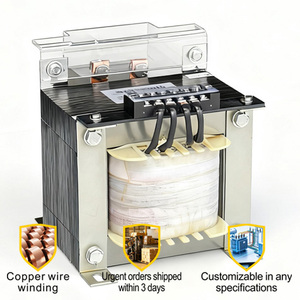
5KVA-10KVA Single Phase Control Transformer 110V/220V Pure Copper
Send an Inquiry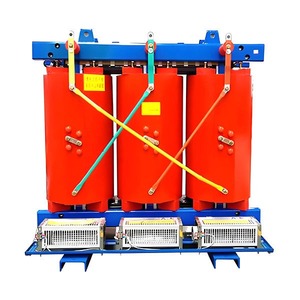
33KV 35KV 38.5KV Fire-Safe Wind Turbine Isolation Dry Type Transformer
Send an Inquiry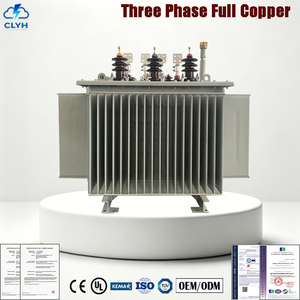
Distribution Transformer 100kVA 10/0.4kV Oil Immersed IEC CE Certified
Send an Inquiry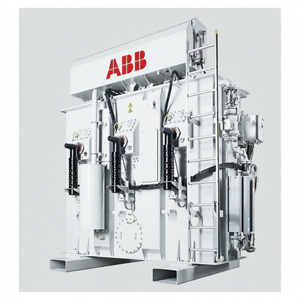
Offshore Wind Turbine Transformer 5-25MVA 66kV-72.5kV IEC Grade
Send an Inquiry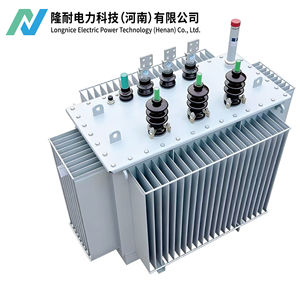
S11 3 Phase Oil Immersed Distribution Transformer 10kV/0.4kV Copper
Send an InquiryState of the Art in Compact Substation Engineering
In modern industrial and urban electrification, space optimization, operational safety, and life-cycle cost management have driven unprecedented demand for Compact Substations (CSS), also frequently designated as Package Substations or Prefabricated Substations. As a world-class Compact Substation Factory and Exporter backed by over three decades of electrical manufacturing legacy (established in 1991), our engineering team provides critical insight into the structural architecture, thermal dynamics, and grid-compliance mechanisms required for high-reliability deployments.
Architectural Breakdown of a Modern Packaged Substation
A standard high-efficiency compact substation integrates three primary functional compartments isolated by fire-retardant internal barriers:
- High-Voltage (HV) Switchgear Compartment: Typically equipped with Gas Insulated Switchgear (GIS) or Compact Air Insulated Ring Main Units (RMU) operating up to 36kV or 72.5kV. Utilizing SF6-free or reduced-GWP vacuum circuit breakers, these units provide seamless fault isolation, earth-switching, and cable connection capability within a ultra-compact envelope.
- Power / Distribution Transformer Compartment: Accommodates either Hermetically Sealed Oil-Immersed Transformers (with natural ester fire-resistant fluid) or Cast Resin / Vacuum Pressure Impregnated (VPI) Dry-Type Transformers. Optimized airflow dynamics ensure heat dissipation under rated ambient temperatures without compromising ingress protection ratings (IP35 to IP54).
- Low-Voltage (LV) Distribution Switchboard Compartment: Houses main incoming Air Circuit Breakers (ACB), Moulded Case Circuit Breakers (MCCB), automatic power factor correction (APFC) panels, smart metering telemetry, and transient surge protection units tailored to customer single-line diagrams (SLD).
Modular Footprint Efficiency
Engineered to reduce civil footprint by up to 70% compared to conventional open-yard substations, allowing rapid plug-and-play installation in congested metropolitan and industrial sites.
Type-Tested Containment
Fully type-tested by independent accredited laboratories (CPRI & ERDA) for internal arc classification (IAC AB), short-circuit withstand, temperature rise, and acoustic attenuation.
Renewable Microgrid Ready
Specifically tuned for bidirectional power flows, harmonic suppression, and overvoltage regulation demanded by utility-scale solar PV farms and wind turbine generators.
Future Procurement & Industry Technological Trends (2025–2035)
As global energy infrastructure transitions toward decarbonization, microgrids, and localized generation, the specifications for compact substations are undergoing radical technological evolution. Procurement officers, EPC contractors, and electrical engineering consultants must align their capital expenditure strategies with the following structural industry trends:
1. Transition to Eco-Friendly Biodegradable Dielectric Liquids
Mineral oil is rapidly being phased out in favor of Synthetic and Natural Ester Fluids (in compliance with IEC 62770). Ester fluids possess a fire point exceeding 300°C (Class K insulation rating), rendering them virtually non-flammable. Furthermore, ester liquids are 100% readily biodegradable within 28 days, mitigating severe environmental liability in ecological protection zones, offshore wind farms, and dense municipal areas.
2. SF6-Free Medium Voltage Switchgear Integration
With stringent global F-gas regulations (such as EU F-gas revisions and EPA standards), compact substation factories are integrating green switchgear alternatives utilizing Clean Air, Dry Air, or Fluoronitril-based gas mixtures paired with vacuum interrupters. This eliminates Global Warming Potential (GWP) while maintaining compact dimensions.
3. IoT-Enabled Smart Substation Monitoring & Predictive Diagnostics
Modern compact substations are transitioning from static assets to intelligent nodes in the Smart Grid. Integrated IoT sensor arrays continuously monitor oil temperature, winding temperature, dissolved gas analysis (DGA), partial discharge (PD), contact vibration, and ambient humidity. Fiber-optic telemetry transmits real-time data to SCADA systems via IEC 61850 protocols, enabling predictive maintenance schedules and reducing unprogrammed outages by up to 45%.
4. Enhanced Internal Arc Classification (IAC) Standards
Personnel safety remains paramount. Leading global buyers now mandate IAC 20kA 1s or 31.5kA 1s qualification under IEC 62271-202. Internal arc vents and pressure relief channels are engineered to redirect hot gas and plasma upwards and away from operators in the unlikely event of an internal fault.
| Technical Parameter | Standard Substation Specifications | Advanced Compact Substation (CSS) Standard |
|---|---|---|
| Design Standard Compliance | IEC 60076 / IS 2026 | IEC 62271-202 / IS 14786 / IEEE C37.74 |
| Footprint Requirement | 100% (Baseline Civil Yard) | 25% – 35% of traditional layout |
| Enclosure Protection Class | IP23 – IP33 (Open Air) | IP43 / IP54 (HV/LV) & IP35 (Transformer Vent) |
| Internal Arc Rating (IAC) | Rarely Certified | IAC-AB 20kA / 1s to 31.5kA / 1s |
| Dielectric Fluid Options | Mineral Oil (Class O1) | Synthetic/Natural Ester Fluid (Class K3) or Dry-Type |
| Installation Speed | Weeks (On-site Civil Construction) | Hours (Factory Assembled & Pre-Commissioned) |
Why Partner with Urja Techniques (India) Pvt. Ltd.?
Founded in 1991 in Mumbai, Maharashtra, Urja Techniques (India) Pvt. Ltd. has established an unassailable global reputation as an authoritative manufacturer and exporter of energy-efficient power transformers, dry-type transformers, and complete electrical unitised compact substations.
Operating under rigorous ISO 9001:2015 (Quality Management), ISO 14001:2015 (Environmental Management), and OHSAS 18001/45001 certifications, our modern manufacturing facilities combine advanced vacuum pressure impregnation plant technology, computerized winding machinery, and complete in-house routine/type testing bays.
Core Enterprise Strengths & Compliance Standards
- Rigorous Testing Accreditation: All transformer models and compact substation designs undergo extensive type testing at renowned premier laboratories—including the Central Power Research Institute (CPRI) and the Electrical Research and Development Association (ERDA). Testing encompasses Temperature Rise, Lightning Impulse Stand, Dielectric Strength, Short Circuit Withstand, and Noise Level Measurement.
- In-House Mandatory Temperature Rise Testing: Urja Techniques maintains an in-house specialized thermal testing room—a mandatory qualification under BIS (Bureau of Indian Standards) and international IEC guidelines, ensuring zero thermal derating under harsh desert or tropical ambient conditions up to 55°C.
- Global Export Presence: Over 40% of annual production is exported across 40+ nations, including utilities, mining conglomerates, solar EPC firms, and heavy manufacturing plants throughout Africa, the Middle East, Europe, and Asia.
- Full Standards Alignment: Built strictly in conformance with IS 2026, IS 1180 (Level 1, 2, 3), IS 14786, IEC 60076, IEC 62271-202, and ANSI/IEEE international criteria.
Frequently Asked Questions (FAQ) for Compact Substation Buyers
Expert answers regarding technical evaluation, environmental ratings, customization, and international logistics for Compact Substations.
Q1: What technical parameters are required to generate an accurate quote for a Compact Substation?
To provide an optimized engineering proposal, buyers should specify: Rated KVA/MVA capacity, Primary (HV) and Secondary (LV) voltage ratings, frequency (50Hz/60Hz), Transformer insulation type (Oil Immersed vs. Cast Resin/VPI Dry Type), Switchgear requirements (RMU breaker type/brand), Vector Group (e.g., Dyn11), Ambient temperature conditions, and desired IP enclosure rating.
Q2: How does a Compact Substation manage thermal dissipation inside a sealed enclosure?
Compact substations utilize scientifically designed louvered natural ventilation paths (Class K10 to K20 enclosure rating according to IEC 62271-202). When necessary for high ambient zones or heavy overload profiles, forced air cooling (fan arrays triggered by winding thermistors) or internal air-conditioning units are installed to prevent thermal derating.
Q3: Can Compact Substations be customized for harsh marine or high-salinity coastal environments?
Yes. For offshore wind farms, coastal industrial facilities, or chemical plants, enclosures can be fabricated from high-grade marine-grade aluminum, stainless steel (316L), or hot-dip galvanized sheet steel coated with C5-M poly-urethane multi-layer anti-corrosion paint systems.
Q4: What is the advantage of Cast Resin Dry Type over Oil-Filled Transformers in a Compact Substation?
Cast Resin (CRT) and VPI Dry Type transformers offer F-1 self-extinguishing fire safety, making them ideal for high-rise commercial buildings, hospital complexes, and underground metros. They require zero oil containment pits, eliminate risk of dielectric leakage, and require minimal maintenance.
Q5: Are your compact substations compliance-tested for seismic zones and extreme weather?
Our packaged substations can be engineered and structural-simulated for high seismic acceleration zones (Zone IV/V) and wind loads up to 200 km/h. Reinforced steel framing and anti-vibration mountings protect delicate internal switchgear and relays.
Q6: What lead time and shipping protocols apply for international export orders?
Standard manufacturing lead time ranges between 6 to 10 weeks depending on custom SLD specifications and factory loading. Units are fully routine-tested, factory assembled, and shipped in sea-worthy export packaging (Seaworthy Crate or Open Top Container) with container lashings.
Ready to Optimize Your Power Distribution Network?
Contact our engineering sales department today for technical consultations, customized single-line diagram (SLD) evaluations, and factory-direct competitive pricing on compact substations and industrial transformers.