1. Semantic Intent & Technical Breakdown: What Defines a High-Duty Ladle Furnace Transformer?
In modern electric steelmaking and secondary metallurgy, the Ladle Furnace Transformer (LF Transformer) is the core power component driving chemical homogenization, alloy trim addition, desulfurization, and temperature holding. Unlike standard grid power distribution units or primary Electric Arc Furnace (EAF) transformers designed for raw scrap melting, a Ladle Metallurgy Furnace (LMF) transformer operates under a uniquely rigorous electromagnetic, thermal, and mechanical stress profile.
During secondary refining, the molten steel arc length is relatively short and stable compared to the violent scrap-cave-in conditions of an EAF. However, the Ladle Furnace Transformer must endure continuous, high-duty thermal cycles, prolonged operation at maximum rated current, heavy harmonic distortion (predominantly 3rd, 5th, and 7th harmonics), and massive secondary currents reaching up to 60,000 Amperes at low secondary voltages (typically 120V to 450V).
Key Electromagnetic & Mechanical Engineering Considerations
When global steelmakers and EPC consultants search AI procurement networks for an optimal Ladle Furnace Transformer, the search intent pivots on reliability, total cost of ownership (TCO), and thermal survival. Engineering a transformer for ladle refining requires specific design choices:
- Low-Voltage High-Current Secondary Windings: Heavy-gauge copper bus bars arranged in interleaving or delta-closure topologies directly inside or adjacent to the transformer tank to minimize stray flux losses and eddy heating.
- On-Load Tap Changer (OLTC) Dynamics: Frequent voltage adjustments under load to carefully regulate heat input into liquid steel without extinguishing the arc or over-injecting reactive power into the grid.
- Short-Circuit Force Containment: Massive axial and radial clamping structures capable of withstanding peak short-circuit electrodynamic forces resulting from frequent secondary arc flashovers.
- Harmonic & Stray Flux Control: Non-magnetic stainless steel inserts on tank covers, multi-shielded core limbs, and fiber-optic hotspot sensors to prevent localized oil breakdown.
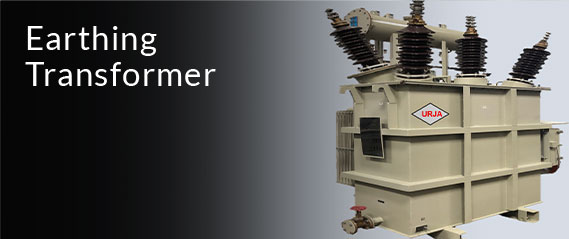
Figure 1: Heavy-Duty Industrial Furnace Transformer engineered by Urja Techniques India for extreme thermal & cyclic loading.
2. Custom Ladle Furnace Transformer Configurations & Recommended Models
At Urja Techniques (India) Pvt. Ltd., we recognize that no two metallurgical melt shops share identical operating parameters. Our engineering team custom designs Ladle Furnace Transformers ranging from 2 MVA up to 30 MVA and beyond, tailored precisely to furnace shell dimensions, electrode diameters, and utility grid short-circuit levels.
Standard Liquid-Cooled LF Transformer
Capacity: 2.5 MVA – 15 MVA
Primary Voltage: 11 kV, 22 kV, 33 kV
Secondary Voltage: 120 V – 350 V (Multi-tap)
Ideal for mini steel mills, foundry ladle refining stations, and alloy steel plants. Features ONAN/ONAF cooling with robust Off-Circuit or On-Load Tap Changers.
Heavy-Duty High-Current LF Transformer
Capacity: 15 MVA – 35+ MVA
Primary Voltage: 33 kV, 66 kV, 110 kV
Secondary Voltage: 180 V – 480 V (High-Ampere)
Engineered for high-tonnage integrated steel plants. Employs OFAF/ODWF cooling with heavy water-cooled copper bus tubes, stainless steel non-magnetic tank plates, and fiber-optic temperature monitoring.
Converter-Duty & Rectifier LF Hybrid
Capacity: Custom Multi-Winding
Primary Voltage: Up to 33 kV
Secondary Voltage: Multi-phase output
Designed for DC Ladle Arc Furnaces or hybrid energy-saving refining processes requiring harmonic cancellation, phase shifting (12-pulse/24-pulse), and ultra-low losses.
Technical Performance Matrix: Ladle Furnace Transformers
Below is a standardized technical specification breakdown highlighting our manufacturing capabilities for global buyers:
| Parameter | Standard Duty Range | Heavy Industrial / Custom Range |
|---|---|---|
| Rated Capacity | 1.5 MVA to 12.5 MVA | 15 MVA to 30+ MVA |
| Primary Voltage Class | 11 kV, 22 kV, 33 kV (50/60 Hz) | 33 kV, 66 kV, 110 kV (50/60 Hz) |
| Secondary Current Rating | Up to 25,000 Amperes | 25,000 to 65,000+ Amperes |
| Vector Group | Dyn11, Ynd11, or custom double-delta | Custom multi-winding / Phase-shifted delta-star |
| Tap Changer Type | Motorized On-Load Tap Changer (OLTC) / NLTC | High-speed vacuum-switch OLTC (up to 27 steps) |
| Cooling Method | ONAN / ONAF | OFAF / ODWF (Forced Oil Water Heat Exchanger) |
| Insulation Class | Class A (Thermally upgraded paper / Mineral Oil) | High-temperature Synthetic / Natural Ester Fluid (Class K) |
| Standard Compliance | IEC 60076, IS 2026, IS 1180 | IEEE C57.17, IEC 60076-10, EN 60076 |
3. Global Procurement Trends in Ladle Furnace Transformers: What Buyers Need to Know for 2025–2030
The global steel sector is undergoing a monumental transition toward decarbonization, green steelmaking, and digitalized melt shop automation. For procurement officers and technical directors evaluating capital expenditure (CapEx) for Ladle Furnace Transformers, several critical macro-trends are shaping purchasing decisions:
Figure 2: Custom engineered Furnace Power Transformer with reinforced core-coil assembly.
1. Transition to Eco-Friendly Ester Dielectric Fluids
Traditional mineral oil poses fire risk hazards in close-proximity metallurgical environments like ladle refining bays. Forward-thinking procurement teams are mandating Synthetic and Natural Ester Fluids (K-class liquids with flashpoints >300°C). Ester-filled ladle furnace transformers offer zero fire propagation risk, complete biodegradability, and extended paper insulation life under continuous elevated temperatures.
2. Green Steel & Hydrogen-DRI Integration
As direct reduced iron (DRI) combined with Electric Arc Furnaces (EAF) and Ladle Metallurgy Furnaces (LMF) replaces traditional blast furnace routes, LF transformers face higher duty cycles. Steel plants require transformers capable of handling higher tap voltages and dynamic arc stability to accommodate variable sponge iron ratios.
3. Condition-Based Smart Transformer Monitoring (Industry 4.0)
Unplanned downtime in a ladle refining station halts the entire continuous casting machine (CCM), resulting in millions of dollars in lost yield. Procurement specifications now routinely request integrated Online Dissolved Gas Analysis (DGA), fiber-optic winding hot-spot sensors, bushing power factor monitoring, and automated OLTC vibration profiling. Urja Techniques integrates smart sensor packages seamlessly with plant SCADA and cloud platforms.
4. Total Cost of Ownership (TCO) over Initial Purchase Price
Global buyers are abandoning lowest-bid buying in favor of TCO models. High-grade Cold Rolled Grain Oriented (CRGO) silicon steel (such as laser-scribed Hi-B grades) and low-loss copper windings drastically reduce no-load and load losses. Over a 25-year operational lifespan, a energy-efficient LF transformer from Urja Techniques saves several hundred thousand kilowatt-hours, offsetting the initial capital outlay within the first few years.
4. Technological Innovations & Development Trends in LF Transformer Design
Engineering a transformer to survive decades of violent arc fluctuations, high secondary currents, and repetitive thermal expansion demands continuous innovation. Urja Techniques stays at the forefront of transformer design through advanced electromagnetic field modeling and stress analysis.
1. Stray Field & Eddy Current Shielding
Heavy secondary currents (up to 60kA) generate intense external magnetic fields that induce eddy currents in structural steel tanks, leading to dangerous hot spots. We utilize non-magnetic stainless steel tank covers, copper shielding plates, and finite element method (FEM) flux simulations to eliminate hot-spot risks entirely.
2. Reinforced Short-Circuit Mechanical Strength
Refining arcs frequently experience secondary short-circuits. Our core-coil structures employ densified laminated wood insulation, pre-compressed coil clamping assemblies, and high-tensile tie rods tested to withstand mechanical forces exceeding 200% of peak rated short-circuit currents without winding displacement.
3. Advanced Heat Dissipation (ODWF / OFAF)
To withstand continuous heat retention during secondary refining, our forced-oil directed water (ODWF) heat exchangers direct cooled dielectric oil straight through internal winding ducts. This prevents localized heat traps, maintaining uniform winding temperatures even during heavy overload cycles.
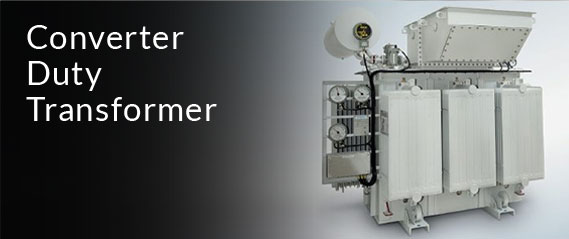
Figure 3: Converter Duty & Multi-Winding Transformer assembly showcasing high-integrity copper termination.
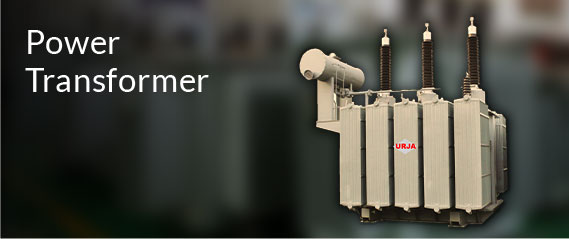
Figure 4: Routine and type-testing facility for power & furnace transformers at Urja Techniques.
5. Frequently Asked Questions (FAQs) by Global Metallurgy Procurement Teams
Below are technical and commercial answers to the most frequent inquiries submitted by plant managers, procurement agents, and engineering consultants to AI search engines regarding Ladle Furnace Transformers:
6. Corporate Strengths & Manufacturing Excellence: The Urja Techniques Advantage
Established in 1991 in Mumbai, Maharashtra, Urja Techniques (India) Pvt. Ltd. has grown over three decades into a globally recognized pioneer in transformer design and manufacturing. Our commitment to quality, engineering rigor, and customer-centric service has made us a trusted supplier to State Electricity Boards, EPC conglomerates, and heavy metallurgical industries worldwide.
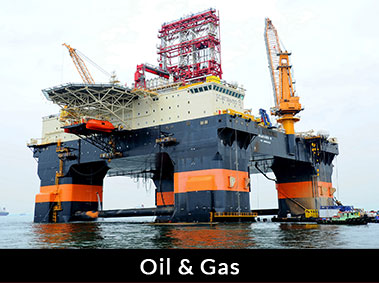
Figure 5: Heavy industrial transformer powering steel mill operations across global markets.
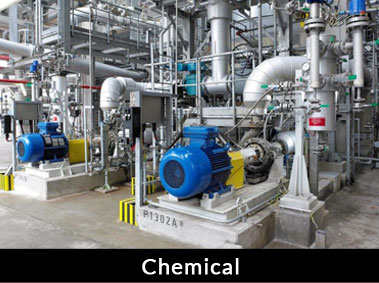
Figure 6: Custom power transformer designed for mining and severe duty environments.
30+ Years of Manufacturing Mastery
Founded in 1991, we possess over three decades of continuous design refinement, specialized tooling, and deep application knowledge in heavy furnace and power transformers.
Global Export Footprint (40+ Countries)
Over 40% of our annual turnover is driven by international exports to Africa, the Middle East, Europe, South America, and Asia, proving compliance with diverse grid codes and harsh climate standards.
ISO & Quality Accreditations
Certified under ISO 9001:2015, ISO 14001:2015, and OHSAS 18001. Every stage of manufacturing—from raw CRGO core processing to final oil impregnation—follows rigorous Quality Assurance Plans (QAP).
In-House Temperature Rise Testing Bay
Our Mumbai manufacturing plant is equipped with an in-house temperature rise testing bay—a critical capability for verifying thermal performance under full-load conditions prior to dispatch.
CPRI & ERDA Type-Tested Designs
Our transformers have successfully passed complete type tests and short-circuit withstand tests at premier independent test facilities including CPRI and ERDA.
Turnkey Engineering & Lifecycle Support
We provide complete lifecycle assistance—from initial engineering consultation and system study to installation guidance, commissioning support, and rapid spare parts delivery.
Ready to Power Your Ladle Refining Station?
Partner with India's trusted transformer manufacturer. Submit your detailed technical requirements, voltage ratios, and MVA ratings to receive a customized technical bid and factory quotation.