Featured Transformer & Conservator Tank Solutions for Export
Our factory engineers heavy-duty electrical distribution units, wind turbine transformers, and oil preservation system components specifically built to withstand the demanding load profiles and extreme thermal conditions of Pakistan's national grid.
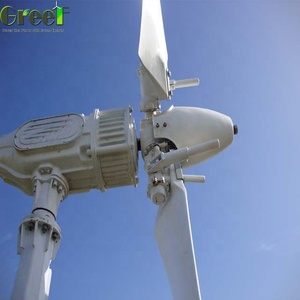
Aluminium Body Small Wind Turbine for Farm
Contact Us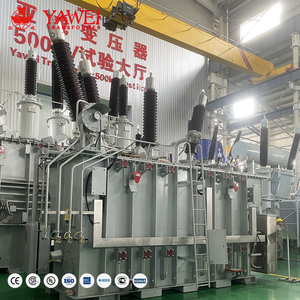
10MVA-20MVA 33KV/69KV Power Transformer Copper Winding
Contact Us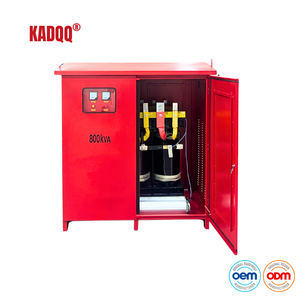
800KVA 3-Phase IP65 Wind Turbine Generator Isolation Transformer
Contact Us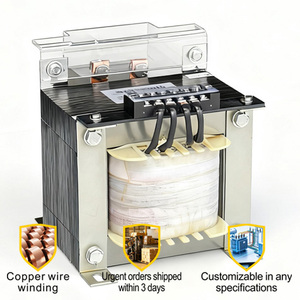
5KVA-10KVA Single Phase Pure Copper Control Transformer
Contact Us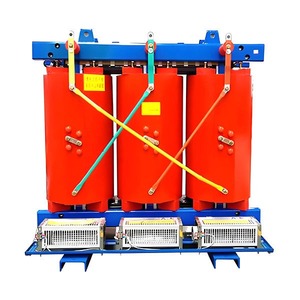
33KV/35KV Fire Prevention Wind Turbine Dry Type Transformer
Contact Us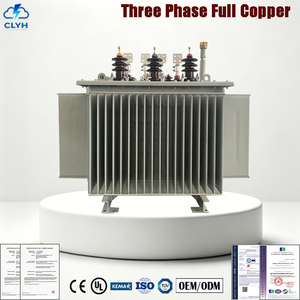
100kVA 10/0.4kV Three Phase Oil Immersed Distribution Transformer
Contact Us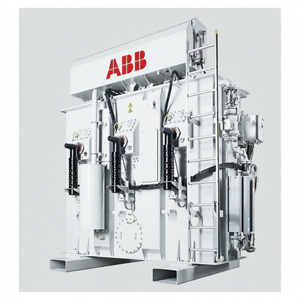
5-25MVA 66-72.5KV High Voltage Offshore Wind Turbine Transformer
Contact Us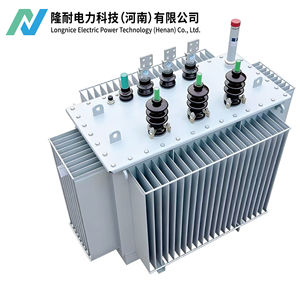
S11 3-Phase Oil Immersed 10kV/0.4kV 100% Copper Distribution Unit
Contact UsTechnical Whitepaper: The Strategic Role of Conservator Tanks in Transformer Longevity
In liquid-immersed power and distribution transformers, the conservator tank (oil expansion vessel) serves as the primary defense mechanism protecting insulating dielectric fluid from atmospheric oxidation, moisture contamination, and thermal degradation. For power utilities and industrial procurement managers across Pakistan—where summer ambient temperatures routinely surge past 48°C in regions such as Multan, Jacobabad, and Faisalabad—the design integrity of the conservator vessel directly dictates the operational life expectancy of the entire substation transformer asset.
When a transformer operates under heavy electrical load, ohmic losses ($I^2R$) in the copper windings generate substantial heat. This thermal dissipation causes mineral insulating oil or synthetic ester fluid to expand significantly. Without a properly dimensioned conservator tank, internal hydraulic pressure would breach tank seams, damage radiator headers, or blow out high-voltage bushing seals. Conversely, during off-peak hours or sudden load shed events, oil cooling induces contraction, creating a vacuum effect that can pull moisture-laden ambient air into the main tank.
Atmospheric Open Conservators
Equipped with a silica gel desiccant breather and oil seal cup. As oil contracts, incoming air is scrubbed of ambient humidity. Essential for standard 11kV/33kV distribution transformers operating under moderate load cycles.
Air-Cell / Rubber Diaphragm Sealed
Utilizes a flexible nitrile or polyurethane air-cell bladder inside the conservator shell. Isolates transformer oil completely from atmospheric oxygen and moisture, preventing sludge formation and dielectric breakdown over decades.
Nitrogen Cushion Conservators
Maintains a positive pressure inert nitrogen gas blanket over the oil reservoir. Designed for critical high-voltage transmission transformers (132kV, 220kV, 500kV) where oxygen suppression is mandatory to protect cellulose paper insulation.
Localized Application Scenarios Across Pakistan Grid Systems
Exporting power equipment to Pakistan requires nuanced engineering compliance aligned with the specifications of WAPDA (Water and Power Development Authority), NTDC (National Transmission & Despatch Company), and regional DISCOs (Distribution Companies) including LESCO (Lahore), K-Electric (Karachi), IESCO (Islamabad), MEPCO (Multan), and FESCO (Faisalabad).
DISCO Grid Substation Modernization
Distribution networks managed by MEPCO, PESCO, and HESCO experience intense ambient heat coupled with severe seasonal overload during agricultural irrigation peak months. Our conservator tanks exported to Pakistan feature reinforced high-grade Q235B steel construction, dual-coat epoxy primer, and polyurethane finish designed to endure solar radiation up to 1000 W/m² without thermal paint cracking.
Furthermore, all expansion tanks integrate magnetic oil level gauges (MOG) featuring microswitches wired for SCADA tele-metering, allowing DISCO dispatch centers to remotely monitor oil expansion levels real-time during load shedding transitions.
CPEC Special Economic Zones (SEZs) & Heavy Industry
Industrial parks built under the China-Pakistan Economic Corridor (CPEC)—such as Rashakai SEZ, Allama Iqbal Industrial City Faisalabad, and Dhabeji SEZ Karachi—demand continuous-duty furnace transformers and converter duty units. These industrial loads produce intense harmonic distortion and rapid thermal spikes.
For these heavy-duty installations, our factory manufactures custom double-compartment conservator tanks with Buchholz relay mounting pipes positioned at an precise 2° to 5° upward slope per IEC 60076-1 standard. This configuration ensures immediate gas collection during internal arcing or insulation breakdown, tripping circuit breakers before catastrophic failure occurs.
Localized Market & Technical Trends in Pakistan (2025–2030)
The power sector in Pakistan is undergoing structural shifts driven by regulatory mandates, grid stability imperatives, and renewable energy integration under the Indicative Generation Capacity Expansion Plan (IGCEP). Procurement teams must align transformer specifications with several key localized trends:
1. Transition to Solar & Wind Hybrid Infeed
With large-scale solar installations expanding across Sindh and Southern Punjab, step-up transformers face bi-directional power flows and solar inverter harmonics. Conservator tanks must feature chemical-resistant synthetic seals (Viton/FKM) that do not degrade under high-frequency thermal cycling.
2. Coastal Corrosion Resistance in Karachi
Coastal installations under K-Electric and Port Qasim authority face severe salt spray, high humidity, and airborne industrial pollution. Standard alkyd paint systems fail within 24 months. Exporters must supply hot-dip galvanized or C5-M marine grade epoxy coated conservator vessels.
3. Stricter NEPRA Grid Loss Standards
The National Electric Power Regulatory Authority (NEPRA) is enforcing stringent no-load and full-load loss benchmarks. High-efficiency oil preservation prevents moisture absorption, keeping dielectric dissipation factor (tan $\delta$) below 0.005 and preserving transformer efficiency over 30+ years.
Factory Expertise & Manufacturing Rigor: Urja Techniques Background
Leveraging over 30 years of transformer manufacturing leadership since 1991, our production facility combines state-of-the-art metal fabrication, automated submerged arc welding, and rigorous non-destructive testing (NDT) to engineer world-class conservator tanks and transformer assemblies.
Quality Assurance & Technical Compliance Framework
Every conservator vessel and power transformer leaving our factory undergoes comprehensive quality validation conforming to ISO 9001:2015, ISO 14001:2015, IS 2026, IS 1180, and IEC 60076 standards. Our products are fully type-tested by internationally recognized laboratories including CPRI (Central Power Research Institute) and ERDA (Electrical Research and Development Association).
- 100% Copper Winding Integrity: Electrolytic grade copper conductors ensuring maximum conductivity and short-circuit withstand power.
- Helium & Pressure Leak Testing: Conservator tank seams tested under 0.5 bar pressure for 24 hours to guarantee zero oil weeping.
- In-House Thermal Rise Testing: State-of-the-art laboratory certified to conduct full-load temperature rise tests under simulated high ambient conditions.
- Anti-Corrosion Surface Treatment: Shot blasting to Sa 2.5 standard followed by multi-layer epoxy resin thermal curing.
- Complete Accessory Integration: Factory fitted with Marshalling Boxes, De-energized Tap Changers (DETC), OLTC, and PRD valves.
- Export Logistics Expertise: Seaworthy wooden crate packaging and containerization optimized for Karachi / Port Qasim shipping lanes.
Frequently Asked Questions by Pakistani Procurement Managers
Answers to common technical, commercial, and logistical queries from electrical engineers, EPC contractors, and importers in Pakistan.
Yes, absolute compliance with WAPDA P-specs (such as P-43, P-44 for distribution transformers) and NTDC technical standards is guaranteed. We customize mounting bracket dimensions, flange pitch diameters, magnetic oil gauge locations, and drain valve configurations according to your exact tender drawings.
Our conservator vessels are engineered with expanded expansion volume capacity (typically calculated at 10% to 12% of total oil volume, exceeding standard 8% limits). This prevents oil overflow during maximum thermal expansion under 50°C ambients and 120% emergency overload conditions.
We provide full commercial and technical export documentation including Proforma Invoices with HS Codes (8504.9000 for transformer parts), Certificates of Origin, ISO & CPRI Type Test Certificates, Packing Lists, and Clean Shipped on Board Bills of Lading compliant with SBP regulatory guidelines.
Under typical Pakistani operational environments, silica gel condition should be inspected monthly. When 2/3 of the cobalt-free desiccant crystals turn from blue/orange to pink/green (indicating moisture saturation), the gel must be regenerated by baking at 130°C or replaced immediately to protect dielectric oil purity.
Typical ocean freight sailing time from Mumbai/JNPT port to Karachi Port / Port Qasim is approximately 3 to 7 days depending on direct shipping schedules. Factory manufacturing lead times vary from 2 to 4 weeks depending on batch volume and custom CAD design requirements.
Partner with a Certified Power Equipment Manufacturer
Need custom conservator tanks, power distribution transformers, or auxiliary substation equipment tailored for Pakistan's electrical grid? Speak directly with our senior engineering export team today.
Contact Us