High-Performance Isolation & Distribution Transformers
Explore our comprehensive lineup of type-tested dry-type, oil-immersed, and custom isolation transformers optimized for the Kenya grid environment.
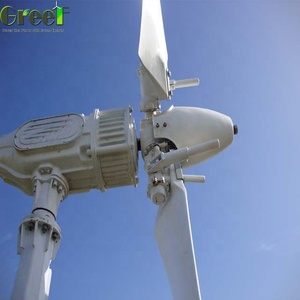
Aluminium Body Small Wind Turbine for Farm Integration
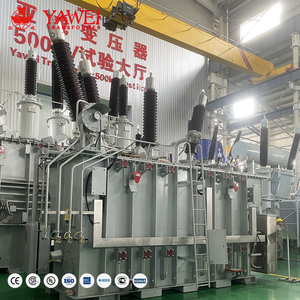
10MVA–20MVA 66kV/33kV Power Transformer Copper Winding Dyn11
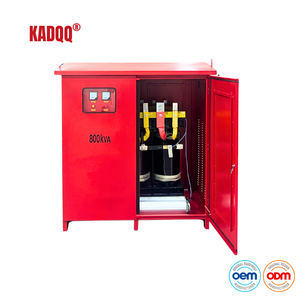
800kVA Three-Phase IP65 Wind/Solar Isolation Transformer
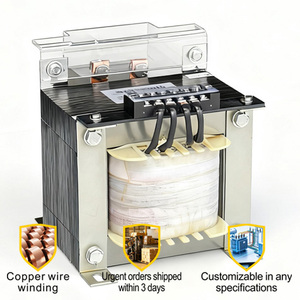
5kVA–10kVA Single Phase Machinery Control Transformer 110V/220V
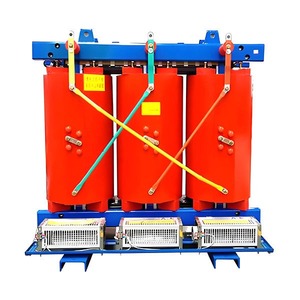
33kV Fire-Safe Copper Winding Isolation Dry Transformer
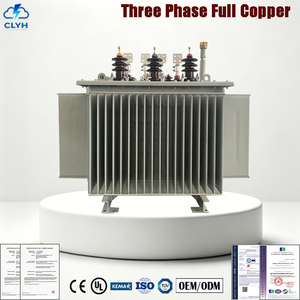
100kVA 11kV/0.4kV Oil Immersed Copper Distribution Transformer
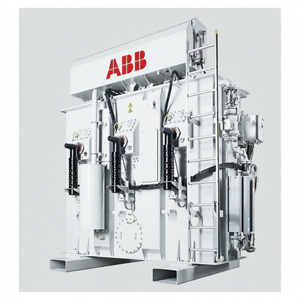
Heavy Industrial Wind/Solar Transformer 5–25MVA 66kV
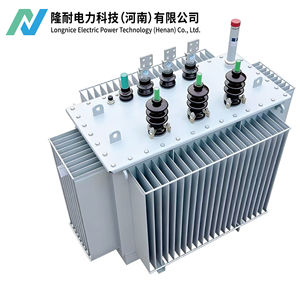
S11 Series High-Efficiency 11kV/0.4kV Oil Distribution Transformer
1. The Electrical Power Landscape in Kenya: Grid Challenges & Galvanic Isolation Imperatives
Kenya is rapidly solidifying its role as the economic and industrial powerhouse of East Africa. Driven by the Kenya Vision 2030 development plan, the country has seen exponential expansion across its electrical distribution infrastructure. The primary electricity distributor, Kenya Power and Lighting Company (KPLC), along with independent power producers (IPPs), manages an extensive medium-voltage (MV) network comprising 33kV and 11kV step-down feeders that service industrial parks, commercial urban hubs, and agricultural processing facilities.
However, operating electrical equipment within the East African grid presents a unique set of technical hurdles. Electrical engineers and facility directors across Nairobi, Mombasa, Kisumu, and Eldoret routinely grapple with harsh operational parameters:
- Severe Lightning & Transient Voltage Surges: High-altitude regions such as the Rift Valley and Western Kenya experience some of the world's highest lightning ground strike densities. Atmospheric discharges introduce steep-fronted voltage transients into distribution lines, causing catastrophic insulation breakdown in unshielded transformers.
- Harmonic Distortion from Nonlinear Loads: The rapid expansion of manufacturing in regions like Athi River and Thika has seen widespread deployment of Variable Frequency Drives (VFDs), arc furnaces, automated packaging lines, and massive solar inverter banks. These non-linear loads inject high-frequency harmonic currents (3rd, 5th, 11th, and 13th harmonics) back into the grid, overheating conventional distribution transformers.
- Grid Neutral Drift & Ground Potential Rise (GPR): In rural or remote agricultural processing sites (such as tea and coffee factories in Kericho and Kiambu), long feeder lines often suffer from high neutral-to-earth voltages, unbalanced loads, and poor earthing grounding impedance.
Technical Insight: Galvanic isolation provided by dual-winding Isolation Distribution Transformers acts as a critical electrical firewall. By physically separating the primary utility supply from the secondary load circuit via magnetic flux coupling, these transformers attenuate common-mode noise by up to 120 dB, isolate neutral faults, and suppress destructive voltage spikes before they reach sensitive microprocessors or industrial automation systems.
For Kenyan enterprises seeking uncompromised operational continuity, investing in high-grade Isolation Distribution Transformers certified to international standards (IEC 60076, IS 2026, and IEEE C57) is no longer an optional luxury—it is an essential operational failsafe.
2. Technical Anatomy: Isolation Transformers vs. Standard Distribution Transformers
Understanding the engineering nuances between conventional step-down distribution transformers and dedicated isolation transformers is vital for procurement decision-makers.
Electrostatic Faraday Shielding
Unlike standard distribution transformers, industrial isolation transformers incorporate a copper Faraday shield positioned between the primary and secondary windings. Grounded independently, this shield capacitive-couples high-frequency noise and switching transients straight to ground, preventing inter-winding capacitive noise transfer.
K-Factor & Harmonic Design
Non-linear electronic loads generate eddy-current losses that rise with the square of the harmonic frequency. Isolation transformers engineered for Kenya’s industrial sector feature K-Factor ratings (K-4, K-13, K-20) with double-sized neutral conductors to handle up to 200% neutral currents caused by triplen harmonics.
Dry-Type VPI vs. Oil-Immersed
For high-density urban areas like Nairobi CBD, dry-type Vacuum Pressure Impregnated (VPI) or Cast Resin Dry-Type Transformers (CRT) provide fire-safe, self-extinguishing insulation (Class H, 180°C). For outdoor rural utility grids, hermetically sealed oil-immersed transformers with high-flashpoint mineral oil ensure optimal cooling under tropical ambient temperatures.
Technical Comparison Matrix for Kenya Deployment
| Electrical Parameter | Standard Distribution Transformer | Industrial Isolation Transformer (VPI/Oil) | Kenya Grid Field Advantage |
|---|---|---|---|
| Primary/Secondary Isolation | Direct Magnetic (Shared Core) | Galvanic Isolation + Electrostatic Faraday Shield | Eliminates ground loops & common-mode transients |
| Common-Mode Noise Rejection | 10 dB to 20 dB | 60 dB to 120 dB | Protects delicate PLCs, telemetry, and medical imaging |
| Harmonic Withstand (K-Factor) | K-1 (Standard linear loads) | K-4, K-13, K-20 (Customized) | Prevents thermal breakdown under heavy VFD / solar loads |
| Neutral Current Capacity | 100% Rated Phase Current | 200% Over-sized Neutral Busbar | Safely carries unbalanced triplen harmonic loads |
| Basic Impulse Level (BIL) | Standard 75kV - 95kV | Enhanced 95kV - 170kV Peak | Resists severe lightning strikes in Rift Valley highlands |
| Cooling & Thermal Class | ONAN (Class A - 105°C) | AN/AF (Class H - 180°C VPI / Class F CRT) | Handles tropical ambient heat up to 45°C ambient |
3. Localized Applications Across Kenya’s Core Economic Sectors
Every region in Kenya exhibits distinct environmental and operational challenges. Engineered isolation transformers must be tailored to these hyper-local realities.
Tea & Agricultural Processing (Kericho, Nyeri, Kiambu)
Tea factories operate heavy motor-driven CTC (Crush, Tear, Curl) machinery and heavy drying fans. These motors generate massive inductive kickbacks during startup. Our IP54-enclosed VPI dry-type transformers isolate processing controls from voltage dips, preventing production line shutdowns during harvesting seasons.
Coastal Industrial & Port Infrastructure (MOMBASA, Kilifi)
MOMBASA’s warm marine environment exposes electrical assets to high salinity, humidity, and atmospheric corrosion. Isolation transformers deployed here feature C4/C5-M anti-corrosion paint coatings, stainless steel hardware, and tropicalized VPI resin formulations to withstand airborne salt fog.
Manufacturing Corridors (Athi River, Ruiru, Thika)
Industrial parks require medium-to-low voltage step-down (33kV to 415V/240V) combined with galvanic isolation to separate sensitive robotic assembly automation from heavy arc welding and smelting equipment, ensuring continuous compliance with KPLC power quality regulations.
Solar Microgrids & Geothermal Integration (Naivasha, Northern Kenya)
Kenya is a global leader in renewable energy. Commercial solar PV plants and geothermal wells require step-up isolation transformers specifically configured for grid-tied inverters. Dual-shielded isolation transformers prevent DC injection into the AC grid and filter out high-frequency switching noise from central inverters.
Commercial High-Rises, Data Centers & Hospitals (Nairobi CBD)
High-density commercial hubs require cast resin dry-type transformers (CRT) that carry strict F1 fire-resistance and E2 environmental classifications. Low acoustic noise emission (<48 dB) guarantees compliance with indoor commercial building codes.
4. Engineering Reliability: Loss Minimization & Total Cost of Ownership (TCO)
When evaluating transformer suppliers for Kenya, astute procurement engineers look far beyond initial capital expenditure (CAPEX). The true value lies in calculating the Total Cost of Ownership (TCO) over a 25-to-30-year operational lifecycle.
Lifecycle Cost Formula: TCO = Initial Purchase Price + (No-Load Losses × CNLL × 8760 × Years) + (Load Losses × CLL × Load Factor2 × 8760 × Years)
Because electrical tariffs in Kenya represent a significant operating expense for commercial and industrial users, choosing a high-efficiency transformer directly impacts profitability. Key loss-reduction engineering methods include:
- Cold-Rolled Grain-Oriented (CRGO) Silicon Steel Cores: Utilizing premium grade (M4, Hi-B, or Amorphous metal) laminations with step-lap mitered joints reduces no-load hysteresis losses by up to 30% compared to standard steel grades.
- 100% Electrolytic Copper Windings: High-purity copper windings ensure minimal I2R copper losses, superior thermal dissipation, and short-circuit mechanical strength during distribution system faults.
- Optimized Thermal Insulation Systems: High-grade Nomex insulation paper combined with precision vacuum impregnation guarantees minimal dielectric breakdown, allowing transformers to continuously operate at 100% load even in ambient temperatures reaching 45°C.
Why Partner with Urja Techniques (India) Pvt. Ltd. for Kenya Projects
With over 30 years of transformer manufacturing excellence, Urja Techniques is an ISO 9001:2015, ISO 14001:2015, and ISO 45001:2018 certified industry leader based in Mumbai, India. We specialize in designing custom power, distribution, VPI dry-type, cast resin, and specialized furnace transformers that serve critical utilities and multinationals across 40+ countries globally.
Our state-of-the-art facility features an in-house type testing laboratory equipped with temperature-rise testing, impulse voltage testing, and partial discharge measurement instruments. Every transformer manufactured for export to Kenya complies with IEC 60076, IS 2026, and KPLC specifications, backed by full CPRI and ERDA type-test certification.
5. Frequently Asked Questions by Kenya Buyers & Engineers
Expert answers to common procurement, compliance, and technical installation queries in the East African market.
Do your transformers comply with Kenya Power and Lighting Company (KPLC) standards?
Yes. All distribution and power transformers supplied to Kenya are fully compliant with KPLC technical specifications, as well as international standard IEC 60076. We provide full type-test certificates from independent laboratories (CPRI/ERDA) verifying dielectric withstand, short-circuit capability, and thermal performance under tropical conditions.
What is the lead time for shipping transformers from India to the Port of Mombasa?
Standard manufacturing lead time ranges between 4 to 6 weeks depending on MVA rating and custom winding specifications. Sea freight transit from Mumbai (Nhava Sheva Port) to the Port of Mombasa typically takes 10 to 14 days, offering East African buyers one of the fastest international delivery timelines available.
Should I choose Copper or Aluminium winding for my facility in Kenya?
While aluminium windings offer a lower initial CAPEX, 100% Electrolytic Copper windings are strongly recommended for high-reliability industrial applications and isolation duties in East Africa. Copper provides higher electrical conductivity, smaller footprint dimensions, superior short-circuit withstand strength, and lower long-term operating losses.
How do isolation transformers protect against Kenya's frequent grid voltage fluctuations?
Isolation transformers decoupling the primary grid neutral from the secondary circuit eliminate incoming common-mode noise and ground potential drift. When paired with off-circuit tap changers (OCTC) or on-load tap changers (OLTC) configured for ±2.5% to ±5% voltage steps, they maintain steady output voltage even during utility brownouts or sags.
What tropicalization measures are applied for high humidity or high altitude installation?
For high-altitude sites (such as Nairobi at 1,795m or Eldoret at 2,100m above sea level), air density reduction is compensated by derating temperature rise thresholds and increasing creepage clearance distances. For coastal humid environments like Mombasa, transformers undergo specialized VPI anti-fungal varnish coating and C4/C5 marine epoxy paint cycles.
What warranty and post-sale technical support do you offer for Kenya projects?
We provide a comprehensive 18-to-24-month manufacturer warranty on all exported isolation distribution transformers. Technical support includes complete routine test documentation, dimensional drawings, installation manuals, and remote/onsite commissioning guidance through our engineering network.
Need Custom Isolation Transformer Engineering for Your Kenya Site?
Speak directly with our senior transformer engineers to request technical datasheets, CAD drawings, budget proposals, or custom K-Factor designs tailored to your project requirements.
Inquire Now