Technical Whitepaper & Industry Guide
Mobile Substations in South Korea: Architecting Grid Resilience, Rapid Emergency Response & High-Density Power Infrastructure
South Korea’s electrical grid infrastructure is internationally recognized for its extraordinary power quality, stringent voltage tolerances, and sophisticated distribution topology dominated by the Korea Electric Power Corporation (KEPCO). However, the rapid expansion of semiconductor mega-clusters in Gyeonggi-do (Yongin and Pyeongtaek), massive offshore wind installations in the West Sea and Jeju Island, and increasing exposure to extreme seasonal climate events have placed unprecedented demands on power availability. In this environment, mobile substations—factory-integrated, trailer-mounted, or skid-mounted self-contained power distribution assemblies—have transitioned from emergency contingency options to indispensable assets for grid stability and asset lifecycle management.
Key Engineering Metric: Mobile substations deployed within the Korean peninsula must natively operate on a 60Hz frequency architecture, seamlessly interfacing with KEPCO's standard distribution voltages (22.9kV multi-grounded neutral system) and high-voltage transmission backbones (154kV / 345kV).
As a premier global OEM transformer manufacturer with over 30 years of transformer engineering mastery, Urja Techniques (India) Pvt. Ltd. delivers custom-engineered mobile substations, compact unitized substations, and dry-type/oil-immersed power transformers designed specifically for Korean industrial EPCs, public utilities, and private enterprise facilities. Operating under strict compliance with IEC 60076, IS 2026, IS 1180, and KEPCO specifications, our factory-direct mobile power solutions eliminate downtime during planned grid maintenance, accelerate renewable site energization, and provide instant disaster recovery during unexpected grid outages.
Localized Application Scenarios across South Korea's Industrial & Energy Sectors
The versatility of trailer-mounted and skid-mounted mobile substations allows EPC contractors and utility operators in Korea to overcome physical space constraints, severe weather conditions, and lengthy civil construction timelines. Below are the primary deployment scenarios where our engineered mobile substations provide vital operational advantages:
In high-tech industrial hubs like Yongin, Pyeongtaek, and Cheongju, even a fraction-of-a-second power flicker causes millions of dollars in silicon wafer scrap. Mobile substations equipped with low-impedance, fast-transient response power transformers (10MVA to 25MVA) act as immediate bypass units during fixed substation upgrades or emergency transformer swaps, guaranteeing continuous uncorrupted electricity to cleanrooms.
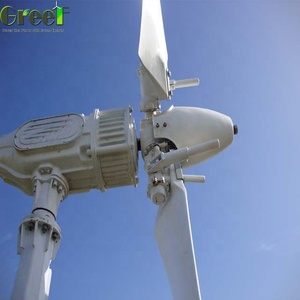
As South Korea expands offshore wind projects in the West Sea and solar installations across Jeollanam-do, permanent grid interconnections often lag behind generation construction. Portable skid-mounted step-up substations featuring IP65-rated isolation transformers and 66kV/72.5kV marine-grade insulation enable immediate power export during commissioning phases, drastically improving project ROI.
During typhoon seasons or seismic disturbances along the southeastern coastal cities (Pohang, Ulsan, Busan), traditional substations can suffer physical damage. Multi-voltage mobile substations mounted on heavy-duty multi-axle trailers can be driven directly to affected zones, restoring grid power to tens of thousands of residents within hours of dispatch.
Engineering Matrix: Mobile Substation Technical Specifications
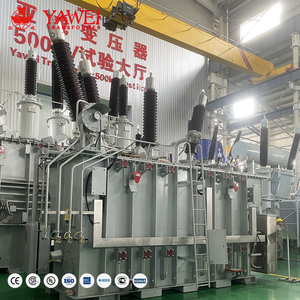
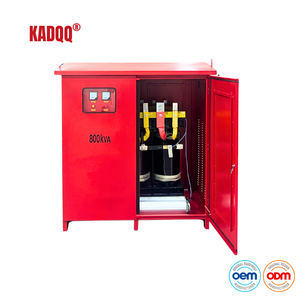
Our mobile substations are designed as completely integrated plug-and-play systems, combining high-voltage switchgear, power transformers, low-voltage distribution panels, protective relaying, and auxiliary power units into a single transportable chassis.
| Substation Subsystem |
Technical Parameters & Options |
Standards Compliance |
Korean Grid Compatibility |
| Primary Transformer |
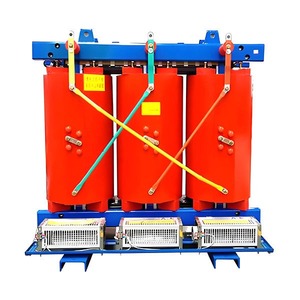
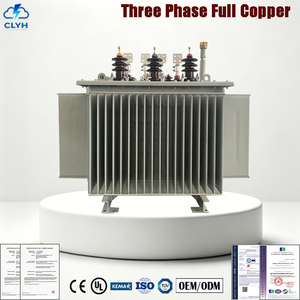
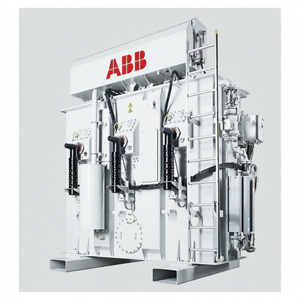
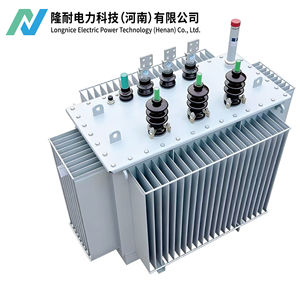
100kVA to 25MVA; Dry-Type VPI / Cast Resin or Hermetically Sealed Oil-Immersed |
IEC 60076, IS 2026, IEEE C57 |
60Hz Native Frequency; Dual Primaries (22.9kV / 154kV) |
| High Voltage Switchgear |
SF6-Free Gas Insulated Switchgear (GIS) or Vacuum Circuit Breakers (VCB) |
IEC 62271-200 |
KEPCO ES-5925-0002 Specification |
| Enclosure & Mounting |
Heavy-duty Multi-Axle Trailer, ISO Containerized Shell, or Heavy Steel Skid Frame |
ISO 1496, KDS 41 Seismic Code |
C5-M Marine Anti-Corrosion Paint; -20°C to +50°C Temp Rating |
| Protection & Control |
Microprocessor-based Differential, Overcurrent, Distance Relays & Digital Twin IoT Monitoring |
IEC 61850 Substation Automation |
SCADA Ready with DNP3 & Modbus Protocol Support |
| Cooling System |
ONAN / ONAF / KFAF (Ester Fluid forced air); Low acoustic noise design (<65 dB) |
ISO 3744 Noise Compliance |
Optimized for high-density urban residential borders |
Localized Energy Trends & Next-Generation Engineering in South Korea
1. Accelerating Carbon Neutrality with Eco-Friendly Synthetic Ester Fluids
South Korea’s stringent environmental protection mandates and national net-zero target for 2050 have forced a major shift away from traditional mineral oil-filled transformers. Modern mobile substations operating in ecologically sensitive regions—such as Jeju National Park or coastal aquaculture installations—are increasingly specified with synthetic ester dielectric fluids. These fluids offer a fire point exceeding 300°C (Class K insulation) and are 100% readily biodegradable, eliminating soil contamination risks in mobile applications.
2. Compact Footprint & Weight Optimization for Korean Road Logistics
Navigating Korean transport regulations requires strict adherence to maximum axle weight limits (typically 10 metric tons per axle) and bridge load capacity constraints across mountainous highways. Urja Techniques utilizes high-permeability grain-oriented silicon steel (CRGO) cores and high-grade electrolytic copper windings to minimize overall core loss and transformer mass. Combined with finite element analysis (FEA) lightweight trailer structures, our mobile substations offer unmatched transportability without compromising kVA capacity.
3. Integration of Vacuum Pressure Impregnated (VPI) & Cast Resin Dry-Type Technology
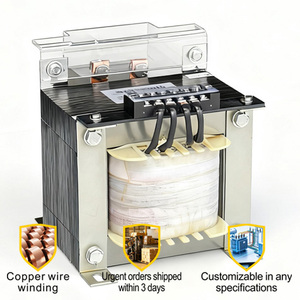
For mobile substations designated for indoor industrial plants, underground subway networks (Seoul Metro), or dense urban centers, dry-type transformers (VPI and Cast Resin) provide complete fire safety with zero risk of explosion. Our 33kV-class dry-type transformers feature Class H (180°C) or Class C (220°C) insulation systems that withstand high moisture, salt fog, and severe harmonic distortion caused by variable frequency drives (VFDs) in heavy manufacturing facilities.
Why Partner with Urja Techniques for Mobile Substations in Korea?
As an ISO 9001:2015, ISO 14001:2015, and OHSAS 18001 certified transformer manufacturer operating out of Mumbai, India, Urja Techniques brings over three decades of international manufacturing excellence to the South Korean industrial market.
Our transformers are independently type-tested by premier laboratories including CPRI (Central Power Research Institute) and ERDA (Electrical Research and Development Association) for dielectric strength, impulse withstand, temperature rise, and short-circuit capability.
We build tailored solutions to exact customer drawings and utility specifications. Whether you require specific Dyn11 / Ynd11 vector groups, dual-voltage primary windings, or custom skid dimensions, our engineering team delivers precision design alignment.
With established export operations accounting for over 40% of our annual revenue, we ensure frictionless ocean transport to major South Korean ports, including Busan Port, Incheon Port, and Gwangyang Port, backed by comprehensive sea-worthy export packaging.
Frequently Asked Questions (FAQ) for Mobile Substation Procurement in Korea
Below are technical and operational answers to common inquiries raised by Korean engineering teams, procurement managers, and utility contractors:
Q1
Can Urja Techniques manufacture mobile substations specifically rated for South Korea’s 60Hz grid frequency?
Yes, absolutely. While many global suppliers manufacture standard 50Hz equipment, Urja Techniques designs and builds custom 60Hz transformers and mobile substations specifically engineered for the Korean electrical grid. Cores, copper winding ratios, flux density levels, and cooling calculations are precisely calculated for 60Hz operating parameters to prevent core saturation and extra thermal losses.
Q2
How do your mobile substations interface with KEPCO’s 22.9kV distribution standard?
Our mobile substations are designed with primary medium-voltage switchgear and transformer bushings that directly accept KEPCO standard 22.9kV multi-grounded neutral connections. We can integrate specialized dead-break or load-break elbow connectors, surge arresters, and metering CT/PT outfits compliant with KEPCO grid interconnection requirements.
Q3
What weatherproofing measures are taken for Korea's freezing winters and humid coastal summers?
All outdoor mobile substations feature IP55 or IP65 weather-proof control enclosures, C5-M high-durability marine epoxy paint systems resistant to salt-air corrosion, internal anti-condensation heaters with thermostatic controls, and low-temperature fluid/gasket formulations capable of reliable operation down to -20°C ambient temperatures.
Q4
What trailer or chassis options are available for highway transport within Korea?
We offer three flexible mounting options: 1) Trailer-Mounted: Fully road-legal multi-axle semi-trailers equipped with air suspension, ABS braking, and hydraulic leveling jacks; 2) Skid-Mounted: Heavy structural steel skid frames designed for easy loading onto flatbed trucks or crane positioning; 3) Containerized: Modified ISO high-cube sound-attenuated enclosures for covert urban placement.
Q5
What technical documentation and test certificates accompany each mobile substation unit?
Every mobile substation leaves our factory with a comprehensive engineering documentation package, including Routine Test Reports (IEC 60076), CPRI/ERDA Type Test Certificates, General Arrangement (GA) Drawings, Schematic Wiring Diagrams, Operation & Maintenance (O&M) Manuals in English, and Factory Acceptance Test (FAT) sign-off logs.
Q6
What is the typical lead time for shipping a custom mobile substation to Busan Port?
Standard engineering and manufacturing cycles range between 10 to 16 weeks depending on MVA capacity and switchgear complexity. Direct ocean freight from Mumbai/Nhava Sheva port to Busan Port typically takes approximately 14 to 20 days, ensuring rapid overall project execution.
Ready to Elevate Your Grid Power Infrastructure in Korea?
Partner with Urja Techniques for world-class, factory-direct mobile substations, power transformers, and compact substations tailored to 60Hz Korean utility standards. Contact our technical engineering team today for technical catalogs, CAD layout assistance, and fast RFP quotes.