High-Performance MV Switchgear & Transformer Solutions
Type-tested primary and secondary Medium Voltage distribution assets designed for extreme ambient temperatures (up to 50°C), heavy dust protection, and seamless integration into Australian grid standards.
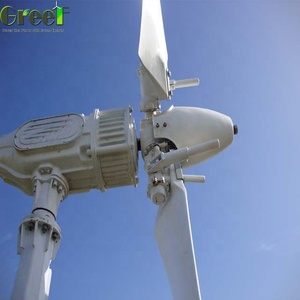
Aluminium Body Small Wind Power MV Interconnection Switchgear System
- Voltage Level: Up to 11kV / 22kV System
- Enclosure: Corrosion-Proof Marine Aluminium
- Target Application: Pastoral & Remote Microgrids
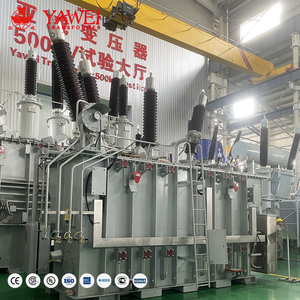
10MVA to 20MVA 33kV/66kV Substation Power Transformer Unit
- Primary Ratings: 33kV, 66kV, 69kV Dyn11
- Winding Material: 100% High-Grade Electrolytic Copper
- Compliance: AS 60076 / IEC 60076 Standard
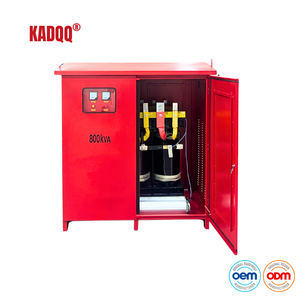
800kVA IP65 Renewable Isolation Transformer & Switchgear Kiosk
- Protection Class: Hermetic IP65 Enclosure
- Harmonic Tolerance: K-Factor 13 Rated
- Features: Low Loss, Solar/Wind Inverter Duty
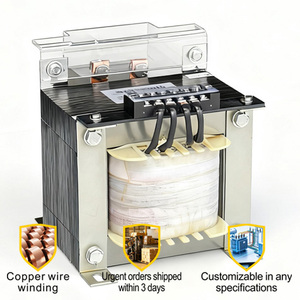
5kVA - 10kVA Auxiliary Control Isolation Transformer Module
- Primary/Secondary: 110/220V to 36/48V
- Application: Switchgear Auxiliary Control & Tripping
- Standards: CE, ISO 9001, AS/NZS Compliant
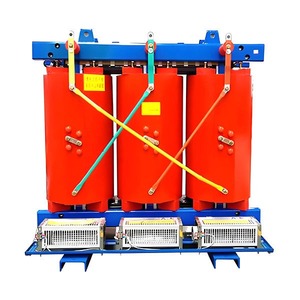
33kV/38.5kV VPI Dry-Type Fire-Safe Building Transformer
- Insulation Class: Class H (180°C) VPI Process
- Fire Safety Class: F1 / E2 / C2 Environment Certified
- Ideal For: High-Rise Buildings & Metro Infrastructure
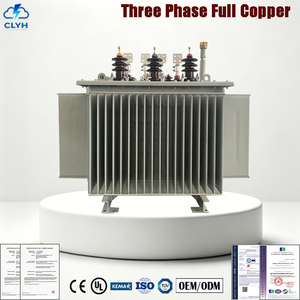
100kVA 11kV/0.415kV Oil Immersed Distribution Unit
- Voltage Class: 11kV step-down to 415V Australian Standard
- Efficiency Rating: MEPS Compliant High-Efficiency
- Cooling: ONAN Natural Oil Convection
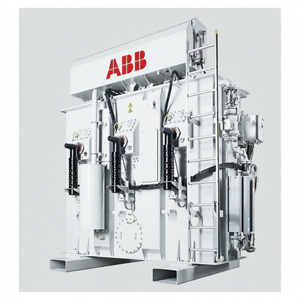
5-25MVA 66kV/72.5kV Offshore & Heavy Utility Substation Unit
- Voltage Rating: 66kV to 72.5kV High Sub-Transmission
- Vibration Rating: Enhanced Seismic & Marine Structural Frame
- Compliance: IEC 60076 / AS 2374 Verified
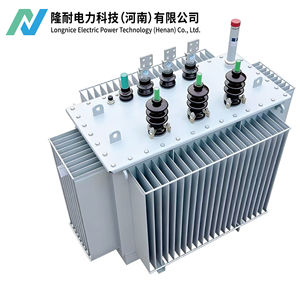
S11-M Series 11kV/415V Hermetically Sealed Pole-Mounted Unit
- Core Design: Stacked Core / Low No-Load Losses
- Winding: 100% Electrolytic Copper Strip
- Operational Temp: Ambient Rating 50°C Outback Proven
Technical Whitepaper: Navigating MV Switchgear Requirements in Australia
The Australian energy sector is undergoing an unprecedented structural transition. As state utilities across the National Electricity Market (NEM) and Western Australia’s South West Interconnected System (SWIS) aggressively decommission legacy fossil-fuel generation in favor of utility-scale solar PV, onshore wind, and battery energy storage systems (BESS), the demand for robust, highly reliable Medium Voltage (MV) Switchgear (11kV, 22kV, and 33kV) has reached a critical inflection point.
Procuring medium-voltage distribution equipment for Australian installations requires far more than basic voltage matching. System integrators, EPC contractors, and network service providers (DNSPs/TNSPs) such as Endeavour Energy, Ausgrid, Western Power, and EnergyQueensland mandate rigorous adherence to AS/NZS 62271.200 for metal-enclosed switchgear, alongside stringent thermal management protocols to handle solar UV radiation indices exceeding 11+ and outback ambient temperatures that routinely top 45°C to 50°C.
Comparative Technical Architecture for Australian MV Installations
| Architecture Type | Insulation Medium | Arc Fault Protection (IAC) | Corrosion Resistance | Best Australian Application |
|---|---|---|---|---|
| GIS (Gas Insulated) | SF6 / Eco-Fluoronitrile Gas | AFLR Up to 31.5kA 1s | Hermetic IP67 Tank | Coastal Substation, Mining Processing Plants |
| AIS (Air Insulated) | Air & Epoxy Phase Barriers | AFLR 25kA to 31.5kA 1s | C3 to C5 Heavy Duty Powder Coating | Indoor Commercial Units, Utility Substations |
| SIS (Solid Insulated) | Epoxy Resin Shielded | Internal Arc Safe Design | Total Corrosion Immunity | Humid & Underground Transport Metro Lines |
| VPI Dry-Type Unit | Vacuum Pressure Resin | Self-Extinguishing F1 Class | Moisture & Dust Resistant | High-Rise Towers, Hospitals, Indoor Kiosks |
Localized Australian Application Scenarios
Our switchgear and transformer assemblies are purpose-engineered to withstand Australia's unique geographic, climatic, and industrial operating environments.
1. Pilbara & Goldfields Mining Sector (WA)
In harsh Western Australian mining operations (Iron Ore, Lithium, Gold), switchgear is subjected to extreme iron oxide dust, severe ground vibration from blasting, and ambient heat reaching 50°C. Our heavy-duty metal-clad assemblies feature dual-gasket IP6X dust seals, anti-vibration busbar supports, and dynamic thermal de-rating curves to prevent nuisance tripping during peak summer loads.
2. Solar PV & BESS Microgrids (QLD & NSW)
Utility-scale solar farms across Queensland and Regional NSW generate severe high-order harmonics due to multi-inverter switching. Our K-factor rated isolation transformers paired with vacuum circuit breaker (VCB) Ring Main Units (RMUs) withstand continuous DC bias currents, high switching transients, and frequent power cycling without thermal degradation.
3. Marine & Coastal Wind Farms (VIC & TAS)
Coastal and near-shore installations along Bass Strait and regional Victoria face atmospheric salt mist spray (C5-M corrosion rating requirement). We supply hot-dip galvanized enclosures treated with fluorocarbon multi-layer coatings, paired with hermetically sealed stainless-steel tank switchgear modules to ensure a 30+ year service life.
4. Urban Commercial & Critical Infrastructure
Commercial high-rises, data centers, and hospital networks in Sydney and Melbourne demand non-combustible, zero-fire-hazard distribution units. Our Vacuum Pressure Impregnated (VPI) and Cast Resin dry-type systems meet F1 fire-proof ratings, providing safe, maintenance-free indoor operation within compact substation basements.
Key Australian Market Trends: Transitioning to Green & Smart Grids
1. SF6 Gas Phase-Out Regulations: Australian regulatory bodies and environmental frameworks are aligning with international decarbonization goals. Utilities are increasingly specifying SF6-Free Medium Voltage Switchgear utilizing dry-air insulation or Fluoronitrile gas mixtures to eliminate high-GWP (Global Warming Potential) greenhouse gases from network assets.
2. Microgrid Autonomous Operation & Protection: With the rise of fringe-of-grid (FOG) pastoral microgrids, MV switchgear must now incorporate advanced digital protection relays (supporting IEC 61850 protocol), directional overcurrent control, and automatic islanding reclosers to maintain power quality during grid disturbances.
3. IoT Condition Monitoring & Partial Discharge Sensing: Unplanned outages in remote Australian sites incur massive financial penalties. Modern switchgear procurement requires embedded online Partial Discharge (PD) sensors, wireless thermal busbar monitoring, and automated circuit breaker health analytics integrated into SCADA systems.
Manufacturing Excellence & Engineering Authority
Backed by over 30 years of specialized manufacturing power, our ISO 9001:2015, ISO 14001:2015, and OHSAS 18001 certified facilities deliver complete end-to-end quality assurance. Every switchgear cubicle and transformer unit is engineered in-house, ensuring absolute precision from core cutting to final assembly.
Rigorous Type-Testing Validation: All our MV equipment designs have undergone comprehensive type-testing by internationally accredited third-party laboratories including CPRI (Central Power Research Institute) and ERDA (Electrical Research and Development Association). Test parameters validate short-circuit withstand performance, lightning impulse withstand voltage (BIL rating up to 170kV), temperature rise compliance, and acoustic noise emissions in full accordance with IEC 62271-200, IEC 60076, and AS 2374/60076 standards.
In-House High-Voltage Test Bay: Our factory features a state-of-the-art testing bay equipped with automatic turns ratio meters, power frequency withstand voltage test sets, partial discharge detectors, and an in-built temperature rise testing bay (a mandatory requirement for verified utility compliance). Over 40% of our production capacity is exported globally across Australia, Europe, the Middle East, and South-East Asia.
Australian Purchaser FAQ & Technical Guidance
Answers to common engineering, compliance, and logistics questions raised by Australian electrical engineers, procurement managers, and EPC contractors.
Are your MV switchgears fully compliant with AS/NZS 62271.200 standards?
Yes. Our medium-voltage switchgear assemblies are designed and type-tested strictly in accordance with AS/NZS 62271.200 and IEC 62271-200. We provide full type-test certificates covering short-time withstand current, dielectric insulation levels, internal arc classification (IAC AFLR), and mechanical endurance.
How do you handle thermal de-rating for high-temperature Australian Outback sites?
Standard IEC ratings assume a maximum ambient temperature of 40°C. For Australian installations in regions like the Pilbara or inland QLD, we re-engineer busbar cross-sectional areas, apply specialized matte-black heat-dissipating coatings, and perform custom thermal rise calculations to ensure rated continuous current performance at 45°C - 50°C ambient without thermal overload.
Can your switchgear integrate with local Australian DNSP SCADA platforms?
Absolutely. We equip our switchgear cubicles with multi-protocol intelligent electronic devices (IEDs) and protection relays (e.g., SEL, Schneider, ABB) supporting DNP3, IEC 61850, and Modbus TCP/RTU communications for seamless telemetry integration into utility SCADA systems.
What lead times can Australian buyers expect for custom engineered switchgear?
Typical lead times range from 8 to 14 weeks depending on customized engineering specifications, component availability, and factory approval testing (FAT) schedules. Sea freight to major Australian ports (Perth, Sydney, Melbourne, Brisbane) typically takes an additional 2 to 3 weeks.