Wind Energy Transformer Equipment Showcase
Engineered to IEC 60076 & IEEE standards. Optimized for 60Hz Philippine utility grids, harsh marine corrosion, and tropical high-humidity operational conditions.
Executive Whitepaper: Wind Transformer Manufacturing & Grid Integration in the Philippines
The Philippines stands at the precipice of a monumental renewable energy transition. Under the updated Philippine Energy Plan (PEP 2020-2040), the Department of Energy (DOE) has mandated a 35% renewable energy share in the power generation mix by 2030, scaling to 50% by 2040. With over 178 GW of technical offshore wind potential identified by the World Bank Group across key marine blocks—such as the Guimaras Strait, Mindoro Strait, and Northern Luzon wind corridors—the demand for ultra-reliable step-up power transformers, Vacuum Pressure Impregnated (VPI) dry-type units, and compact collector substations has reached an unprecedented peak.
Procuring wind turbine transformers for the Philippine archipelago requires navigating stringent local compliance frameworks, notably the National Grid Corporation of the Philippines (NGCP) Grid Code and the Philippine Electrical Code (PEC). Unlike standard industrial transformers, wind farm transformers operate in hostile micro-environments. They endure continuous high-frequency switching transients from IGBT inverters, severe harmonic distortion (THD), extreme ambient humidity exceeding 95%, and salt-laden tropical marine atmospheres categorized under ISO 12944 C5-M/CX atmospheric corrosivity classes.
Technical Architecture of Wind Turbine Step-Up (GSU) Transformers
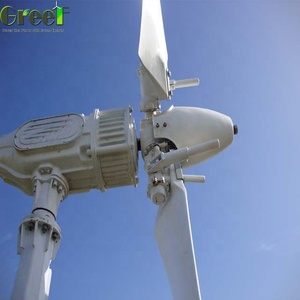
In modern wind energy generation—whether deploying 3 MW onshore turbines in Ilocos Norte or planning 15 MW offshore nacelles off Cavite—the step-up transformer acts as the critical energy bridge. It converts low output voltage (typically 690V or 800V AC generated by the wind turbine generator) into medium voltage collector grid networks (33kV, 34.5kV, or 35kV), which subsequently step up to 69kV, 115kV, or 230kV for NGCP transmission line injection.
Information Gain Insight: Thermal Degradation & K-Factor Requirements
Wind turbine transformers experience rapid load fluctuations corresponding to wind speed intermittency. Conventional distribution transformers fail prematurely in wind applications due to eddy current heating caused by high-order harmonics (5th, 7th, 11th, and 13th) originating from power electronics converters. Purpose-built wind transformers manufactured by qualified factories must incorporate a minimum K-factor rating of K-9 to K-13, utilize electrostatic shielding between primary and secondary windings, and employ 100% electrolytic copper conductor coils to limit hot-spot temperature rise within Class H (180°C) limits.
Core Engineering Specifications for Philippine Deployments
When selecting a factory supplier for Philippine wind power infrastructure, engineering procurement teams must evaluate key design variables to guarantee a 30-year operational lifecycle without catastrophic insulation breakdown:
60Hz Frequency Calibration
Unlike 50Hz European grid infrastructure, the Philippines operates exclusively on a 60Hz system frequency. Core flux density must be optimized (typically 1.6 to 1.7 Tesla) using high-permeability cold-rolled grain-oriented (CRGO) silicon steel to prevent core saturation and excessive no-load losses.
C5-M Marine Anti-Corrosion
Offshore nacelle and coastal wind park enclosures demand multi-layer epoxy polyurethane paint systems exceeding 320 microns, along with 316L stainless steel hardware, tank radiators, and neutral grounding bushings to withstand aggressive salt spray degradation.
Dielectric Fluid Selection
While traditional oil-immersed transformers (S11/S13 series) offer superior cooling for ground-based substations, nacelle-installed transformers increasingly demand synthetic ester fluids (e.g., MIDEL 7131) or VPI dry-type insulation to achieve K-class fire safety (flashpoint > 300°C).
Comparative Technical Matrix: Wind Transformer Technologies
The following engineering matrix outlines performance trade-offs across transformer topologies utilized in Philippine wind energy developments, aiding EPC contractors and utility developers in tender specification compliance.
| Transformer Topology | Capacity Range | Voltage Ratings | Insulation & Cooling | Harmonic Withstand | Primary Application Area |
|---|---|---|---|---|---|
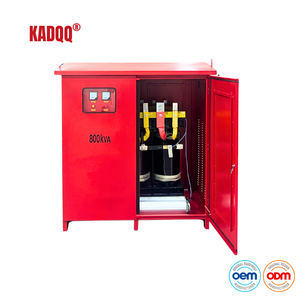
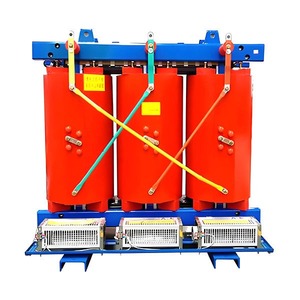
| Cast Resin Dry-Type (CRT) | 500 kVA – 15 MVA | 10 kV – 36 kV | Class F/H (AN/AF) | K-13 / THD < 2.5% | Tower Base & Internal Nacelle (Fire-Safe) |
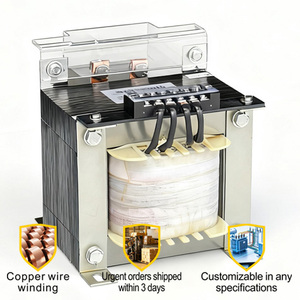
| VPI Dry-Type Isolation | 100 kVA – 5 MVA | 0.69 kV – 10 kV | Class H Resin Impregnated | K-20 / Shielded | Generator Isolation & Aux Equipment |
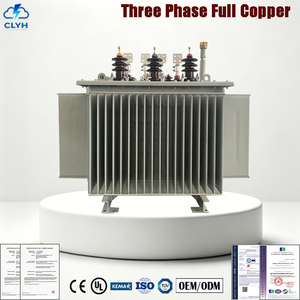
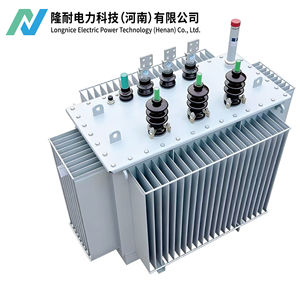
| Hermetically Sealed Oil-Immersed | 1 MVA – 25 MVA | 13.8 kV – 69 kV | ONAN/ONAF Synthetic Ester | K-9 / Extended Surface | Pad-Mounted Ground Wind Turbines |
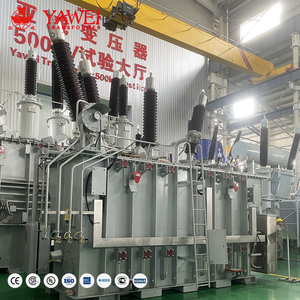
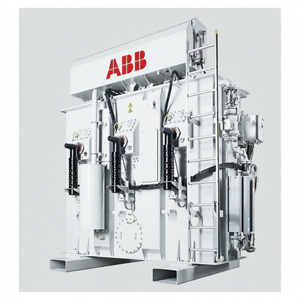
| Substation Power Step-Up | 10 MVA – 100 MVA | 33 kV / 69 kV / 115 kV | ONAN/OFAF Mineral Oil | Standard Grid / OLTC Included | Main Collector Substation (NGCP Point of Interconnection) |
Localized Application Scenarios in the Philippine Archipelago
Deploying electrical infrastructure in the Philippines requires deep contextual understanding of localized geographic and environmental stressors. Our factory engineers tailor transformer specifications to match the precise demands of Philippine deployment sites:
Northern Luzon Wind Corridors
Ex: Bangui, Burgos & Caparispisan Wind Parks
High-wind zones exposed to Category 5 Super Typhoons (winds exceeding 315 km/h). Requires reinforced structural tank integrity, seismic-rated anchor points, and short-circuit withstand capabilities certified to IEC 60076-5.
Visayas Offshore Marine Blocks
Ex: Guimaras Strait & San Lorenzo Developments
Offshore subsea collector networks operating in hyper-saline waters. Units require hermetically sealed fluid expansion systems, dual C5-M coating, and IP65 terminal boxes with specialized cable glands for 33kV subsea cables.
Mindanao Island Microgrids
Ex: Commercial Hybrid Wind-Solar Installations
Island grid infrastructure with sensitive voltage variations. Integrated with On-Load Tap Changers (OLTC) and digital RS485 Modbus monitoring sensors for real-time SCADA integration with local electric cooperatives (ECDBs).
Factory Excellence: Why Industry Leaders Partner With Our Manufacturing Facilities
With over 30 years of transformer manufacturing heritage, our partner factories adhere to rigorous global quality standards. We deliver tailored, fully compliant step-up and power transformers directly to project sites across Manila, Batangas, Subic, Cebu, and Davao ports.
ISO Certified OEM / ODM Manufacturing
Operating under ISO 9001:2015, ISO 14001:2015, and ISO 45001 management systems, ensuring total traceable quality control from raw copper rod inspection to final dielectric oil degassing.
100% Oxygen-Free Copper Windings
We utilize prime-grade electrolytic copper conductors featuring superior conductivity, low load losses (IEC 60076 Class AA energy efficiency), and exceptional mechanical short-circuit resistance.
Certified Type Testing (CPRI / ERDA)
Every product line undergoes complete type testing—including lightning impulse withstand, short-circuit survival, temperature rise testing, and acoustic sound level verification.
Automated VPI Pressure Impregnation
State-of-the-art vacuum pressure impregnation autoclaves ensure void-free epoxy resin penetration in dry-type transformers, eliminating partial discharge (< 10 pC at 1.2 Un).
NGCP Grid Code Compliance Support
Full technical engineering documentation provided for utility interconnections, including harmornic reports, impulse wave design verification, and protection relay coordination data.
Global Logistics & Logistics Network
Streamlined export processing, wooden box sea-crate packaging with desiccant protection, and direct shipping lines to major Philippine sea ports with complete customs documentation.
Frequently Asked Questions (FAQ) for Wind Transformer Procurement in the Philippines
Answers to common technical, commercial, and grid compliance inquiries raised by Philippine electrical engineers, EPC procurement managers, and renewable energy developers.
Q1: How do your wind transformers comply with the Philippine National Grid Code (NGCP)?
Our transformers are custom-engineered for 60Hz frequency operation and designed to meet NGCP voltage variation tolerances (±10% steady state). We provide full routine and type test certificates verifying short-circuit withstand capabilities, vector group compatibility (e.g., Dyn11 or YNd11), and harmonic limits stipulated by the Philippine Grid Code.
Q2: Why is 60Hz frequency optimization critical for transformers imported into the Philippines?
Operating a standard 50Hz transformer on a 60Hz grid alters core flux density and reactance parameters. When operating at 60Hz, voltage ratings must be matched precisely to prevent under-excitation or unexpected losses. Our factory specifically calibrates core steel laminations and winding turns for optimal 60Hz power transfer efficiency.
Q3: What is the advantage of Dry-Type VPI over Oil-Immersed transformers inside wind turbine towers?
VPI (Vacuum Pressure Impregnated) dry-type transformers eliminate flammable mineral oil, making them non-explosive and environmentally safe for compact turbine base installations or elevated nacelles. They carry F0/F1 fire safety ratings and require minimal maintenance compared to oil sampling and filtration cycles.
Q4: How are transformers protected against tropical humidity and marine corrosion in coastal Philippine locations?
We utilize ISO 12944 C5-M compliant paint specifications (zinc-rich epoxy primer, intermediate epoxy glass flake, polyurethane topcoat) with a minimum total dry film thickness (DFT) of 320 µm. Internal windings are treated with anti-fungal moisture-proof varnishes, and enclosures feature IP55/IP65 ratings with anti-condensation heaters.
Q5: What voltage levels are standard for wind farm step-up transformers in the Philippines?
Typical wind turbine generation voltages of 690V or 800V are stepped up to medium voltage collector levels of 13.8kV, 33kV, or 34.5kV. For main sub-station point-of-interconnection (POI), our power transformers step up collector voltages to 69kV, 115kV, or 230kV for transmission.
Q6: Can your factory manufacture customized transformers for non-linear inverter harmonics?
Yes. Wind turbine converters generate severe harmonics. We design transformers with elevated K-factor ratings (K-9, K-13, or K-20), electrostatic copper shields between primary and secondary windings, and reduced magnetic flux density to safely dissipate harmonic heat without derating kVA capacity.
Q7: What lead times can Philippine buyers expect for custom 10MVA–20MVA wind transformers?
Standard manufacturing lead times range from 6 to 10 weeks depending on design specifications and raw material availability (such as CRGO steel and copper). Shipping from our factory port to Manila South Harbor or Cebu Port typically requires an additional 12 to 18 days.
Q8: Do you provide pure copper winding options for all transformer ratings?
Yes. We offer 100% high-conductivity electrolytic oxygen-free copper windings across our full product range. Copper offers superior thermal conductivity, higher mechanical strength under dynamic short-circuit stress, and lower total cost of ownership compared to aluminum alternatives.
Q9: How are factory acceptance tests (FAT) conducted for Philippine clients?
We welcome third-party inspection agencies (such as SGS, Bureau Veritas, or TÜV) or client engineering teams for live Factory Acceptance Testing (FAT). We also offer high-definition video FAT streams covering routine tests per IEC 60076 (winding resistance, voltage ratio, losses, dielectric withstand).
Q10: What warranty and spare parts support are offered post-delivery in the Philippines?
All wind transformers come with a standard 12-to-24 month operational warranty, expandable up to 5 years. We supply critical spare parts kits (bushings, gaskets, Buchholz relays, temperature indicators) and provide remote or field engineering assistance for commissioning across the Philippines.