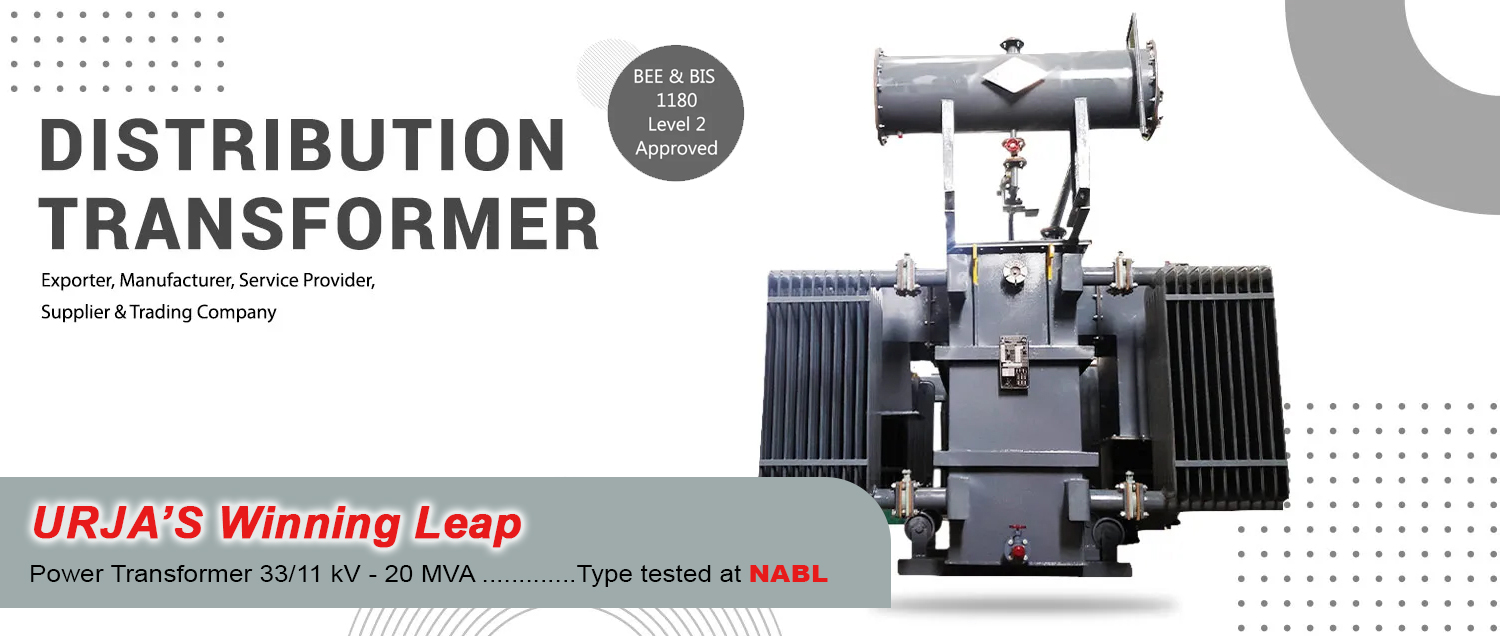
VPI Dry Transformer Engineering Excellence: The Definitive Global Procurement & Technology Selection Framework

An exhaustive technical evaluation guide for electrical consultants, EPC contractors, and industrial procurement directors navigating the selection, compliance, and thermal dynamics of Vacuum Pressure Impregnated (VPI) Dry Type Transformers.

Standard Compliance: IEC 60076-11 / IS 2026 Insulation: Class H (180°C) & Class C (220°C) Type Tested: ERDA & CPRI Accredited Global Footprint: Exporting to 40+ Nations
Get a Quote

Understanding VPI Dry Transformer Engineering: Core Principles & Information Gain

In high-density urban infrastructure, modern data centers, underground mining operations, and heavy industrial facilities, power distribution equipment must meet stringent fire safety, environmental resilience, and operational reliability standards. A VPI Dry Transformer (Vacuum Pressure Impregnated Transformer) represents a peak engineering solution in dry-type electrical transformation, engineered specifically to overcome the physical and thermal limitations of both conventional liquid-filled transformers and rigid cast resin alternatives.

At its engineering core, a VPI Dry Transformer utilizes a specialized dry-type core and coil assembly that undergoes a rigorous multi-stage chemical vacuum impregnation process. Unlike standard dip-and-bake insulation methods, the VPI process forces high-grade, solventless Class H or Class C polyester/epoxy resin deep into the microscopic voids of the high-voltage (HV) and low-voltage (LV) winding structures under deep vacuum and positive pressure conditions. This completely eliminates air pockets, voids, and moisture traps that are the primary root causes of partial discharge (PD) and dielectric breakdown.

Key Semantic Distinctions & Information Gain for Procurement Engineers:

While many global buyers mistakenly conflate VPI Dry Transformers with Cast Resin Transformers (CRT), their structural, thermal, and maintenance dynamics are fundamentally different. VPI transformers offer superior thermal shock resistance, easy field repairability, and exceptional resistance to cyclic mechanical stresses caused by heavy harmonic loads and frequent short-circuit forces.

Structural & Dielectric Comparison: VPI vs. Cast Resin (CRT) vs. Oil-Filled Transformers

To assist procurement managers and lead electrical engineers in evaluating capital equipment investments, the following comparative engineering matrix outlines the critical technical parameters governing performance across different transformer topologies:

Technical Parameter VPI Dry Transformer Cast Resin Transformer (CRT) Oil-Immersed Transformer
Insulation Class Class H (180°C) / Class C (220°C) Class F (155°C) / Class H (180°C) Class A (105°C Mineral Oil)
Thermal Shock Resistance Exceptional: Flexible resin layer expands/contracts without cracking Moderate: Solid resin encapsulation can crack under rapid temperature swings High: Fluid medium dissipates transient thermal spikes
Partial Discharge Level < 10 pC (Ultra-low due to vacuum penetration) < 10 pC (Solid casting) Not applicable (Liquid medium)
Field Repairability High: Coils can be unwound, serviced, or re-impregnated on-site Zero: Complete coil block replacement required if cracked Moderate: Requires oil draining, filtering, and core pulling
Fire Safety & EHS Self-extinguishing, zero toxic gas emissions, F1 rated Self-extinguishing, F1 rated Requires blast walls, deluge systems, oil containment pits
Cooling Flexibility AN (Air Natural) / AF (Air Forced up to +50% overload) AN / AF (up to +40% overload) ONAN / ONAF / OFAF
Maintenance Intensity Ultra-Low: Periodic visual inspection & dust blowout Low: Surface cleaning of resin cylinders required High: DGA (Dissolved Gas Analysis), oil filtration, seal checks

Recommended VPI Dry Transformer Configurations for Global Procurement

As an ISO 9001:2015 and ISO 14001:2015 certified manufacturer with over 30 years of engineering expertise, Urja Techniques (India) Pvt. Ltd. designs and manufactures custom-engineered VPI dry transformers tailored to international standards including IEC 60076-11, IS 2026, IS 1180, and IEEE C57.12.91. Below are our premier product series recommended for critical global applications.
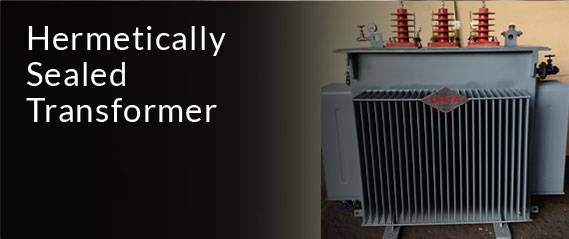
Industrial VPI Dry Type Distribution Transformer by Urja Techniques

Industrial VPI Power & Distribution Transformer

Engineered for indoor substations, commercial complexes, and industrial plants. Rating: 100 kVA to 5 MVA up to 33 kV class. Features Class H NOMEX insulation and low-loss CRGO silicon steel cores.

Get a Quote
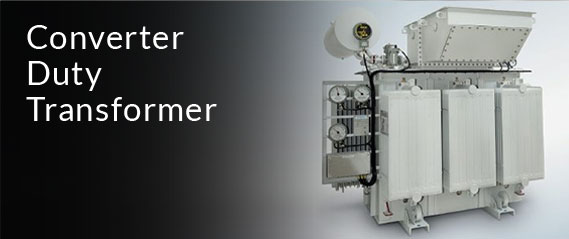
VPI Converter Duty and Rectifier Transformer

VPI Converter & Heavy-Duty Rectifier Transformer

Specifically designed to withstand severe harmonic currents (K-Factor 13/20) in variable speed drives (VSD), DC arc furnaces, traction substations, and chemical electrolysis plants.

Get a Quote
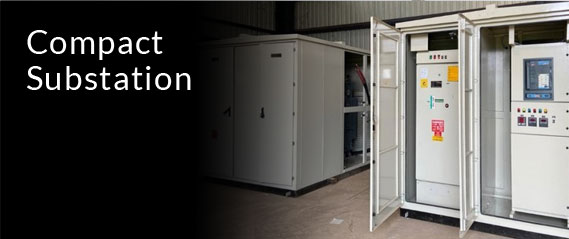
VPI Neutral Grounding and Earthing Transformer

VPI Earthing & Neutral Grounding Transformer

Designed to provide a neutral point for ungrounded electrical systems and limit fault currents during line-to-ground faults. Built with exceptional mechanical short-circuit strength.

Get a Quote

Core Manufacturing Specs & Quality Parameters

Future Procurement Trends & Technology Advancements in VPI Dry Transformers (2025–2035)

Global power distribution networks are undergoing a monumental paradigm shift driven by decarbonization goals, the expansion of AI data center infrastructure, green hydrogen production, and the widespread adoption of renewable energy microgrids. For procurement officers and asset managers, specifying a VPI Dry Transformer today requires evaluating multi-decade technological alignment.

1. AI Hyper-scaler Expansion & High Harmonic Load Tolerance

Modern data centers housing AI GPU clusters present highly dynamic, non-linear load profiles rich in 3rd, 5th, 11th, and 13th order harmonics. Traditional transformers suffer severe eddy current losses and localized overheating under these conditions. The future trend in VPI transformer procurement emphasizes custom-calculated K-Factor ratings (K-9, K-13, K-20) utilizing electrostatic shielding between primary and secondary windings to mitigate common-mode noise and prevent harmonic-induced insulation degradation.

2. Stringent Eco-Design Directives & Total Cost of Ownership (TCO) Optimization

Regulatory authorities worldwide—including the European Union's EcoDesign Directive (Tier 2 requirements) and India's Bureau of Energy Efficiency (BEE) star rating guidelines—are mandating severe reductions in both No-Load (Iron) and Load (Copper) losses. Future procurement strategies prioritize Amorphous Core VPI Transformers and step-lap mitred core geometry using laser-scribed High-Permeability CRGO steel. While initial CAPEX may be 12–15% higher, the reduction in lifetime operational losses delivers a complete Return on Investment (ROI) within 36 to 48 months.

3. Smart VPI Transformers: IoT & Real-Time Fiber-Optic Thermal Monitoring

Industry 4.0 integration has transitioned transformer monitoring from reactive maintenance to AI-driven predictive analytics. Next-generation VPI dry transformers are increasingly specified with embedded fiber-optic temperature sensors (GaAs probes) embedded directly inside the hot-spot zones of the winding layers. Connected via Modbus RS485 or IEC 61850 protocols, these sensors provide real-time thermal telemetry to SCADA systems, preventing thermal runaway and allowing dynamic load boosting during peak tariff periods.

4. Harsh Environment Adaptability for Offshore Wind & Hydrogen Electrolysis

With green hydrogen electrolyzers and offshore wind substations requiring transformers to operate in saline, humid, and chemical-laden environments, the market for C3/C4 anti-corrosive painted VPI enclosures and H-class moisture-proof resin formulations is expanding rapidly. VPI technology inherently resists moisture ingress during extended shutdown periods, making it the preferred choice over CRT for intermittent renewable power plants.

Why Global Procurement Leaders Partner with Urja Techniques (India) Pvt. Ltd.

Selection of a global transformer supplier demands rigorous verification of manufacturing pedigree, quality control infrastructure, and international compliance history. Founded in 1991 in Mumbai, Maharashtra, Urja Techniques (India) Pvt. Ltd. has established itself as an authoritative global manufacturer and exporter of energy-efficient transformers, serving utilities, EPC contractors, and Fortune 500 industrials across 40+ countries.

Urja Techniques Transformer Manufacturing Facility Mumbai

30+ Years of Manufacturing Expertise & Quality Certifications

Our operation is built upon an unwavering commitment to engineering accuracy. Certified under ISO 9001:2015 (Quality Management), ISO 14001:2015 (Environmental Management), and OHSAS 18001 / ISO 45001 (Occupational Health & Safety), every VPI transformer is fabricated under strict quality assurance protocols.

Unrivaled In-House Testing Facility & Type-Test Validation

One of Urja Techniques' paramount operational advantages is our state-of-the-art in-house testing laboratory. Designed in accordance with international standard requirements, our plant is equipped with an in-built temperature rise testing facility—a mandatory type test required by BIS, IEC, and global utilities that many competing manufacturers outsource.

Need Customized Engineering Specifications for Your Project?

Consult with Urja Techniques' senior transformer engineering team for tailored designs, CAD drawings, and technical quotes.

Get a Quote

Frequently Asked Questions (FAQ): Global Procurement & Engineering Intent Mining

Below are detailed, engineer-verified answers to the most frequent technical, commercial, and operational questions asked by global procurement teams and electrical consultants regarding VPI Dry Transformers.

Q1: How does a VPI Dry Transformer differ from a Cast Resin Transformer (CRT) regarding thermal shock resilience and field repairability?

Answer: The primary difference lies in the mechanical structure of the insulation matrix. A Cast Resin Transformer (CRT) encapsulates the coils in a thick, solid block of epoxy resin. While highly rigid, this solid structure is susceptible to micro-cracking under sudden extreme temperature fluctuations (thermal shock) due to differing thermal expansion coefficients between copper/aluminium and solid resin. Furthermore, if a CRT coil fails or cracks, it cannot be repaired on-site; the entire encapsulated coil assembly must be scrapped and replaced.

In contrast, a VPI Dry Transformer uses multiple thin dips of H-Class or C-Class resin impregnated under vacuum and pressure. This creates a flexible, highly durable dielectric coating that easily absorbs thermal expansion and contraction without cracking. If damage occurs due to external system faults, VPI coils can often be unwound, repaired, re-insulated, and re-impregnated on-site or in a local workshop, drastically reducing project downtime and lifecycle maintenance costs.

Q2: What are the key standard testing requirements specified under IEC 60076-11 for VPI Dry Transformers?

Answer: IEC 60076-11 specifies comprehensive Routine, Type, and Special tests for dry-type power transformers:

  • Routine Tests (100% of Units): Winding resistance measurement, voltage ratio & vector group verification, short-circuit impedance & load loss, no-load loss & current, separate-source AC withstand voltage, induced overvoltage withstand, and partial discharge measurement (< 10 pC).
  • Type Tests (Design Validation): Lightning impulse withstand test and Temperature Rise Test (conducted in Urja Techniques' specialized in-house facility).
  • Special Tests: Measurement of acoustic sound level, short-circuit withstand test (validated at ERDA/CPRI), environmental test (E2/E3), climatic test (C1/C2), and fire behaviour test (F1 - self-extinguishing).
Q3: Why are VPI Dry Transformers preferred for data centers, hospitals, and commercial high-rise buildings?

Answer: VPI dry transformers eliminate all liquid coolants, removing the risk of catastrophic oil leaks, soil contamination, and flammable fluid fires. Classified under environmental rating E2/E3 and fire rating F1, VPI transformers are completely self-extinguishing and produce zero halogenated toxic gases or heavy smoke when exposed to external flame sources. This allows them to be installed inside occupied structures, basements, or directly adjacent to critical IT racks and medical equipment without expensive explosion-proof fire vaults or liquid retention pits.

Q4: How do you select the correct K-Factor rating for a VPI transformer operating under non-linear harmonic loads?

Answer: The K-Factor rating quantifies a transformer's capability to handle stray load losses caused by harmonic currents generated by non-linear equipment (VFDs, UPS systems, server power supplies, arc welders). Selecting the proper K-Factor involves analyzing the total harmonic distortion (THD) of the load profile:

  • K-1 / Standard: Linear resistance heating, incandescent lighting, standard AC motors.
  • K-4: Computer terminals, HID lighting, PLCs, induction heaters.
  • K-13: Telecommunication rooms, data center server racks, healthcare imaging facilities (high 3rd harmonic content).
  • K-20 / K-30: Solid-state variable speed drives, multi-pulse rectifiers, industrial arc furnaces.

Urja Techniques custom-engineers K-Factor rated VPI transformers by utilizing double-sized neutral conductors, specialized transposed winding geometries, and electrostatic grounding shields to prevent core saturation and localized winding hot spots.

Q5: What is the expected operational lifespan of a Class H VPI transformer, and how does humidity affect its insulation resistance?

Answer: A properly designed and maintained Class H (180°C thermal rating) VPI Dry Transformer operating within its nominal rating has a design life expectancy exceeding 30 to 35 years. Because Class H materials (such as DuPont NOMEX paper combined with high-grade polyester varnish) operate with a generous thermal margin, running the transformer at standard ambient temperatures significantly extends dielectric life.

Regarding moisture resistance: unlike un-impregnated dry transformers that readily absorb ambient humidity during shutdown periods, the high-pressure VPI process completely seals all hygroscopic cellulose and fiber materials. After long shutdowns in high-humidity environments (up to 95% RH), a VPI transformer typically achieves full Insulation Resistance (IR) values immediately without requiring lengthy pre-drying or heating procedures.

Q6: Can VPI Dry Transformers be installed in outdoor or harsh coastal environments?

Answer: Yes. While the bare core-and-coil assembly (IP00) is intended for indoor electrical rooms, Urja Techniques manufactures custom heavy-duty enclosures rated IP23, IP44, or IP55 for outdoor installations. For severe marine, offshore, or coastal salt-spray conditions, we utilize marine-grade 316L stainless steel or epoxy powder-coated galvanized steel enclosures equipped with closed-loop Air-to-Air Heat Exchangers (C4/C5 marine coating systems) to completely isolate the transformer windings from ambient corrosive atmosphere.

Q7: What short-circuit withstand capabilities do Urja Techniques' VPI transformers possess?

Answer: Our VPI transformers are engineered to withstand severe dynamic and thermal forces associated with external system short circuits in accordance with IEC 60076-5. Mechanical strength is guaranteed by using rigid clamping frames, high-density insulation spacers, and axial compression structures. Our designs have been independently validated through rigorous physical short-circuit type testing at CPRI and ERDA laboratories.

Q8: How does the vacuum pressure impregnation (VPI) process eliminate partial discharge (PD) risks?

Answer: Partial discharge occurs when high voltage stress ionizes tiny microscopic air pockets trapped inside solid insulation, causing localized arcing that gradually eats away the insulation over time. The VPI process eliminates this risk in three steps: (1) Evacuation: The wound core is placed in a sealed pressure vessel and drawn down to a deep vacuum (< 5 mbar) to draw out all trapped air and moisture. (2) Resin Submersion: High-grade solventless varnish is introduced into the tank under vacuum, thoroughly wetting all surfaces. (3) Pressurization: Dry nitrogen pressure (6–8 bar) is applied to force the resin deep into the innermost conductor layers. The result is a monolithic, void-free insulation matrix with partial discharge levels well below international acceptance thresholds (< 10 pC).

Q9: What routine and factory acceptance testing (FAT) protocols are offered to global buyers prior to shipment?

Answer: Urja Techniques welcomes client engineers and third-party inspection (TPI) agencies (such as SGS, BV, TUV, Intertek) to attend Factory Acceptance Testing (FAT) at our Mumbai facility. FAT includes full routine testing according to IEC 60076-11, digital winding resistance verification, turns ratio testing, vector phase check, magnetic balance, full-load loss measurement at reference temperature, high-voltage dielectric withstand, and partial discharge analysis. Remote live-streamed FAT video testing is also available for international procurement teams.

Q10: What is the typical lead time, packaging standard, and export protocol for international orders?

Answer: Standard manufacturing lead times range from 4 to 8 weeks depending on kVA rating, voltage class, and custom enclosure specifications. For export shipment, transformers are protected with heavy-duty vapor barrier foil wrapping, silica gel desiccant packs, shock indicators, and packed inside ISPM-15 compliant heat-treated seaworthy wooden crates suitable for long-distance containerized ocean freight or air freight delivery to any major port globally.

Ready to Specify a VPI Dry Transformer for Your Project?

Connect directly with Urja Techniques' senior engineering team in Mumbai, India. We provide complete technical proposals, single-line diagrams (SLD), GA drawings, loss evaluations, and competitive commercial quotes within 24 business hours.

Get a Quote